

Slim square ceiling lights are widely adopted core lighting fixtures in modern residential interior design, covering mainstream application scenarios such as urban apartments and high-end residential houses. With their slim structural design, minimalist aesthetic characteristics and uniform ambient lighting output, these lights can effectively optimize indoor spatial layering, enhance the overall decorative texture of living environments, and meet the dual needs of residential functional lighting and interior aesthetic layout.
As long-term continuous operating electrical equipment, slim square ceiling lights are susceptible to the accumulation of indoor dust, water vapor, particulate pollutants and other impurities during daily operation. Long-term lack of standardized cleaning and scientific maintenance will lead to a series of problems such as reduced lighting transmittance, decreased luminous efficiency, dim light output, and even aging of internal circuits and loose structural parts, which seriously affect the service performance and service life of the lamps. In addition, improper maintenance operations may also induce potential electrical safety hazards and hidden dangers of equipment failure. Based on the structural characteristics and operational attributes of slim square ceiling lights, this paper systematically sorts out standardized professional cleaning procedures and long-term effective maintenance strategies, aiming to provide scientific and operable technical guidance for the daily maintenance of residential ceiling lighting fixtures.
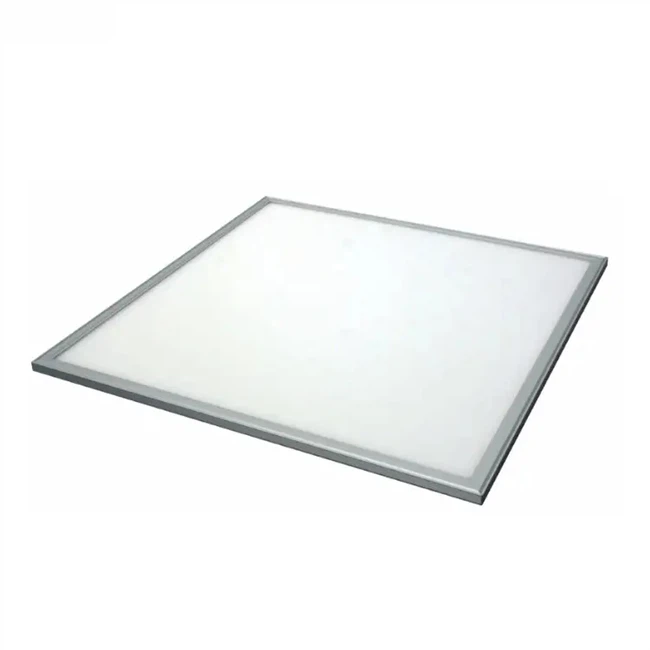
Standardized Cleaning System for Slim Square Ceiling Lights
Pre-Cleaning Safety Preparation Specifications
Safety operation is the primary premise of ceiling light cleaning work. Before carrying out any disassembly and cleaning operations, it is necessary to implement complete power-off protection measures. First, turn off the corresponding lamp control switch, and cut off the total power supply of the lighting circuit at the distribution box to avoid electric shock accidents caused by residual current or accidental circuit conduction. After power off, wait for 10 to 15 minutes to allow the bulb and internal circuit components to fully dissipate heat, so as to prevent high-temperature scalding during disassembly and cleaning, and avoid damage to lamp components caused by sudden contact with cold cleaning agents. It is also necessary to prepare professional cleaning tools in advance, including soft microfiber cloth, soft sponge, neutral soap solution, soft-bristled cleaning brush, dry dust duster and other non-abrasive cleaning supplies, and eliminate all hard tools that may cause scratch damage to the lamp surface.
Disassembly Standard of Lamp Protective Cover
Most slim square ceiling light protective covers adopt invisible snap fixing structure, which is convenient for daily disassembly and maintenance. During disassembly, first manually locate the hidden snap parts around the lamp cover, gently squeeze the symmetric snaps inward with uniform force to make the snap structure loose and separated from the lamp frame. After the fixing force is released, slowly lift the lamp cover downward vertically to avoid violent shaking and pulling, so as to prevent the connecting wire of the internal auxiliary lamp body from breaking and causing circuit damage. The whole operation process should keep stable force to ensure the integrity of the snap structure and avoid snap fracture caused by excessive force.
For some high-stability installed ceiling lights, the protective cover is fixed by embedded screws to improve the overall firmness. For this type of lamp structure, a matched screwdriver should be used to rotate and remove the fixing screws slowly. During the operation, the screw rotation speed should be controlled to avoid sliding wires caused by excessive force, which will lead to the failure of subsequent fixing and installation. After all screws are removed, store the screws in a classified manner to avoid loss. Then slowly take down the lamp cover along the horizontal direction to complete the disassembly operation.
Professional Cleaning Operation of Core Lamp Components
The protective cover is the main light-transmitting component of the ceiling light, and its surface smoothness and light transmittance directly determine the lighting effect. After disassembly, the lamp cover should be cleaned with neutral diluted soap solution and soft sponge. Wipe the inner and outer surfaces of the lamp cover in a circular and gentle manner to remove surface dust, floating dirt and adhered oil stains. It is strictly prohibited to use abrasive materials such as steel wool, hard scouring pads and acidic or alkaline strong corrosive cleaning agents. Such supplies will cause irreversible scratch damage, surface corrosion and fogging on the light-transmitting surface of the lamp cover, resulting in reduced light transmittance and damaged decorative aesthetics. After cleaning, rinse the lamp cover with clean water and wipe it dry with a soft lint-free cloth to avoid water stain residue.
After the lamp cover is disassembled, the bulb components should be gently unscrewed and cleaned independently. The surface of the bulb is mostly made of fragile glass or precision light-transmitting materials, which is easy to be damaged by violent friction. For daily accumulated dust and floating impurities, use a dry soft microfiber cloth for gentle wiping and dust removal. For stubborn water stains, fingerprints and smudges on the bulb surface, use a slightly dampened soft cloth with a small amount of neutral cleaning solution for auxiliary wiping. It is forbidden to rinse the bulb with a large amount of water directly to prevent water from penetrating into the bulb circuit interface, causing short circuit damage and affecting the service life of the light source. After cleaning, place the bulb in a dry and ventilated place to dry completely before reinstallation.
Many slim square ceiling lights are designed with integrated fan functions to realize indoor air circulation while lighting. The fan blades are prone to accumulate dust, flocculent impurities and particulate dirt for a long time, which will affect the fan operation efficiency and cause secondary pollution of indoor air. For fan blade cleaning, prepare a low-concentration neutral soap water solution, wipe the surface of each fan blade one by one with a soft sponge, and remove surface floating dust and adhered dirt. For the tiny gaps and blade edge corners where dirt is easy to accumulate, use a soft-bristled toothbrush for gentle decontamination cleaning to ensure no dead-angle dirt residue. After cleaning, wipe all fan blades dry with a clean dry cloth to prevent residual water from causing blade rust and circuit damp failure.
The ceiling lamp fixture is the fixed bearing structure of the whole lamp body, and long-term dust accumulation will affect the overall aesthetics and structural heat dissipation performance. Dip a soft cloth or sponge in an appropriate amount of neutral soap solution, and gently wipe the surface of the lamp fixture to remove accumulated dust, oil stains and aging floating impurities. For the dead corners, edge gaps and fixed connection parts of the fixture, use a soft-bristled brush for fine cleaning to ensure comprehensive decontamination. After the cleaning operation is completed, wipe the entire fixture repeatedly with a dry clean cloth to ensure that the surface is completely dry without water residue, so as to prevent the metal fixture from rusting and the plastic fixture from aging and deformation due to long-term moisture.
Long-Term Scientific Maintenance Strategies for Slim Square Ceiling Lights
Regular Circuit Safety Inspection
Circuit stability is the core guarantee for the safe operation of ceiling lights. It is necessary to carry out regular quarterly inspection of the lamp internal wiring and external connecting lines. Focus on checking whether there are common aging problems such as loose wiring interfaces, wire core exposure, cord fraying and line oxidation. For loose wiring terminals, re-fix and reinforce them in time to avoid poor contact causing lamp stroboscopic and abnormal power failure. For aged and damaged lines, replace the wires of matching specifications immediately to eliminate potential electrical short circuit and electric leakage hazards.
During the inspection process, it is necessary to check whether the lamp circuit is overloaded and whether the line temperature is abnormal during operation. Ensure that the lamp operating voltage and current match the design parameters, avoid long-term overload operation of the circuit, and effectively prevent electrical failures and fire safety hazards caused by circuit aging and overload.
Timely Light Source Replacement and Optimization
Light bulbs are consumable components of ceiling lights. With the increase of service time, the luminous efficiency of the bulb will gradually decline, showing problems such as dim light, insufficient illumination and frequent stroboscopic, which seriously affect the indoor lighting effect. It is necessary to formulate a regular bulb replacement cycle according to the service life of different light sources. It is recommended to replace aging and failed bulbs in a timely manner to ensure stable and sufficient indoor lighting output. In the selection of replacement bulbs, priority should be given to high-efficiency and energy-saving light source products that match the lamp power and interface specifications. Energy-saving bulbs can not only maintain stable lighting performance, but also effectively reduce long-term residential power consumption and reduce daily operating costs.
Standardized Load-Bearing Use Management
Each slim square ceiling light has a fixed design load-bearing limit and power load standard. In the daily use process, it is forbidden to blindly install high-power bulbs or increase the number of built-in bulbs to avoid electrical overload of the lamp body. At the same time, it is not allowed to hang additional heavy decorative accessories on the lamp fixture, so as to prevent the lamp body from being overloaded and deformed, loose and falling off. Overload use will not only damage the internal circuit structure of the lamp and cause equipment failure, but also easily induce fire accidents and falling safety hazards, which seriously endangers residential safety. Users must strictly abide by the lamp load-bearing and power design standards to ensure standardized and safe use.
Regular Daily Dust Removal Maintenance
Indoor floating dust and particulate impurities will continuously adhere to the surface of the lamp cover, fixture and fan blades during daily use. Long-term unprocessed dust accumulation will reduce the light transmittance of the lamp body, weaken the lighting effect, and affect the heat dissipation efficiency of the lamp body, accelerating the aging speed of internal components. It is formulated that the whole lamp body shall be cleaned and dedusted at least once a week. Use soft dust duster or microfiber dry cloth to gently wipe the surface of the lamp cover, fixture and fan parts to remove surface floating dust. Regular daily dust removal can effectively maintain the luminous performance and appearance aesthetics of the ceiling light, and extend the overall service life of the equipment.
Continuous Dry Environment Maintenance
Moisture is one of the key factors leading to the damage of ceiling light electrical components. Long-term humid environment or local water leakage will cause moisture to invade the lamp interior, resulting in circuit damp, metal parts rust, bulb short circuit and other failures. In daily maintenance, it is necessary to keep the ceiling installation position dry and ventilated at all times. For ceiling water seepage, wall leakage and other problems found in the residence, the waterproof and leakage repair treatment shall be carried out immediately to prevent water vapor from eroding the lamp body. Especially in humid seasons and wet areas, strengthen environmental dehumidification management to ensure that the lamp operating environment is dry, stable and free of moisture hidden dangers.
Conclusion
Slim square ceiling lights are important functional and decorative facilities in modern residential interior space, and their cleaning effect and maintenance quality directly affect indoor lighting quality, residential aesthetic effect and household electrical safety. Scientific and standardized cleaning procedures can effectively remove surface dirt and internal impurities of the lamp body, restore the luminous efficiency and decorative performance of the lamp. Long-term systematic maintenance strategies can eliminate potential safety hazards, delay the aging speed of lamp components, and greatly extend the service life of ceiling lights.
In the daily maintenance process, users must always take safety operation as the premise, strictly implement standardized cleaning operations, and adhere to regular circuit inspection, light source replacement, load management, dust removal and dry maintenance work. Through standardized whole-process maintenance management, the slim square ceiling light can maintain stable and efficient operating performance and long-term aesthetic appearance, so as to continuously provide high-quality ambient lighting for residential space and realize the long-term safe and stable operation of lighting equipment.

How To Cooperate With Us?
We are quite happy that we have total control over the manufacturing process and the calibre of our products because of our own facilities. Since we are producers rather than just brokers, we are dedicated to providing our customers with the best cost. Since we are certain that the price and quality of our products are transparent, we urge customers to assess our samples first. Our commitment to quality and customer satisfaction drives us to continuously provide top-notch goods.
Our address
3rd Floor, 5th Building, Hebei Industrial Park, Hualian Community, Longhua District, Shenzhen, China





