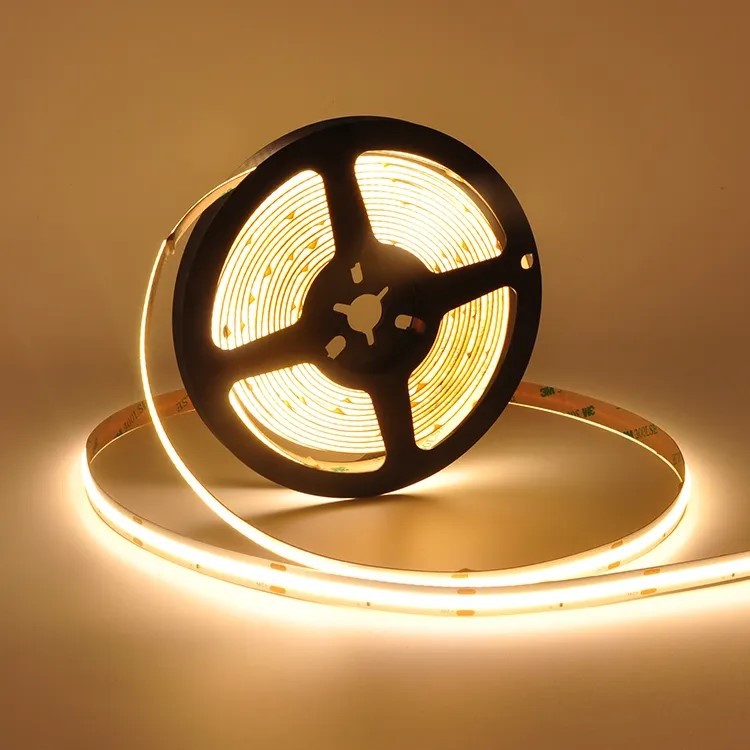
When it comes to LED lighting, why go with just one strip when you can coordinate a whole group of LED strip lights? This topic is especially relevant when trying to create a welcoming environment in a living area or to elaborately decorate an outside area. In addition to increasing the amount of light produced, using many strips guarantees a remarkable consistency throughout your lighting design. Imagine coordinating an LED symphony, where each strip adds to a beautiful and enchanting display. Powering this collective array from a single source, which may seem like a difficult endeavor at first, is the problem. Our goal is to simplify this procedure and provide a systematic approach to a reliable connection that avoids the confusion of over-wiring.
Although the visual effect of integrating several LED strips into a single power source is significant, it goes beyond simple aesthetic improvement. It also involves strategically optimizing your electrical setup. Take into account the benefits: using a single power source greatly decreases clutter, eliminates the need for various power adapters, and creates a more efficient and attractive configuration. This method is especially useful in situations where a minimalist design is preferred or when space economy is essential. Additionally, constant control over the brightness and color of the LEDs is made possible by this unified power method, creating a uniform and dynamic lighting atmosphere. Combining many LED strips into one power source ensures a smooth fusion of light, whether the goal is to add a pop of color, improve job efficiency, or create mood lighting. This harmonious combination of form and function creates a beautiful lighting symphony, fusing functionality with creative expression.
Essential Tools and Materials You'll Need
A detailed explanation of the necessary equipment and supplies is necessary before starting the exciting process of creating DIY LED light strips. The fundamental components of this project are rather practical: connectors to avoid the complexities of soldering, wire strippers for accurate exposure of electrical components, and a soldering iron to create sturdy connections. Furthermore, as voltage meters are essential for keeping an eye on total voltages and power usage and guaranteeing that the system runs within safe bounds, their presence is non-negotiable.
In order to effectively regulate the current and avoid overheating, it is necessary to get a suitable array of wires and cables that have been carefully chosen for their gauge. This factor is crucial for your LED configuration's longevity and safety. Furthermore, electrical tape and heat shrink tubing are essential for their functions in insulating and protecting connections from possible short circuits and environmental dangers.
Elstar - LED Strip Lights Controller
The usage of LED channel tracks and diffusers is strongly advised for enthusiasts who want to take their creations to a more complex and personalized level. These components play a big part in creating a polished, polished look. Additionally, adding a suitable controller or dimmer may take your lighting system to the next level of complexity by enabling you to change the colors and brightness to fit different moods or times of day. Putting these tools and materials together is the first step in turning your brilliant ideas into real, glowing results-a process that combines creativity and accuracy.
How to Connect Multiple LED Strips Step-by-Step
Now that your tools are arranged wisely, let's go on with accuracy and knowledge. To begin with, it is crucial to determine if your LED strips are compatible with the power supply, much like bread and butter. Check the voltage specifications to ensure a smooth fit. Next, start measuring and carefully cutting the LED strips to fit exactly in the space you've set aside. In this phase, accuracy is crucial.
The first step in actually connecting LED strips is to strip the ends and tin them using a soldering iron. Tinting creates an initial link between the solder and your strip, which makes the future connection easier and more efficient.
Should the question come up, "Is it possible to connect LED strips without mastering soldering?" Indeed, LED splitters are a ray of hope for anyone looking for a solderless solution. Simply plug in the strips, connect them to the power supply, and see the smooth integration of these splitters-they are really easy to use. However, soldering is the best option for a connection that embodies strength and dependability since it provides a more robust and long-lasting bond.
After choosing your connection option, connect your LED strips to the power supply. If soldering, take great care to provide a strong and safe connection. If you want to use connectors, it is important to make sure they are firmly attached to avoid any loose connections, which might cause uneven illumination or perhaps harm the LED strips.
There must be a testing phase before the final installation. Turn on your setup and carefully check for flickering or uneven light, since these might indicate weak connections or other hidden problems. After you are certain they will work as best they can, you may go on to the installation stage at the location of your choice. For stable installation, use mounting clips or adhesive backing. Arrange the strips in a way that maximizes lighting effects and hides wiring for a polished, polished appearance.
Finally, think about adding a dimmer or controller to improve control over your lighting arrangement. With the help of this update, you may change the brightness levels, create different effects, and change the colors of RGB strips. With controls ranging from basic dials to sophisticated, smartphone-compatible devices, you may greatly alter your lighting environment to fit a variety of moods or events. Now that your LED strips are shining brightly across your room, enjoy the colorful, customized lighting display you have skillfully produced with only one power source.
How Would You Link Several LED Strips to a Single Power Supply?
LED Splitters
When it comes to LED connection, LED splitters are like little magicians that remove the hassle of connecting many LED lights. With several outputs, these splitters allow separate LED strips to easily come together to form a single lighting ensemble. This method is very helpful for anyone looking for a simple and quick installation procedure. LED splitters make it possible for several strips to receive power from a single source, guaranteeing constant brightness and color consistency. They are ideal for creating large-scale lighting shows or in situations where consistent lighting is crucial. The beauty of LED splitters is in their ability to enhance your lighting design without requiring intricate wiring or extensive electrical expertise. The procedure is simple: use the splitter to connect your strips to the power supply, then be ready to be enthralled by a breathtaking light display.
Try Soldering
Soldering is the best method for those who want unmatched control and personalized customisation for their LED projects. Soldering LED strips becomes a mix of technical skill and artistic expression as you take on the role of an electrical expert. Using your soldering iron, carefully join the strips at the appropriate points to create a strong, long-lasting bond. To ensure a perfect and continuous current flow, the positive terminal of one strip must precisely line up with the negative terminal of the other. For installations that could be physically moved or exposed to different climatic conditions, soldering is the preferable approach since it creates a connection that is noticeably more solid and robust than other techniques. Despite the complexity of this technique, there are significant benefits and a wide range of customization options. The length and arrangement of the strips may be adjusted to harmoniously blend in with your chosen area, enhancing the lighting design's visual appeal and usefulness. Gaining proficiency in soldering may significantly raise the professionalism and longevity of your LED lighting projects, even if it will take some effort and accuracy.
Using Connectors and Adapters
There is no need to be concerned if soldering is above your technical capabilities. Similar to choosing a clip-on tie for its ease of use and convenience, the use of connections and adapters in LED installations provides a clear, effective, and trouble-free method. For those who want to connect LED strips without turning their home into a complex electrical workshop, these parts provide the perfect answer.
These connections come in a number of forms, such as clip-on, screw-tight, and snap-fit, and are made to work with a wide variety of LED strip types and installation needs. Because of their adaptability, they are especially useful for short-term setups or for those whose lighting arrangements may change often. These connections and adapters excel at offering the simplicity of quick changes, hassle-free repairs, and more versatility in LED arrangements-despite losing the long-lasting quality of a soldered connection. They are the go-to choice for beginners or do-it-yourself enthusiasts who want to explore LED lighting without having to deal with the more complex electrical components of the system.