

When it comes to tunnel operation, portable lights play a crucial role in ensuring safe and efficient work. However, using these lights effectively requires some knowledge and preparation. Here are some tips to help you make the most of your portable lights:
Tunnel work presents a unique lighting challenge because natural light is limited, surfaces are often dark or dusty, and the working environment can change quickly as excavation, installation, inspection, or maintenance progresses. Portable lights are valuable because they can be moved to the point of work, adjusted to suit different tasks, and set up without permanent wiring. Yet simply bringing lights into a tunnel is not enough. Effective lighting depends on choosing suitable fixtures, planning their positions, managing power, controlling glare, softening shadows, and keeping equipment clean. Good lighting improves visibility, reduces fatigue, supports accurate work, and lowers the risk of accidents. Poor lighting can create dark zones, excessive glare, confusing shadows, and unnecessary power drain. The tips below explain how to avoid common problems and use portable lights in a more systematic way. They are relevant to contractors, supervisors, maintenance teams, inspectors, and anyone responsible for temporary lighting in tunnels, culverts, underground passages, and similar confined spaces. By treating lighting as part of the work plan rather than an afterthought, teams can improve both safety and productivity.
1. Use the right type of light: There are different types of portable lights available, such as LED, halogen, and incandescent. Each has its own strengths and weaknesses, so choose the one that is best suited for your specific needs. For example, LED lights are energy-efficient and have a long lifespan, making them ideal for long-term tunnel projects.
Choosing the right type of light begins with understanding the task. LED lights are often preferred for tunnel work because they convert power into light efficiently, produce less heat, tolerate vibration well, and last a long time. Halogen lights can produce intense brightness and are sometimes used where strong output is needed, but they consume more power and generate significant heat. Incandescent lights are simple and inexpensive, but they are generally less efficient and less durable for demanding tunnel conditions. Other considerations include beam pattern, color temperature, impact resistance, water and dust protection, and compatibility with available power sources. A narrow beam may be useful for inspecting a specific surface, while a wider beam may be better for general work areas. Cooler light can improve contrast in some settings, while warmer light may feel more comfortable for prolonged use. The best choice is the one that matches the tunnel environment, the duration of the project, the power supply, and the visual needs of the workers. Buyers should also check whether batteries are replaceable, whether spare parts are available, and whether the fixture is rated for the dust and moisture conditions expected underground.
2. Plan your lighting layout: Before starting work, it's important to plan where you will position your portable lights. This will help you ensure that your work area is illuminated evenly, with no dark spots. Consider the position of your work equipment and how it will affect the spread of light.
A lighting layout should be based on the actual work sequence. Mark the main work zones, access routes, escape routes, storage areas, and any equipment that could cast shadows. Decide where general lighting is needed and where task lighting should be concentrated. Avoid placing lights directly behind workers, where they can create shadows on the work surface, and avoid aiming lights directly into the eyes of people moving through the tunnel. If equipment such as scaffolding, machinery, or ventilation ducts is present, check how it blocks or reflects light. In long tunnels, lights may need to be spaced at regular intervals to maintain continuity, while in complex junctions or work faces, additional fixtures may be needed. A simple sketch or walk-through before work starts can reveal dark spots, glare risks, and cable or battery placement issues. The layout should also be reviewed as the work progresses, because a position that works at the start of a shift may become unsuitable after equipment moves or new materials are brought in.
3. Monitor power usage: Portable lights require power to function, so it's important to monitor your power usage to ensure that your lights don't drain the batteries too quickly. If you're using battery-powered lights, carry spare batteries to avoid running out of power at a critical moment.
Power management is especially important in tunnels because access to charging points may be limited and delays can be costly. Before each shift, estimate how long the lights will be needed, how many fixtures will run at the same time, and whether any lights can be dimmed or switched off during breaks. Use efficient LED fixtures where possible, and avoid leaving unnecessary lights running in unoccupied areas. Keep batteries charged according to the manufacturer's instructions, and label spare batteries so that depleted and fully charged units are not confused. In cold conditions, battery performance may drop, so keep spares protected where practical. If generators or temporary power distribution are used, check cables, connectors, and load limits to prevent overloads or tripping hazards. A simple power log can help supervisors track usage and plan replacements. Carrying spare batteries is not just a convenience; it is a safety measure that prevents sudden darkness during critical tasks and reduces the temptation to continue working with inadequate light.
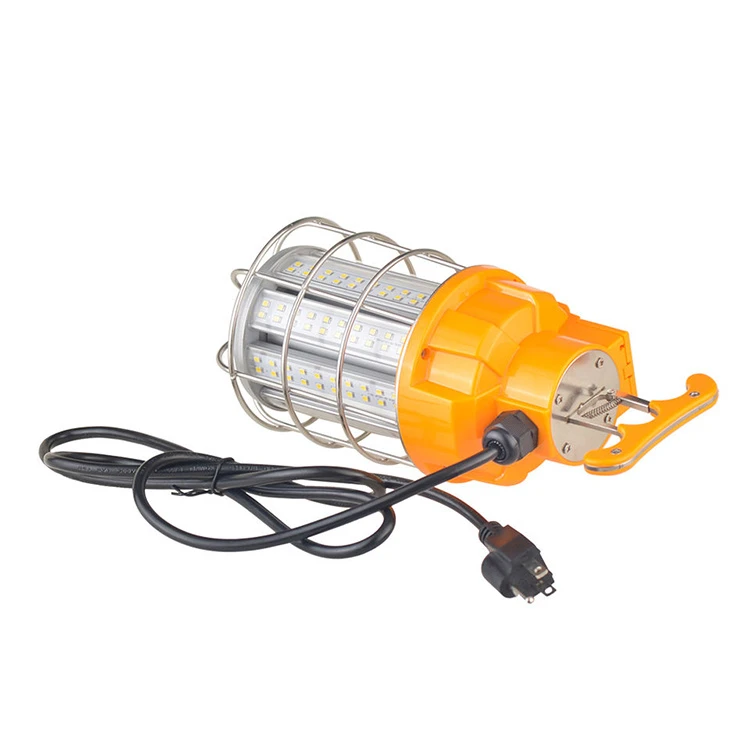
4. Choose the right angle: Position your lights at an angle that provides the right amount of illumination without causing glare or shadows. Experiment with different angles until you find the best one for your specific work area.
Angle affects both visibility and comfort. A light aimed too directly at a shiny surface can create glare that hides details, while a light placed too low or too far to one side can cast long shadows across the work. Adjustable fixtures and tripods make it easier to test different positions. In many cases, a slightly elevated light aimed across the work area provides better coverage than a light pointed straight down. For inspection tasks, oblique lighting can reveal surface defects, cracks, or uneven finishes that are difficult to see under flat lighting. For general work, a combination of wide and narrow beams may be better than a single strong source. Workers should test angles from the positions where they will actually stand, kneel, or operate equipment, because the view from the supervisor's position may not represent the view from the task position. Once a good angle is found, mark or record the setting so that it can be repeated on the next shift.
5. Use light diffusers: Some portable lights come equipped with light diffusers, which can help to spread the light more evenly across your work area. These diffusers can also help to reduce glare and shadows, making it easier for you to see and work.
Diffusers are useful when raw light is too harsh or concentrated. By softening the beam, they reduce the contrast between bright spots and dark areas, which can make surfaces easier to read and reduce eye strain. This is particularly helpful in tunnels where walls, ceilings, and equipment may reflect light in unpredictable ways. Diffusers can also improve safety by reducing glare for people who need to move around the work area. However, they may reduce peak brightness, so users should check whether the resulting light level is still adequate for the task. Some diffusers are built into the fixture, while others are accessories that can be attached or removed. Keeping diffusers clean is just as important as keeping the lamp itself clean, because dust on the diffuser can reduce output and create uneven light. When combined with careful aiming, diffusers can make portable lighting more comfortable and more effective without requiring additional fixtures.
6. Keep your lights clean: Dust and debris can accumulate on portable lights over time, reducing their effectiveness. Regularly clean your lights with a dry cloth to ensure that they remain in top working condition.
Tunnel environments are often dusty, damp, and full of small particles that can settle on lenses, reflectors, and cooling surfaces. A dirty light may appear dim, produce uneven beams, or overheat if ventilation is blocked. Establish a simple cleaning routine at the start or end of each shift, and include lights in general housekeeping checks. Use a dry cloth as recommended, and avoid harsh solvents that could damage lenses or seals. Check for cracked housings, loose connectors, damaged cables, and worn seals, and remove damaged fixtures from service. Store lights in a clean, dry place when not in use, and protect them during transport. Clean equipment not only performs better but also lasts longer and is less likely to fail at an inconvenient moment. Workers should be encouraged to report dirty, damaged, or flickering lights rather than simply tolerating poor visibility.
In addition to these six tips, teams should consider training and communication. Workers need to know how to set up, adjust, charge, clean, and store the lights safely. Supervisors should include lighting in pre-shift briefings and hazard assessments, especially when work conditions change. Emergency lighting and backup options should be planned so that a power failure or battery depletion does not leave the tunnel in complete darkness. Light pollution and glare toward nearby access roads or surface areas should also be considered where relevant. Regular feedback from workers can reveal problems that are not obvious from a checklist, such as reflections from wet surfaces, shadows cast by new equipment, or fatigue caused by flicker. A culture of reporting and adjusting lighting conditions helps turn good equipment into a reliable system.
By following these tips, you can make sure that your portable lights are used effectively to keep your tunnel operation running smoothly and safely. Remember to choose the right type of light, plan your lighting layout, monitor power usage, choose the right angle, use light diffusers, and keep your lights clean, and you'll be well on your way to success.
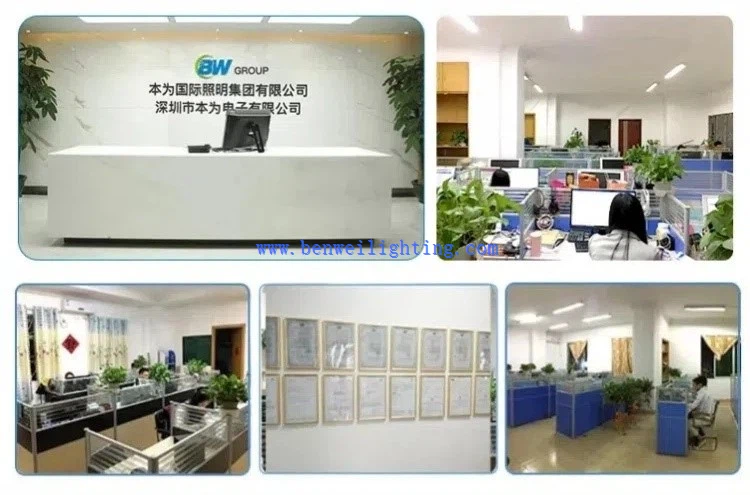
How To Cooperate With Us?
Since we have our own facilities, we are pleased to have complete control over the production process and the quality of our goods. We are committed to giving our clients the finest prices since we are manufacturers rather than just brokers. We encourage buyers to see our samples first since we are certain that the cost and calibre of our items are transparent. Our dedication to excellence and client happiness motivates us to consistently provide superior products.
Our address
3rd Floor, 5th Building, Hebei Industrial Park, Hualian Community, Longhua District, Shenzhen, China





