

Warehouse productivity is a crucial aspect for any business that relies on efficient management and distribution of goods. One of the key ways to optimize productivity in the warehouse is by implementing high bay lighting solutions. With the correct illumination, warehouse workers can enhance their performance, reduce errors, and improve overall safety. In this article, we will delve into ways to improve warehouse productivity through high bay lighting optimizations.
1. Choose the Right Lighting Solutions
First, it is essential to select the right lighting solutions for your warehouse. High bay lighting fixtures are the most common and efficient type of lighting solutions for large areas, such as warehouses. These fixtures provide intense lighting and are mounted at higher heights to effectively illuminate the entire warehouse.
LED lighting has become the preferred option for warehouses due to its energy efficiency and long lifespan, which can last up to 50,000 hours. It produces a consistent and bright output, enabling workers to spot goods and navigate the warehouse with ease. LED lighting also emits low heat, reducing the need for air conditioning and other cooling options.
2. Proper Placement and Layout
Lighting placement and layout play a key role in optimizing warehouse productivity. It is crucial to place lighting fixtures in the right locations to eliminate dark spots, shadows, and glare that can hinder visibility. Lighting fixtures must also be placed in areas that are susceptible to high traffic, such as loading docks and aisles.
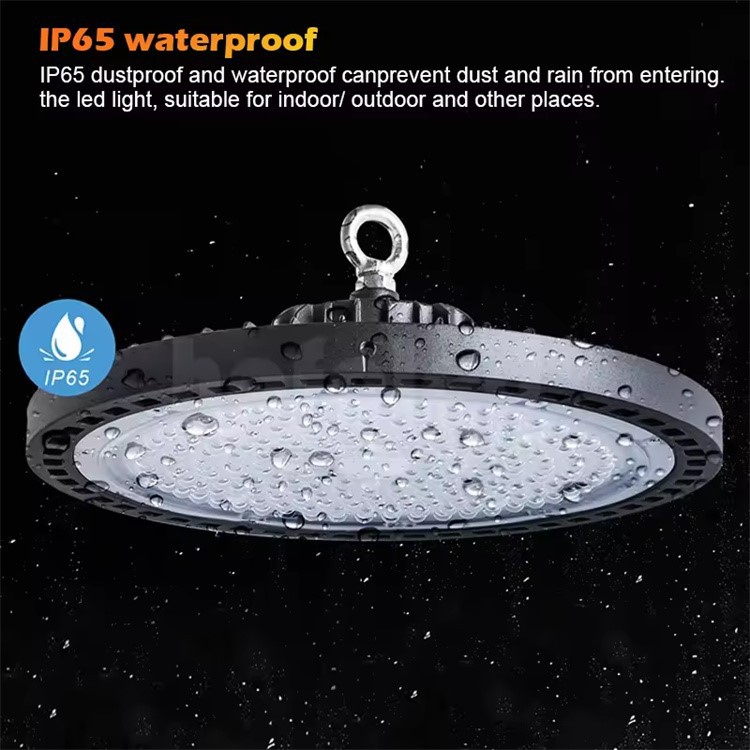
https://www.benweilighting.com/professional-lighting/warehouse-high-bay-lamp.html
In addition, the layout of the warehouse should take lighting into consideration. With proper positioning and fixtures, workers can easily spot the location of goods they need to pick up, reducing the amount of time it takes to locate and retrieve products.
3. Adjustable Lighting Levels
Warehouse lighting should offer different brightness levels to match different tasks and time of day. For instance, during the day, natural light from windows may provide sufficient lighting to minimize the need for artificial light. However, during the night, artificial light sources need to work together to ensure adequate illumination.
Having adjustable lighting levels also help to reduce energy consumption. Smart lighting control systems can automatically adjust the lighting conditions to match the required levels, making it ideal for warehouses that have multiple shifts.
4. Maintenance and Repair
Proper maintenance and repair of lighting systems also contribute significantly to high warehouse productivity. A well-maintained lighting system ensures that sufficient illumination is available throughout the warehouse. Regular cleaning of lighting fixtures, replacement of faulty components, and upgrading to newer lighting technologies are some of the maintenance practices that help to enhance the quality of illumination.
In conclusion, optimizing high bay lighting is a great way to improve warehouse productivity. By selecting the right lighting solutions, properly placing fixtures, having adjustable light levels, and ensuring proper maintenance and repair, warehouse workers can perform their duties efficiently and safely. A well-illuminated warehouse enables workers to easily locate goods, read labels accurately, and avoid injuries caused by poor visibility. With these optimizations in place, businesses can improve productivity, reduce operating costs, and create a safer work environment.





