

How to Install Recessed Lights in a Drop Ceiling
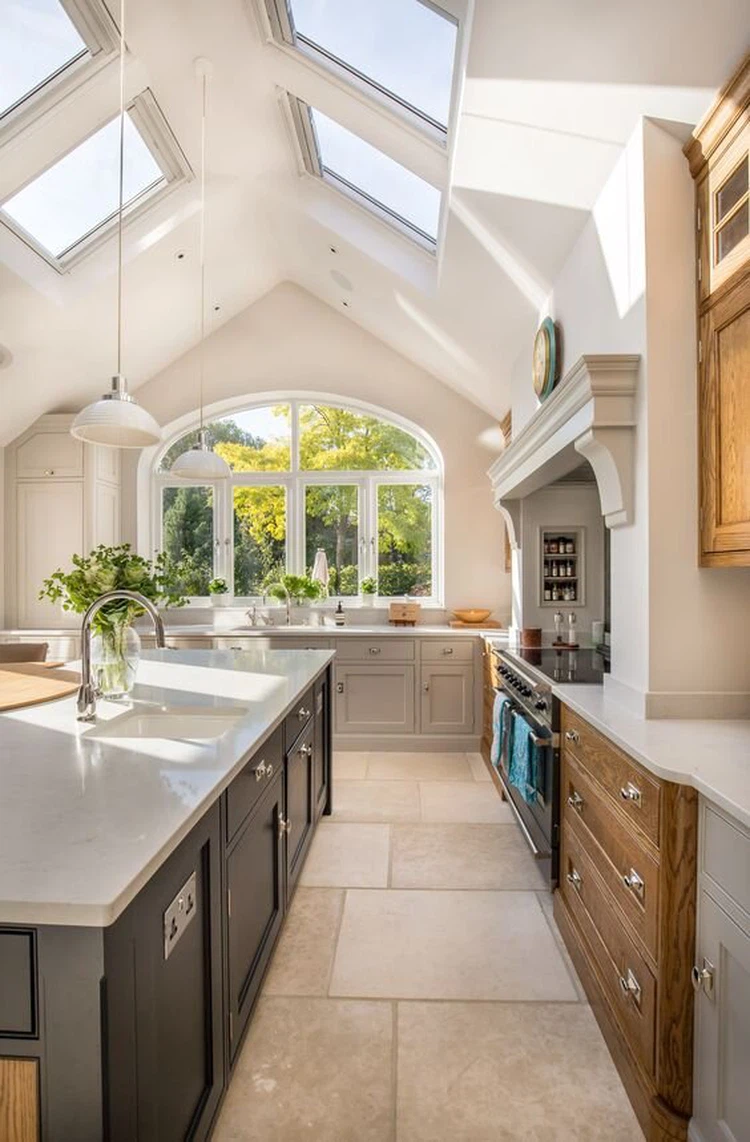
Offices, cellars, theaters, and classrooms frequently have drop ceilings. It is constructed from "tiles" or "panels" that are suspended below the structural ceiling and a metal grid. It may also be referred to as a secondary ceiling, suspended ceiling, T-bar ceiling, or false ceiling, and it usually hides air vents or pipelines to give an incomplete space a neat appearance. Recessed can lights, a stylish choice for illuminating an area without reducing headroom, are frequently found in these ceilings.
Whether you're constructing a brand-new drop ceiling with recessed cans or simply adding them to an existing ceiling, your assembly will need to take into account a few unique electrical and structural requirements.
To add concealed lighting to your drop ceiling, take the following actions:
1. Select the proper lighting.
When selecting recessed lights for your roof, heat should be your primary worry. A lamp that produces too much heat, particularly near aluminum or surfaces made of plastic, can pose a fire risk. In general, LED recessed light bulbs are the best choice because they operate colder than other light sources. Additionally, look for lamps with movable mounting limbs or sturdy clips that can be fastened to the bars or cables that support the ceiling. For installation into drop ceilings, some canless LED lights have distinct mounting plates that can be bought individually.
2. Arrange your lighting.
Create a size drawing of your space on graph paper to help you decide where each light should go. The distance between them should be determined by the height of your roof, any additional focus points, and how bright you want the ambient light in the area to be.
3. Create supports.
The weight of recessed lamps cannot be supported by drop ceilings by themselves. Also, the drop ceiling will change as your building rests and moves. Install additional wire supports over the tile, one for each of the tile's four corners, to aid in holding the lights. It will also work to use support rods or blocks with a separate frame that sits on the ceiling grid. Make sure the lamp can be mounted level with the tile's face. For canless LED downlight fixtures, T-grid mounting pieces are offered to assist hold the weight.
4. Make a cavity.
Trace the shape of the recessed light on each tile of the ceiling where it will be installed. Place the light exactly in the middle of the floor, and make sure the opening is sized in accordance with the fitting guidelines for your light. Use a keyhole saw or multipurpose knife to make the first opening. Clean up any stray debris, then place the plate back into its hole. Don't fret if you accidentally make an opening that is too big; expanded goof ring trims are available to cover up any cuts that you made to the ceiling.
5. Place the lighting.
Next to the section you just sliced, remove one more. Over the cut panel, position the lamp and fasten it to the supports. Ensure that it is placed over the opening.
6. Connect the lighting.
It's best to employ a plumber if you don't know how to connect your lamps for electricity. Most local governments demand that a licensed expert attach the lights to your home's primary electrical box and check the connection. If you are not prepared for it, doing this can be extremely hazardous.
Conclusion
If required, put the light bulbs in the cans before attaching the trim band to the housing. Finally, turn on the lights.
For more information, visit the benweilighting page





