

It is advisable to set up the brooder at least 24 hours before the arrival of the new chicks since it is crucial that they keep warm without overheating. Your chicks will be in a healthy environment if you choose the appropriate heat lamp and adjust the temperature correctly.
How to Choose a Heat Lamp
You're best off using a heat lamp, especially one that delivers 250-watt infrared heat, to keep the chicks comfortable. Ordinary incandescent bulbs, electric heat pads, and hot-water radiators are not advised since they do not consistently deliver heat at an ideal temperature and run the danger of overheating your chicks, even if screw-in ceramic heaters are similarly helpful in this regard.
If at all possible, invest in a red-tinted bulb rather of a clear or white one since red light is less stressful for chicks than white light, and chicks exposed to light/dark cycles sleep better, are calmer, and are less inclined to pick at their feathers. To ensure that the chicks would still have heat if one of the lights goes out in the middle of the night, some owners choose to use two lamps with lower wattages rather than one high-wattage lamp.
Installing the Lamp
Install the bulb in a ceramic socket and adjustable clamp on a metal reflector before mounting the lamp off the ground so that it faces down into the enclosure. For optimal results, light the lamp on one end of the pen so the chicks may go from the chilly end to the hot end to adjust their body temperatures. Make sure the light can't fall or come in contact with anything combustible.
Maintaining Chick Comfort
You can precisely control the temperature in your brooder box by moving the bulb up and down. About a day before introducing your chicks, start the light. To assess the appropriate heat lamp location, use a non-breakable thermometer at chick height. Depending on the age of the chicks, the temperature (and location of the heat lamp) changes.
Keep an eye on your chicks' behavior before increasing the temperature. Chicks that are comfortable will disperse more or less equally across the brooding space. Typically, cold chicks cluster beneath the bulb while cheeping loudly. Chicks that are overheated often stand apart from one another, far from the light, panting and opening their beaks. Until the chicks are at ease, raise or lower the bulb as necessary.
Your ability to determine the chicks' preferred temperature will also depend on how you observe their legs. Chilly chicks' legs feel cold to the touch and have an inflated appearance. Overheated chicks' legs may seem dry, lanky, and dehydrated.


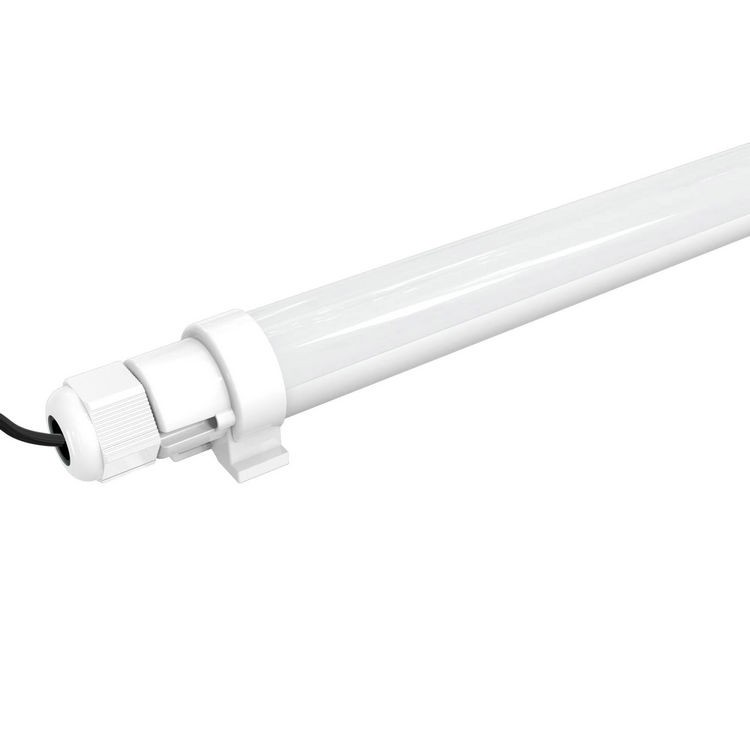

Benwei chicken coop lighting for egg production
|
Power |
Dimension(MM) |
LED Quantity(PCS) |
|
9W |
600*26mm |
Epistar 2835/48PCS |
|
13W |
900*26mm |
Epistar 2835/72PCS |
|
18W |
1200*26mm |
Epistar 2835/96PCS |
|
24W |
1500*26mm |
Epistar 2835/120PCS |
|
36W |
2400*26mm |
Epistar 2835/384PCS |





