How to Make the Coop Lighter
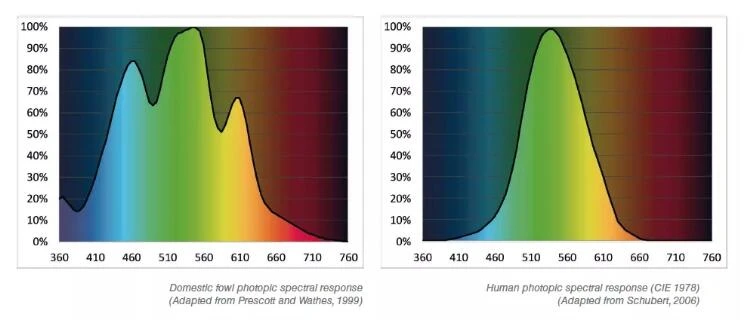
One simple way to do this is to install a light bulb in the coop.
Unless you have an extremely big coop, a sixty-watt bulb should offer enough light. The hens should be able to see their way to the feeder using the light that is provided. Adding light has the additional benefit of slightly heating the coop.
The majority of people use standard incandescent or fluorescent home light bulbs. Whatever you decide, stick with it. Avoid changing the lights; doing so might disturb and confuse the already stressed-out birds.
The energy efficiency of fluorescent light bulbs is higher. They also provide a whiter, cleaner light. Although they are more costly than incandescent lights, they will reduce your electricity costs.
Lighting advice for chick brooder lights: avoid using "industrial duty" or "break loose" bulbs. They have a Teflon-like coating that releases toxic gases when heated.
The morning should be mentioned as "daylight" hours. When the light goes out if you add them in the evening, the birds will be lost and bewildered. Keep the nighttime lighting as natural-looking as you can.
Be careful while fastening the light. It must be situated somewhere where birds cannot unintentionally knock it over and start a fire. It should ideally be covered with some kind of security, such a wire cage.
Unless you really want to wake up extremely early every morning, you will need a timer to be consistent with the adding of the daylight hours! To provide them with the necessary quantity of light in December in New York State, this would entail rising at roughly 2 a.m.
To maintain a consistent fourteen hours throughout the winter, you will need to change the timer once a week.
Regularly make sure the lightbulb is functioning. The birds may go through another molt if they go a few days without the extra light.
Make sure your coop has enough room for your women if you chose to add light to it.
Numerous antisocial habits, like plucking feathers, might result from cramped living conditions. You may let the chickens out into a safe run that is also lit by a low light if you are devoted enough to open the coop when the morning light comes on.
You may also utilize an automatic door if you don't feel like getting up that early.
The run has to be safe.
Predators are most active in the period between dark and morning.
Make sure your ladies have access to oyster shell and a high-quality diet if you want them to continue bearing babies throughout the winter. For your flock to be in the greatest possible health, proper diet is crucial.
Blueberries, apples (without the seeds), and greens (such as collards, chard, and kale) may all be included to the diet. Don't forget to take your vitamin and mineral supplements as well.
It is important to note that in order to sustain egg production, major industrial poultry businesses keep the lights on constantly.
Due of the chickens' weariness, they typically replace them after eighteen months.