

An essential component of interior design, interior lighting shapes a room's perceived spatial dimensions, ambience, and aesthetic appeal in addition to its utilitarian uses. Wall wash lights stand out among the wide variety of lighting fixtures available as specialised solutions made to improve the visual character of wall surfaces. They turn plain walls into focal areas that provide interior spaces depth, texture, and warmth. Wall wash lights are designed to provide a wide, consistent beam of light that "washes" the whole wall surface, emphasising its distinctive details and improving the overall appearance of a room, in contrast to traditional lighting fixtures that prioritise general illumination or focused spotlighting.
Recent developments in lighting technology, especially the broad use of LED (Light-Emitting Diode) technology, have increased the functionality and availability of wall wash lights, making them a popular alternative for homeowners, architects, and interior designers alike. Wall wash lights have a wide range of uses that satisfy different design requirements and aesthetic preferences, from contemporary minimalist residences to classic interiors, commercial workplaces to hospitality areas. This thorough review attempts to provide a methodical, expert investigation of wall wash lights, including its description, working principles, main advantages, varieties, and useful considerations. This article aims to provide readers the information they need to comprehend, choose, and use wall wash lights efficiently in order to fully realise their potential to alter interior environments.

Definition and Core Characteristics of Wall Wash Lights
Determining the fundamental characteristics of wall wash lights and how they differ from other lighting fixtures is crucial to understanding their function and worth in interior design. With the main objective of improving the wall's aesthetic appeal by emphasising its texture, colour, and architectural characteristics, wall wash lights are specialised lighting systems made to throw a broad, diffused, and homogeneous beam of light over a wall surface. Wall wash lights provide even coverage while highlighting the distinctive features of the wall, in contrast to spotlights, which focus light on a small, specific area to create focal points, or ambient lights, which provide general, all-encompassing illumination.
Key Distinctions from Other Lighting Fixtures
The unique design and functionality of wall wash lights set them apart from other common lighting fixtures, making them irreplaceable in certain design scenarios. Understanding these distinctions is critical for selecting the right lighting solution for a given space.
Spotlights are designed to emit a narrow, focused beam of light (typically with a beam angle of 10–30 degrees) that concentrates on a specific object or area, such as a piece of artwork, a decorative accent, or a architectural detail. In contrast, wall wash lights produce a broad, diffused beam (beam angle of 60–120 degrees) that covers a large portion of the wall surface, creating a uniform glow without harsh shadows or concentrated hotspots. While spotlights are ideal for drawing attention to specific focal points, wall wash lights are designed to enhance the entire wall, creating a cohesive, immersive visual experience.
Ambient lighting-also known as general lighting-is designed to provide uniform illumination throughout a room, ensuring basic visibility and creating a comfortable overall atmosphere. Examples of ambient lighting include ceiling-mounted fixtures, chandeliers, and recessed can lights. Unlike ambient lighting, which is directed outward to illuminate the entire room, wall wash lights are specifically targeted at wall surfaces, using the wall as a reflective medium to enhance the space's depth and ambiance. While ambient lighting is essential for functionality, wall wash lights add a layer of aesthetic enhancement that elevates the room's design.
Core Design Features of Wall Wash Lights
Wall wash lights are engineered with specific design features that enable them to deliver their signature uniform, diffused illumination. These features are tailored to ensure optimal light distribution, minimize glare, and highlight the wall's texture and color:
1. Beam Angle: As mentioned, wall wash lights typically have a wide beam angle (60–120 degrees), which allows the light to spread evenly across the wall surface. This wide beam ensures that no area of the wall is left in shadow, creating a consistent wash of light.
2. Diffuser Technology: Most wall wash lights are equipped with a diffuser (usually made of frosted glass, PC, or acrylic) that softens the light and eliminates harsh glare. The diffuser scatters the light rays, ensuring a smooth, even distribution that enhances the wall's texture without creating hotspots.
3. Mounting Positioning: Wall wash lights are typically mounted at a distance from the wall (10–30 cm) and at a slight angle (15–30 degrees) to the wall surface. This positioning allows the light to spread evenly across the wall, minimizing shadows and ensuring that the entire surface is illuminated uniformly.
4. Light Source: Modern wall wash lights primarily use LED bulbs, which offer superior energy efficiency, long lifespan, and adjustable color temperature. LED technology also allows for precise control over light intensity and beam width, making it ideal for wall washing applications.
Operational Mechanisms of Wall Wash Lights
Wall wash lights' well-designed operating mechanisms enable them to provide consistent, superior lighting. To guarantee that light is projected onto the wall in a regulated, uniform way, these processes include the interplay of the light source, optics, and mounting design. To maximise wall wash lights' effectiveness and provide the intended visual impression, it is crucial to understand how they operate.
Light Source and Optics
The light source and optical components of wall wash lights are the foundation of their operational performance. The choice of light source and the design of the optics directly impact the quality, intensity, and distribution of the light beam.
While traditional wall wash lights may have used halogen or incandescent bulbs, modern wall wash lights almost exclusively use LED technology due to its numerous advantages. LED bulbs offer:
(1) Energy Efficiency: LED bulbs consume 70–80% less energy than incandescent bulbs and 30–50% less than halogen bulbs, reducing energy costs and environmental impact.
(2) Long Lifespan: LED bulbs have a lifespan of 50,000+ hours, significantly longer than traditional bulbs, reducing maintenance and replacement costs.
(3) Adjustable Color Temperature: LED wall wash lights are available in a range of color temperatures (2700K–6500K), allowing users to customize the ambiance of the space-warm white (2700K–3000K) for a cozy, inviting atmosphere, neutral white (4000K–5000K) for a bright, clean look, and cool white (5500K–6500K) for a modern, crisp aesthetic.
(4) Dimmability: Many LED wall wash lights are dimmable, allowing for precise control over light intensity and ambiance.
The optical design of wall wash lights is critical for achieving uniform light distribution across the wall. Key optical components include:
1. Reflectors: Some wall wash lights feature built-in reflectors (typically made of aluminum or polished metal) that redirect light rays toward the wall, ensuring that the beam is focused and evenly distributed. Reflectors help minimize light loss and enhance the efficiency of the fixture.
2. Lenses: Frosted or diffused lenses are used to scatter light rays, eliminating harsh glare and creating a soft, even glow. The lens material and design are carefully selected to ensure that the light is diffused uniformly, without creating hotspots or shadows.
3. Beam Shaping Technology: Advanced wall wash lights may incorporate beam shaping technology (such as honeycomb grids or louvers) to control the direction and spread of the light beam. This technology helps prevent light from spilling onto adjacent surfaces (such as ceilings or floors) and ensures that the light is focused solely on the wall.
Mounting and Positioning Principles
The mounting and positioning of wall wash lights play a crucial role in their operational effectiveness. Proper positioning ensures that the light beam is distributed evenly across the wall, highlighting its texture and color without creating shadows or hotspots.
The optimal distance between the wall wash light and the wall depends on the beam angle of the fixture and the height of the wall. As a general rule, wall wash lights should be mounted 10–30 cm away from the wall. For fixtures with a wider beam angle (100–120 degrees), a shorter distance (10–15 cm) is sufficient to cover the wall evenly. For fixtures with a narrower beam angle (60–80 degrees), a longer distance (20–30 cm) is needed to ensure full coverage. Mounting the light too close to the wall can result in uneven illumination, with the top and bottom of the wall appearing darker than the middle. Mounting it too far away can cause light to spill onto adjacent surfaces, reducing the focus on the wall.
Wall wash lights are typically mounted at a height of 2.5–3.5 meters above the floor, depending on the height of the wall. For standard ceiling heights (2.7–3 meters), mounting the light near the ceiling (2.5–3 meters) is ideal. For higher ceilings (3+ meters), the light may need to be mounted lower to ensure that the entire wall is illuminated. The fixture should also be angled slightly toward the wall (15–30 degrees) to ensure that the light beam is directed onto the wall surface. This angle helps minimize glare and ensures that the light is distributed evenly from the top to the bottom of the wall.
Core Benefits of Wall Wash Lights in Interior Design
Wall wash lights offer a range of benefits that make them a valuable addition to any interior design project. These benefits span aesthetic, functional, and practical considerations, making wall wash lights a versatile and cost-effective lighting solution for both residential and commercial spaces.
Core Benefits of Wall Wash Lights in Interior Design
Wall wash lights offer a range of benefits that make them a valuable addition to any interior design project. These benefits span aesthetic, functional, and practical considerations, making wall wash lights a versatile and cost-effective lighting solution for both residential and commercial spaces.
Aesthetic Benefits: Enhancing Depth, Texture, and Visual Appeal
The primary aesthetic benefit of wall wash lights is their ability to transform the visual character of a wall, adding depth, texture, and warmth to the space. These effects are achieved through the uniform, diffused illumination that highlights the wall's unique features.
Wall wash lights create the illusion of depth by illuminating the entire wall surface, making it appear larger and more dimensional. This is particularly beneficial for small or narrow rooms, where wall wash lights can make the space feel more open and spacious. By highlighting the wall's edges and texture, wall wash lights create a visual contrast that adds depth to the room, making it feel more immersive and inviting.
Walls with texture-such as brick, stone, wood paneling, or textured paint-benefit significantly from wall wash lights. The uniform, diffused light emphasizes the subtle variations in the wall's surface, bringing out its unique character and detail. For example, a brick wall illuminated by a wall wash light will have its individual bricks and mortar lines highlighted, creating a warm, rustic aesthetic. Similarly, a textured paint wall will have its depth and dimension accentuated, adding visual interest to the space.
Wall wash lights enhance the vibrancy and richness of wall colors by providing even, consistent illumination. Unlike uneven lighting, which can make colors appear dull or faded, wall wash lights ensure that the entire wall is lit uniformly, allowing the true color of the paint or wallpaper to shine through. This is particularly important for accent walls, where the color is intended to be a focal point of the room.
Functional Benefits: Ambiance, Safety, and Energy Efficiency
Beyond their aesthetic appeal, wall wash lights offer several functional benefits that improve the usability and comfort of a space.
Wall wash lights are highly versatile in terms of ambiance control. With adjustable color temperature and dimmability, users can customize the mood of the space to suit different activities and occasions. For example, warm white light (2700K–3000K) can create a cozy, relaxing atmosphere for living rooms or bedrooms, while cool white light (5500K–6500K) can provide a bright, focused environment for home offices or commercial spaces. Dimmable wall wash lights allow for further customization, enabling users to adjust the light intensity to match their mood or activity.
While wall wash lights are primarily aesthetic, they also contribute to the safety and visibility of a space. By illuminating the entire wall surface, they eliminate dark corners and shadows, reducing the risk of trips, falls, and accidents. This is particularly beneficial in hallways, stairwells, and other high-traffic areas where visibility is critical. Additionally, wall wash lights can enhance the visibility of emergency exits and safety signs, further improving the safety of the space.
As mentioned earlier, modern wall wash lights use LED technology, which is highly energy-efficient. LED wall wash lights consume significantly less energy than traditional lighting fixtures, reducing electricity bills and environmental impact. Their long lifespan (50,000+ hours) also reduces maintenance and replacement costs, making them a cost-effective lighting solution in the long run. For commercial spaces, the energy savings and reduced maintenance costs can be particularly significant, as these spaces often require continuous lighting.
Practical Benefits: Versatility and Ease of Installation
Wall wash lights are designed to be practical and easy to integrate into any interior design, making them accessible to homeowners and designers alike.
Wall wash lights are available in a wide range of styles, designs, and sizes, making them suitable for any interior design style-from modern minimalist to traditional, industrial to bohemian. They can be used in residential spaces (living rooms, bedrooms, hallways, kitchens) and commercial spaces (offices, hotels, restaurants, retail stores), making them a versatile lighting solution. Additionally, wall wash lights can be used with any type of wall surface, including painted walls, wallpaper, brick, stone, and wood paneling.
Most wall wash lights are designed for easy installation, with simple mounting mechanisms that require minimal tools and expertise. Surface-mounted and adjustable wall wash lights can be installed in minutes, while recessed wall wash lights may require professional installation (though many are designed for easy retrofitting). Wall wash lights can also be integrated into existing lighting systems, making them a convenient addition to any space. Additionally, many modern wall wash lights are wireless or battery-powered, eliminating the need for wiring and making installation even easier.
Types of Wall Wash Lights: Characteristics and Applications
Wall wash lights are available in several distinct types, each with its own unique design, features, and applications. The choice of type depends on the specific needs of the space, including the wall surface, design style, and desired aesthetic effect. Understanding the characteristics of each type is essential for selecting the right wall wash light for a given project.
Recessed Wall Wash Lights
Recessed wall wash lights-also known as in-wall wash lights-are installed inside the wall, with only the light lens visible. This design creates a sleek, discreet look that blends seamlessly with the surrounding wall surface, making them ideal for spaces where a minimalist, unobtrusive lighting solution is desired.
Recessed wall wash lights are installed by cutting a hole in the wall and mounting the fixture inside the wall cavity. The fixture is typically secured with mounting brackets, and the lens is flush with the wall surface. Recessed wall wash lights are available in round or square designs, with a range of lens sizes to suit different wall sizes and lighting needs. They are often equipped with adjustable bezels or trims, allowing for minor adjustments to the beam angle.
Recessed wall wash lights are ideal for modern, minimalist interiors, where a clean, uncluttered look is desired. They are commonly used in living rooms, bedrooms, hallways, and commercial spaces (such as hotels and offices) to provide subtle, uniform illumination without drawing attention to the fixture itself. Recessed wall wash lights are also suitable for walls with limited space for surface-mounted fixtures, such as narrow hallways or walls with built-in furniture.
Surface-Mounted Wall Wash Lights
Surface-mounted wall wash lights are installed directly on the wall's surface, making them a visible design element. Unlike recessed wall wash lights, surface-mounted fixtures are not hidden within the wall, allowing them to add a decorative touch to the space while providing illumination.
Surface-mounted wall wash lights come in a wide range of designs, from sleek, modern rectangles to decorative, traditional styles. They are typically mounted using screws or adhesive, and many feature adjustable arms or heads that allow for precise control over the beam angle. Surface-mounted fixtures are available in various materials, including metal, plastic, and glass, making it easy to match them to the room's decor.
Surface-mounted wall wash lights are ideal for spaces where a decorative lighting element is desired. They are commonly used in living rooms, bedrooms, entryways, and commercial spaces (such as restaurants and retail stores) to add style and character to the wall. Surface-mounted fixtures are also a good choice for renters or homeowners who cannot install recessed lighting (due to structural limitations or rental agreements), as they can be easily removed without damaging the wall.
Linear Wall Wash Lights
Linear wall wash lights are long, narrow fixtures that project a wide, uniform beam of light along the length of a wall. They are designed to create a continuous, seamless wash of light, making them ideal for large walls or spaces that require consistent illumination.
Linear wall wash lights are typically available in lengths ranging from 30 cm to 2 meters, with a slim, low-profile design that minimizes their visual impact. They are often equipped with LED strips or arrays that deliver uniform illumination along the entire length of the fixture. Linear wall wash lights can be surface-mounted or recessed, and many are dimmable and adjustable in color temperature.
Linear wall wash lights are ideal for large walls, such as accent walls in living rooms, conference rooms, or hotel lobbies. They are also suitable for hallways, stairwells, and commercial spaces where a continuous, uniform wash of light is needed. Linear wall wash lights can be used to highlight long architectural features, such as moldings, columns, or wall panels, creating a dramatic, cohesive look.
Adjustable Wall Wash Lights
Adjustable wall wash lights are designed with movable heads or arms that allow users to adjust the angle and direction of the light beam. This flexibility makes them ideal for spaces where the lighting needs may change or where precise control over the light distribution is required.
Adjustable wall wash lights feature a swivel or pivot mechanism that allows the light head to be angled up, down, left, or right. Some models also allow for rotation of the light head, providing 360-degree control over the beam direction. Adjustable fixtures are available in surface-mounted, recessed, and linear designs, making them versatile for a range of applications.
Adjustable wall wash lights are ideal for spaces where the wall has multiple focal points or where the lighting needs may change. For example, in a living room with a mix of artwork and textured walls, adjustable wall wash lights can be angled to highlight both the artwork and the wall texture. They are also suitable for commercial spaces, such as retail stores, where products or displays may be rearranged regularly. Additionally, adjustable wall wash lights are a good choice for rooms with irregularly shaped walls or unique architectural features that require targeted illumination.
Practical Considerations for Selecting and Using Wall Wash Lights
While wall wash lights offer numerous benefits, selecting and using them effectively requires careful consideration of several practical factors. These factors include the size and layout of the space, the wall surface type, the desired aesthetic effect, and the budget. By taking these factors into account, users can ensure that they select the right wall wash lights and optimize their performance.
Assessing Space and Wall Characteristics
Before selecting wall wash lights, it is important to assess the size and layout of the space, as well as the characteristics of the wall surface. The height and width of the wall will determine the number and size of wall wash lights needed. For example, a large wall (3+ meters wide) may require multiple linear wall wash lights or several surface-mounted fixtures to ensure uniform coverage. The texture and color of the wall will also influence the choice of light source and beam angle-textured walls may require a wider beam angle to highlight their details, while dark-colored walls may require a brighter light to enhance their color.
Matching to Interior Design Style
Wall wash lights should be selected to complement the interior design style of the space. For modern, minimalist spaces, sleek, recessed or linear wall wash lights in neutral colors (black, white, or metallic) are ideal. For traditional or rustic spaces, surface-mounted fixtures with decorative details (such as wood or brass) may be more appropriate. The color of the fixture should also match or complement the wall color and other design elements in the room to ensure a cohesive look.
Budget and Maintenance Considerations
The budget is an important consideration when selecting wall wash lights. LED wall wash lights are typically more expensive upfront than traditional bulbs, but they offer long-term cost savings due to their energy efficiency and long lifespan. It is also important to consider maintenance costs-fixtures with removable, washable lenses are easier to maintain and keep clean, reducing the need for frequent replacements. Additionally, wireless or battery-powered wall wash lights may be more expensive upfront but can save on installation costs (no wiring required).
Conclusion
Wall wash lights are a versatile, effective lighting solution that can transform the aesthetic appeal and functionality of any interior space. By delivering a uniform, diffused beam of light across wall surfaces, they enhance depth, texture, and color, creating a warm, inviting atmosphere that elevates the overall design of the room. From recessed to surface-mounted, linear to adjustable, wall wash lights are available in a range of types to suit diverse design needs and preferences.
The core benefits of wall wash lights-including their aesthetic appeal, energy efficiency, versatility, and ease of installation-make them a popular choice for homeowners, interior designers, and architects alike. Whether used in residential spaces to create a cozy ambiance or in commercial spaces to enhance customer experience, wall wash lights offer a cost-effective way to unlock the full potential of wall surfaces.
By understanding the definition, operational mechanisms, types, and practical considerations of wall wash lights, users can select and utilize these fixtures effectively, creating stunning, immersive interior spaces that are both functional and visually appealing. As lighting technology continues to advance, wall wash lights will remain a key element of interior design, helping to transform ordinary walls into extraordinary focal points.
About Our Company
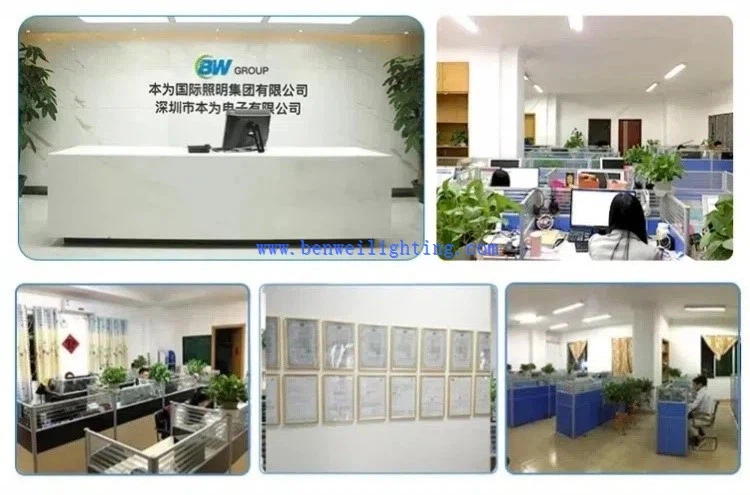
Our firm prides itself on owning its own factory, guaranteeing complete control over the production process and the quality of our goods. We are not only agents; we are manufacturers committed to offering our clients the most competitive rates available. We invite consumers to evaluate our samples first, as we are assured that the quality and pricing of our items are self-evident. Our dedication to excellence and client satisfaction compels us to consistently perform at our best and provide superior quality products.
Our address
3rd Floor, 5th Building, Hebei Industrial Park, Hualian Community, Longhua District, Shenzhen, China





