

The era of choosing between aesthetics and functionality is ending. LED technology now pioneers a design renaissance where beauty emerges from engineering excellence, transforming illumination from utilitarian necessity into an expressive architectural medium. This convergence reshapes spaces through intelligence embedded within form.
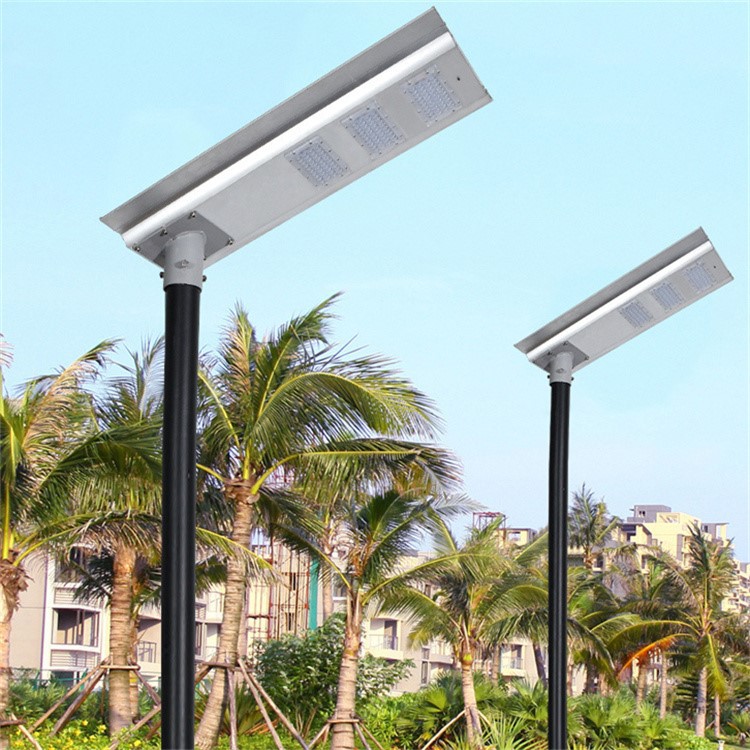
Material Transcendence: Light as Structural Element
LEDs dissolve boundaries between fixture and surface. Micro-LEDs thinner than paper integrate into glass facades, enabling entire building skins to emit programmable glows without visible emitters. Transparent OLED panels transform windows into daytime clarity and nighttime canvases for dynamic art. Engineered "luminous substrates" embed LEDs within terrazzo, wood veneers, and textiles – countertops glow with ambient radiance, stair treads pulse with guidance light. These aren't illuminated objects; they are light. Efficiency emerges inherently: eliminating bulky fixtures reduces material consumption, while directional micro-optics ensure 98% of photons serve purpose. The aesthetic lies in purity – seamless surfaces where light feels conjured, not installed.
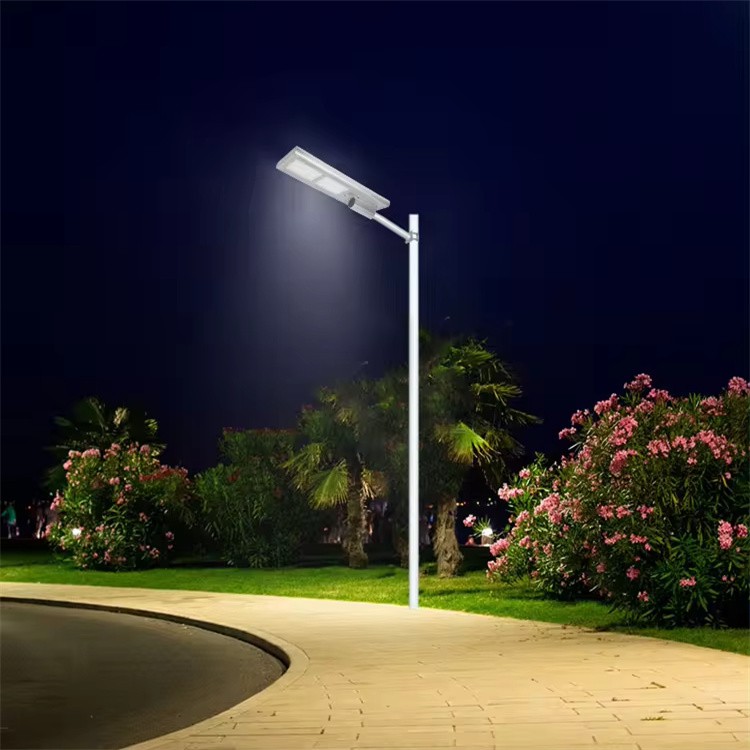
Adaptive Intelligence: Contextual Performance
Future LED systems perceive and respond. LIDAR-equipped luminaires map room occupancy, adjusting intensity and spectrum to activity: cool 5000K focus for kitchen tasks, warm 2200K for dining ambience. Self-calibrating algorithms sync with circadian biology – office ceilings gradually shift from energizing dawn spectrums to melatonin-friendly dusk hues. In museums, nanotech filters eliminate UV/IR radiation while maintaining 99 CRI accuracy, protecting artworks without visual compromise. Self-diagnosing circuits predict failures via thermal imaging, scheduling maintenance before human eyes perceive flicker. Performance isn't static; it's a dialogue between space, occupant, and environment – where efficiency manifests as perfectly timed, need-based illumination.
Human-Centric Harmony: Biophilic Integration
The pinnacle lies in design nurturing biological wellbeing. Spectrally tunable LEDs replicate the solar daylight cycle indoors, regulating cortisol/melatonin rhythms for improved sleep and focus. Wall-mounted "light portals" project calibrated near-infrared wavelengths shown to stimulate cellular repair. In hospitals, patient rooms feature luminous ceilings mimicking passing clouds, reducing painkiller usage by 21% (Herschong Study). Material choices deepen the connection: fixtures crafted from reclaimed ocean plastics or mycelium composites carry ecological narratives. Neuroarchitecture principles guide installations – curved luminous coves reduce anxiety triggers associated with harsh edges. Beauty becomes physiological: forms that soothe nervous systems, spectra that heal, and materials that tell regenerative stories.
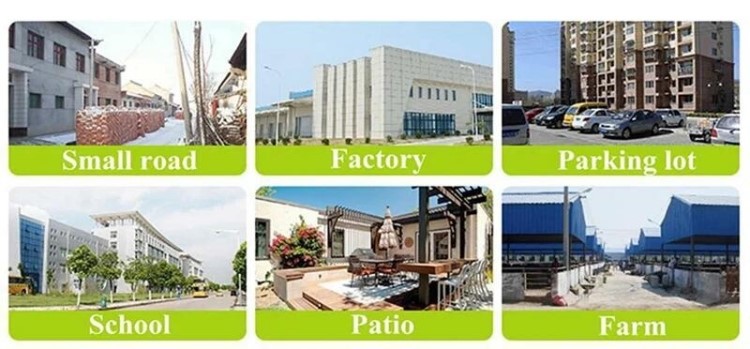
This evolution marks design's maturation: LED technology enables environments where every photon serves multiple masters – aesthetic delight, resource efficiency, and biological nourishment. The future belongs not to lights, but to luminous architecture: spaces breathing with adaptive radiance, sculpted from intelligent materials, and fundamentally attuned to human flourishing. Here, elegance isn't applied – it's engineered into the molecular fabric of our surroundings, proving that the highest performance creates the deepest beauty.
About our company
Shenzhen Benwei Lighting Technology Co., Ltd is a well-known company that designs, develops, makes, and sells high-tech goods, including LED lighting products. The plant where we work opened in 2010 and is in Shenzhen.
Our address
3rd Floor, 5th Building, Hebei Industrial Park, Hualian Community, Longhua District, Shenzhen, China






