

Survival rate is directly related to light intensity
Inadequate light intensity regulation often causes chick mortality. Chick visual development is crucial in the 72 hours following hatching. If the light intensity is low, chicks will not be able to find drinking water and eating areas. Research demonstrates that chicks take 2.3 hours longer to sip water and eat for the first time when light intensity is below 20 lux, causing dehydration and energy depletion. Chicks grow active and restless when light intensity exceeds 50 lux, increasing the risk of reciprocal trampling.
Standardised light intensity parameters
The first three days of raising require 30-50 lux illumination. Use a digital illuminance meter to measure many places in the raising area to ensure ground illuminance homogeneity above 0.8. From the fourth day, reduce illuminance by 5 lux per day until it reaches 15-20 lux on the seventh. The measurement sites should be 15 cm from the ground, matching the chicks' standing eye position. Each 100 square meters of raising area should have 25 measurement points.
Common lighting issues and fixes
Uneven illumination causes most group development discrepancies. Keep lamp spacing within 1.5 times installation height. Edges need additional lighting. The light attenuation of aged lamps can reduce illuminance by more than 30%, thus system calibration with an illuminance meter should be done every six months. To avoid upper layers blocking lower layers, the multi-layer brooding cage needs individual lighting for each layer.
Lighting system technical requirements
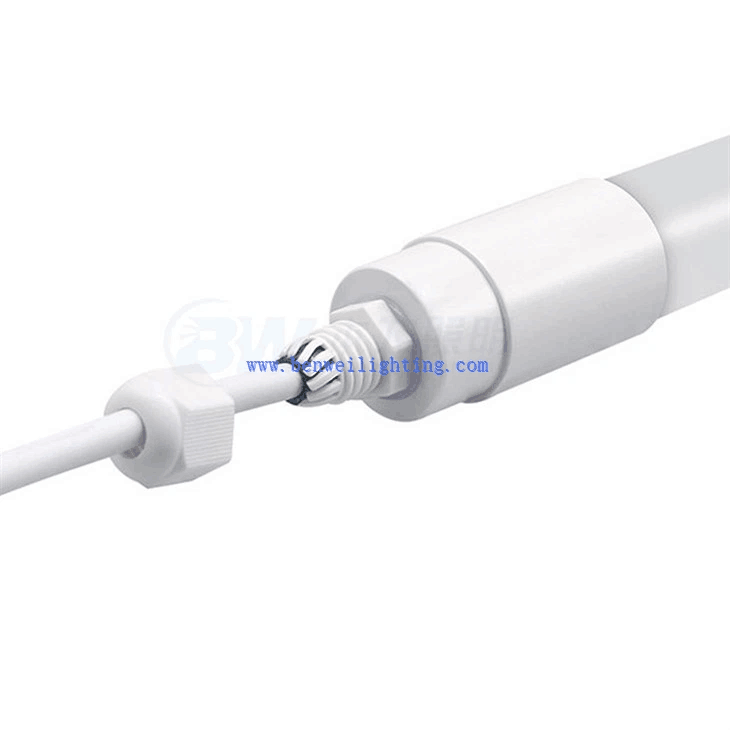
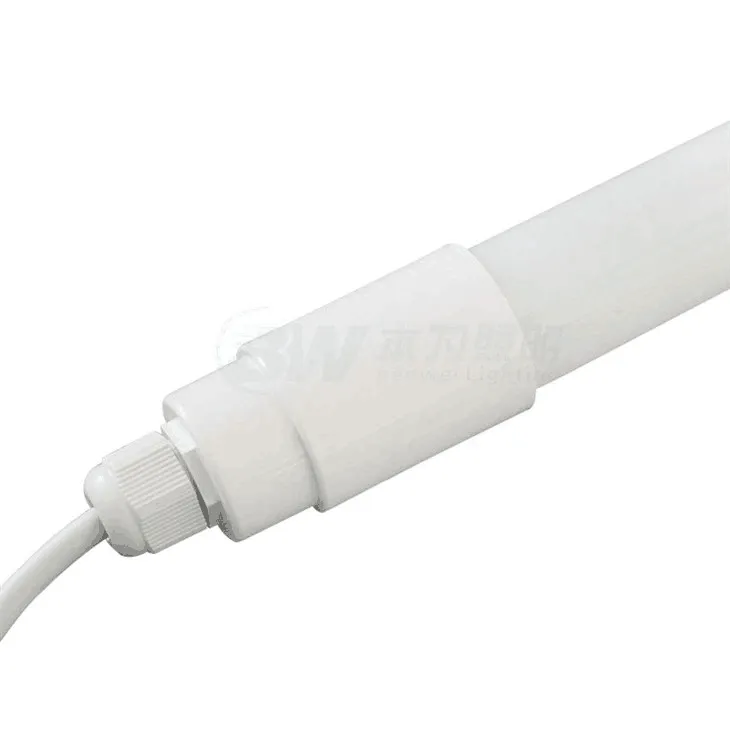
Full-spectrum LED lights with 5000–6500 K color temperatures and 80+ color rendering indexes are recommended. Lamps should be IP65 or higher to prevent dust and moisture damage. The dimming mechanism should provide continuous adjustment from 10% to 100%, with ±5% accuracy. The installation height should be between 1.8 and 2.2 meters, depending on lighting needs.
Monitor and Maintain Procedures
To monitor chick behavior, examine twice daily, morning and evening. Adjust illumination immediately if aggregation or avoidance regions are found. Weekly inspections with a calibrated illuminance meter and illuminance change curve graphs are recommended. Clean light surfaces monthly to avoid 10% light loss. If the lamps' effective working period is 90% of their rated lifespan, replace them in advance.
Organized solution
Lighting management should be part of environmental control system planning. Intelligent lighting controllers that regulate lighting intensity according on chick age are recommended. Integrate an environmental monitoring module to automatically alter lighting when temperature or humidity is abnormal to handle environmental stress. Create a quantifiable lighting intensity and survival rate evaluation method and optimize the lighting plan using data analysis.
For more details about our offerings, please contact us at bwzm18@ledbenweilighting.com.





