

More people are using LED light strips than ever before. They come with a variety of customizing choices and provide an easy and affordable approach to create a mood in a location. Understanding color psychology and using it into your lighting design is one approach to improve the impact of LED light strips. The fundamentals of color theory and psychology will be covered in this article, along with how to apply them to LED lighting to create certain "atmospheres" or aesthetics.
Cool colors like blue or green may produce a peaceful and tranquil ambiance, while warm colors like red or yellow can create a snug and comfortable one. You may utilize LED light strips to create the mood you want by comprehending and putting the fundamentals of color theory and psychology to play.
There are other ways to modify the impact of LED light strips besides using color theory and psychology to create customized surroundings. The light intensity may be changed, for example, by adding a dimmer, and visual appeal can be produced by using various wall patterns and textures. LED light strips may be used to create a distinctive and customized atmosphere by combining color, intensity, and texture in a logical way.
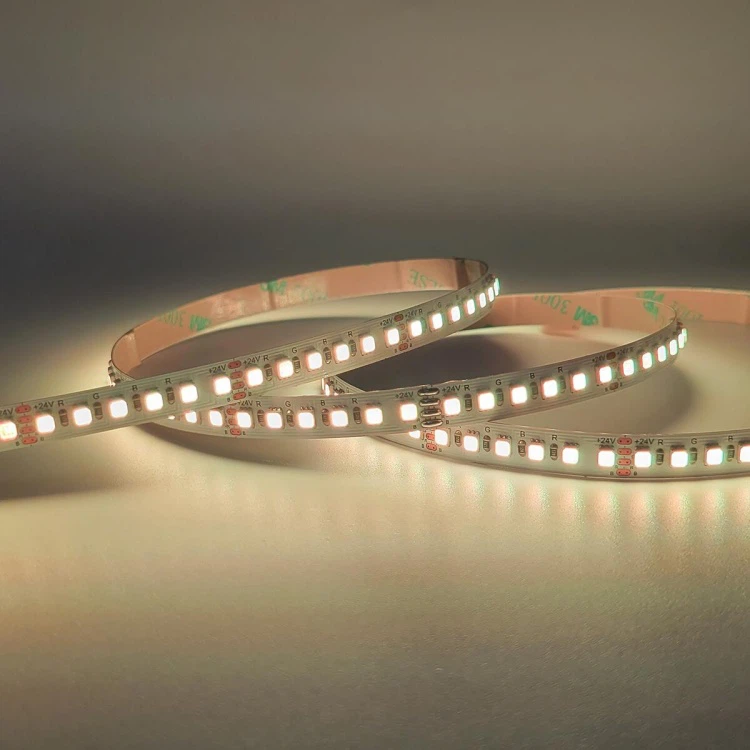
Color Psychology and Theory
Color theory examines the relationships between colors and how they work together to produce striking visual effects. Red, blue, and yellow are the three basic hues. It is impossible to create these hues by combining different colors. Orange, purple, and green are examples of secondary colors that are created by combining two basic colors. Primary and secondary colors are combined to create tertiary colors.
Color psychology examines how colors affect people's feelings and actions as well as how various hues cause individuals to behave and feel in different ways. For example, blue is connected to trust, peace, and serenity, but red is often connected to passion, vigor, and love. Color psychology is frequently used to influence people's choices and actions in a variety of sectors, most often in marketing and advertising.
Red
A warm hue, red is often connected to fervor, love, and vitality. It may raise blood pressure and pulse rate and is visually striking. Red LED light strips may be used to increase energy and excitement in the gym or to create a passionate and romantic mood in the bedroom.
Blue
It is a cool hue that is often connected to serenity, trust, and peace. It is a calming hue that helps reduce blood pressure and pulse rate. Blue LED light strips may be utilized to improve focus and productivity in a home office or to create a calm and soothing environment in the bedroom.
Green
Often connected to peace, balance, and nature, green is a calm and revitalizing hue. It is said to be a soothing hue that may lessen tension and anxiety. Green LED light strips may be utilized to encourage balance and harmony in yoga studios or to create a calm and soothing environment in meditation rooms.
Orange
The vivid hue of orange might increase vitality and hunger. It is often linked to warmth, zeal, and excitement.
Yellow
Warm and upbeat, yellow is often connected to joy, hope, and inventiveness. It is a motivating hue that helps raise vitality and mental clarity. Yellow LED light strips may be used to inspire creativity in an art studio or to create a bright and welcoming ambiance in spaces like the living room.
Purple
Rich and opulent, purple is often connected to spirituality, creativity, and grandeur. Purple has the power to inspire and foster creativity. Purple LED light strips are often used in art studios to stimulate creativity and inspiration or in restaurants to create a sophisticated and opulent ambiance.
White
The white LED light strips generate "correlated color temperature," or CCT, and have a different direct output color from the ones previously stated. The higher the Kelvin level (represented by the letter "K"), the whiter the light. Kelvin is the unit of measurement for color temperature contrast.
A warm hue that approaches yellow and orange is presented by a color temperature of between 2000K and 3000K. The light at dawn and sunset is simulated by these tones. Thus, it should come as no surprise that warm white LED light strips with a low color temperature might promote the production of melatonin, which makes us feel cozy, at peace, and warm.
Cool hues like blue and green will be shown by light with a higher color temperature (5000K or above). The light temperature will rise about midday. Higher color temperatures may improve our ability to concentrate and make us feel more awake, according to the human circadian cycle.

In brief
Please remember the color psychology principles while using LED light strips, and adjust the lighting so that it suits your desires. A single hue may provide a more harmonious impact, while complimentary colors can produce a dynamic and visually fascinating effect. Keep in mind these feelings and responses while selecting colors for the chosen location.
Check out our line of LED light strips. Try out a variety of color tones without fear until you discover the one that best suits your requirements! You may build distinctive and aesthetically pleasing lighting schemes that improve your space experience and make you happier and more comfortable by using your understanding of color psychology and carrying out some tests.For more details about our offerings, please contact us at bwzm18@ledbenweilighting.com.





