This guide will introduce LED light strips, their types, applications, selection characteristics, and common questions and answers. After thorough understanding, you will be able to find the ideal LED light strings to illuminate your life!
What is LED light strip?
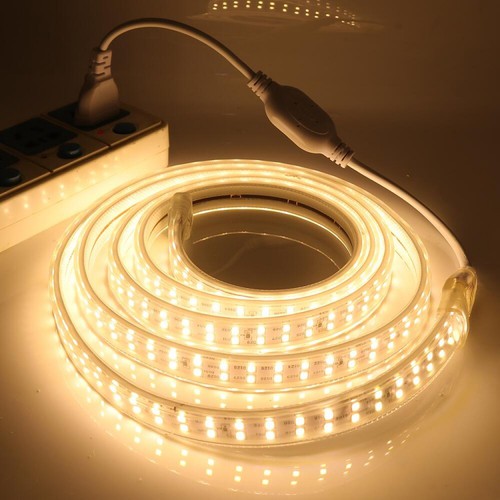
LED light strip, light strip or strip-shaped light is a flexible circuit board. It is usually composed of surface mount light-emitting diodes (SMD LED) and other components. It is encapsulated with adhesive coating. Light strips have traditionally been used only for decorative applications, including recessed lighting, working lighting, backlighting and accent lighting. Light strips offer various circuit types, widths, lengths and outputs. For convenient installation, a layer of adhesive film is usually attached to the bottom of the light strip. After connecting to a compatible controller or dimmer, the color, color temperature, brightness or mode of the light strip can be adjusted according to its type. Light strips can be cut according to specified cutting marks, making them suitable for any project and almost installable anywhere.
How does LED light strip work?
LED light strip uses light-emitting diodes to provide bright light. These diodes are connected to the power supply through the flexible light strip. When current passes through the light strip, the diodes will light up. For convenient installation, the light strip is usually adhered to the surface using back adhesive. Each LED light is a small semiconductor that will emit light when current flows through it. Even if the LED light strip is cut short to a certain length, it can still work properly. Compared to traditional incandescent lamps, LED lights consume less energy and have a longer lifespan. By combining different LEDs in the light strip, different colors can be produced. Usually, a controller is used to change the color and brightness. Therefore, LED light strips can be used for outdoor, commercial and residential lighting.
The main types of LED light strip.
1. White LED light strip
White LED light strip is an ideal choice for creating bright and clean lighting. Both warm white light and cool white light are available. These LED light strips are used for task lighting and accent lighting. White LEDs are more durable and energy-efficient than traditional lamps. They have a modern and stylish appearance and always provide bright light. These light strips can be used in homes, workplaces and commercial buildings. White LED light strips are adaptable and easy to install in different locations.
2. RGB LED light strip
RGB LED light strip allows you to choose any color you want. They provide a mixture of red, green and blue, allowing you to create any hue. These light strips are perfect for creating dynamic and colorful lighting effects. RGB LED light strips are usually used for atmosphere lighting and decorative purposes. You can control their color using a remote control or an application. They are ideal for parties, game rooms and home theaters. RGB light strips can add vitality and excitement to any environment.
LED light strip applications LED light strips have many diverse applications
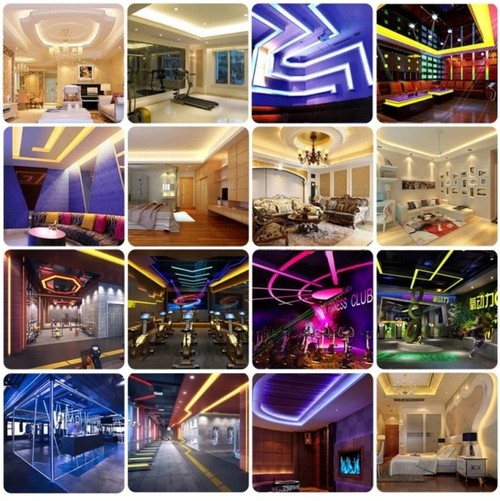
Using soft and atmospheric LED light strips under furniture or walls can enhance the atmosphere of any room.
Using LED light strips as backlight for screens can reduce eye fatigue and improve visibility.
Installing LED light strips around frames or on walls to highlight artworks.
Using LED light strips under cabinets or behind back panels to modernize kitchens and bars.
Using durable and weather-resistant LED light strips to beautify gardens and patios.
Using delicate LED light strips to enhance the safety and atmosphere of corridors and staircases.
Using color-changing LED light strips to create festive atmospheres for events.
Selecting the Best LED Light Strip:
1. Brightness and Lumen Output Before purchasing an LED light strip, carefully consider its power rating. The brightness of the light strip increases with the increase in lumens. If you want a brighter light, it is recommended to choose a light strip with around 500 lumens. This way, even in dim places, you can provide clear vision. Lower lumens are more suitable for ambient lighting or decorative lighting.
2. RGB or Only White Options Some LED light strips offer RGB (red, green, blue) colors, allowing for creative effects. RGB light strips provide an infinite range of color combinations, creating diverse lighting display effects. If you prefer simplicity, you can choose pure white LED light strips. Pure white light strips provide pure lighting and are ideal for reading or working.
3. Energy Efficiency and Lifespan LED light strips are more energy-efficient than traditional lighting. They consume less power while providing bright, stable light. Choosing high-quality light strips can extend their lifespan. Durable LED light strips have a lifespan of over 50,000 hours, with neither brightness nor quality decreasing.
4. Color Temperature LED light strips offer different color temperatures, measured in Kelvin (K). Warm light lighting can be selected with color temperatures ranging from 2700K to 3000K. Cold white light has a color temperature range of 4000K to 6000K. Consider the atmosphere you want to create. Cold color temperatures are brighter and more energetic, while warm color temperatures are more comfortable.
5. Flexibility and Installation Ease Choose flexible LED light strips for easy installation at corners or curved surfaces. Light strips with adhesive backing are easy to stick to surfaces. Check if the light strips come with connectors for extending length. Ensure the installation process is simple and requires only a few tools.
6. CRI The color rendering index (CRI) of the light is measured by its color rendering index (CRI). A high CRI ensures a more vivid and realistic color rendering effect. For activities such as reading or makeup, choose light strips with a CRI greater than 90. Light strips with a lower CRI may distort colors, affecting the overall appearance of the room.
7. Waterproof or Weatherproof Grade If you plan to use LED light strips outdoors, ensure they are waterproof. Check the IP ratings for outdoor and bathroom installations. IP65 or higher grades are ideal for rain and moisture protection. Waterproof light strips can withstand various weather factors and will not age or malfunction.
8. Voltage and Power Requirements When purchasing LED light strips, pay attention to the voltage requirements. Most LED light strips have a voltage of 12V or 24V. Ensure your power supply matches the voltage requirements of the light strips. Using the wrong voltage may damage the light strips or cause unstable lighting. Check compatibility before installation.
FAQs about LED Light Strips
1.Can LED light strips be dimmed?
Yes, many LED light strips can be dimmed. You must equip a dimmable LED driver and the appropriate dimming switch to properly adjust the brightness.
2.Do LED light strips require a driver?
LED light strips do require a driver. It converts the AC power into the DC power required by the LEDs. The driver must comply with the voltage and power specifications of the LED light strips.
3.Is using LED light strips safe?
As long as they are installed and operated correctly, LED light strips are safe. They generate less heat than traditional light sources, and the risks of burns or fires are also lower. However, be sure to follow the manufacturer's instructions and consult an electrician if necessary.
Conclusion
Choosing the right LED light strips can enhance the elegant lighting effect of your property. You can learn about the various types, color temperatures, brightness levels and installation techniques of the light strips, so as to select the one that best suits your needs. Whether you want to improve the lighting, add an atmosphere, or create a magnificent decorative effect, LED light strips can offer multiple options.
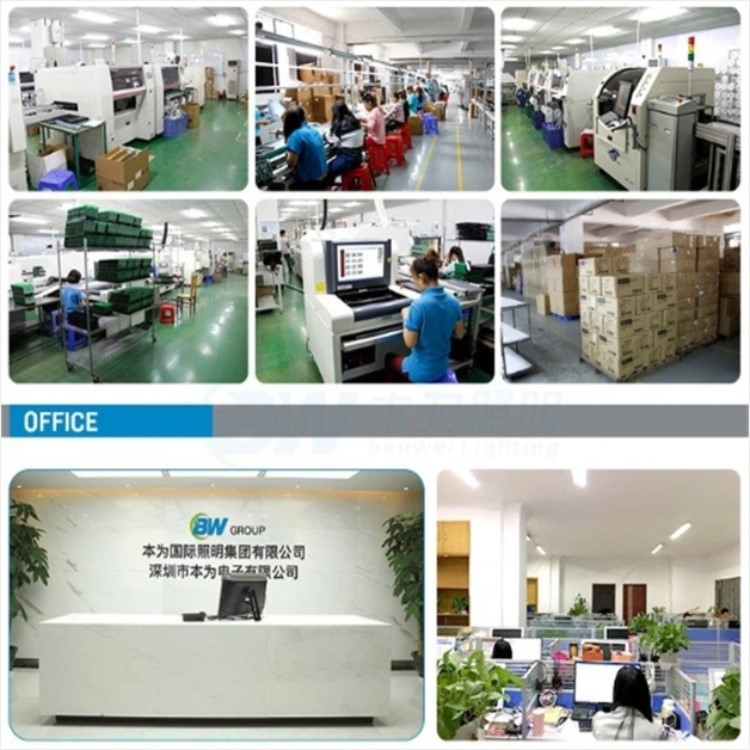
Shenzhen Benwei Lighting Technology Co., Ltd is a reputable manufacturer of LED lighting products that encompasses the design, development,production, and sales of high-tech products. Our factory was founded in2010, is located in shenzhen.
Address
3rd Floor, 5th Building, Hebei Industrial Park, Hualian Community,Longhua District, Shenzhen, China