

Lighting Choices to Save You Money

By adopting energy-efficient lighting, you may illuminate your house for less money while using the same amount of light. An average household saves roughly $225 in energy expenditures annually by installing LED lighting, which accounts for about 15% of the electricity used in a typical home. One of the quickest methods to lower your energy costs is to convert from incandescent light bulbs to energy-efficient lighting if you still use them. Choose bulbs with the ENERGY STAR for high-quality goods that save the most energy.
To save power, think about employing controls like timers and dimmers in addition to energy-efficient lighting. When not in use, lights are automatically turned off by timers, and light levels can be decreased by using dimmers. Make certain that the goods you choose work with the energy-efficient lights you intend to utilize.
Using LEDs or CFLs in outdoor lighting fixtures that are left on for extended periods of time can save a significant amount of energy. Flood lights made of LEDs and CFLs are available; they have been shown to survive rain and snow so they may be used in exposed locations. Look for ENERGY STAR-qualified lights that are made for outdoor usage, include features like automatic daylight shut-off and motion sensors, and offer the best savings.
LEDs
Solid-state lighting uses semiconductors called light-emitting diodes (LEDs), which transform power into light. Although they were formerly only used in indication and traffic light applications, LEDs are currently the most energy-efficient and rapidly-evolving lighting technology. Compared to conventional incandescent lights, LEDs may live up to 25 times longer and consume up to 90% less energy.
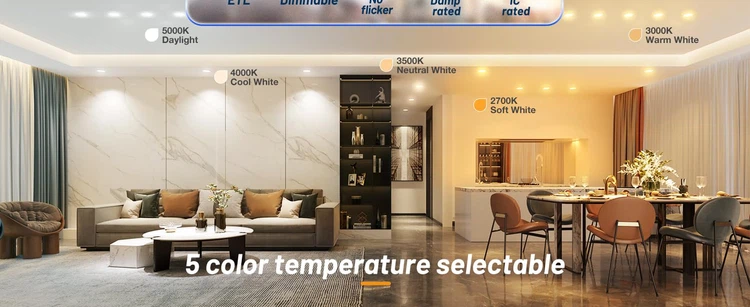
The replacements for 40W, 60W, 75W, and 100W conventional incandescent bulbs, reflector bulbs used in recessed fixtures and track lights, task lighting, undercabinet illumination, and outdoor area lights are all available using LED technology. LEDs are available in a range of colors, and some bulbs may be adjusted to produce certain colors or shades of white light. Some include practical features like daylight and motion sensors or are dimmable. Because of their longevity and efficiency in cold settings, LEDs are effective both indoors and outside. For outdoor usage, look for LED devices including porch lights, step lights, and pathway lights. Outdoor LED lighting supplied by solar energy is also available.
Since they first appeared on the market, the price of LED light bulbs has significantly fallen, and as more goods become available, prices are anticipated to continue to decline. Even though LEDs are more expensive than conventional incandescent bulbs, they nonetheless result in cost savings due to their extended lifespan and extremely low energy use.





