

Winter Eggs, or Not
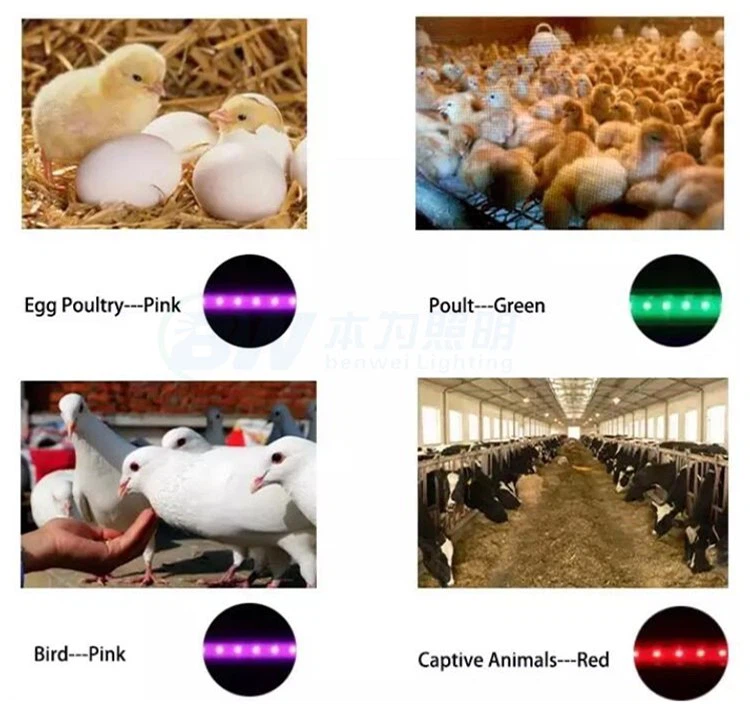
Under natural conditions, chicks hatch in spring, when daylight hours are increasing. They mature during summer and autumn, when daylight hours are decreasing.
A spring-hatched pullet that reaches reproductive maturity while daylight length is still at least 12 hours will start laying in the fall. And she'll likely lay throughout the winter.
Otherwise she's likely to wait until the following spring, when day length once again increases. She'll continue to lay until either the number of light hours per day or the degree of light intensity decreases in the fall. Either or both events tell her it's time to end the current reproductive cycle.
The farther you live from the equator, the bigger your seasonal swings will be in the increase and decrease of day length. To even things out, you can use electric lights to adjust the length of daylight hours inside the coop.
Lighting Your Coop
The wavelength and brightness of your supplemental light should match those of natural sunshine. An LED lighting strip, which emits various wavelengths, such as sunlight, is a good choice.
A strip, as opposed to a light bulb, reduces ominous shadows. Place the strip such that it illuminates the drinker and feeder but not the nesting area.
The intensity of the light will be reduced if dust and cobwebs build up on the strip. Dust the lights once a week to keep your controlled-lighting scheme operating efficiently.
When the length of the day drops to around 15 hours, begin adding more natural light. Throughout the winter and early spring, keep your chicken coop lit until 15 hours of natural daylight return.
Egg laying may slow down or cease if you neglect to turn on the lights for a single day, if the electricity is out, or if the lights burn out. Lights should be turned on and off using a timer that slightly overlaps natural light. You may bracket the varying daylight hours to create a consistent 15-hour day inside the coop by setting the timer to run for a few hours at the same time each morning and again for a few hours in the evening.
Myths and Realities

Myth: Chickens are caught off guard before they roost when lights are turned on and then turned off in the evening. Reality: At night, the chickens are usually on the perch before the lights are turned off.
Myth: You could as well turn on the coop lights all the time. Reality: Among other disadvantages, 24-hour lighting does not provide hens with the 8 hours of peaceful darkness they require to stay healthy.
Myth: Increasing the amount of daylight slows or stops moulting. Reality: My chickens moult every autumn on time, just like the chickens in many other flocks. If you live in a region where winter arrives early, you can ease your anxiety by beginning your lighting schedule after your hens have finished moulting. Or wait until December's winter solstice to turn on the lights.
Myth: Hens are forced to lay by auxiliary illumination. Reality: In order to preserve scarce nutritional resources, hens naturally cease laying in chilly winter regions. In addition to encouraging laying, coop lights extend the chickens' feeding time. However, the chickens will not react to illumination unless they are healthy and fed a suitable winter diet. In any case, if it gets really cold, they will cease lying. Therefore, hens cannot be forced to lay.
Myth: Winter-laying hens are more prone to wear out. The truth is that a hen bears ova (egg yolks that are still developing) for as many eggs as she can lay in her lifetime. Even with lighting, very few hens turn all of their ova into eggs.
Myth: It's not natural to light your chicken coop in the winter. Reality: Near the equator, chickens have 12 hours of daylight almost all year long. Consistent daylight hours throughout the year are a natural occurrence for those hens. We are merely reproducing that natural state away from the equator.
misconception: It's a misconception that using lights in the winter will increase laying because some hens still lay in the winter. In actuality, during their first year, pullets may lie all winter. Additionally, despite having less daylight hours, some breeds that are native to regions far from the equator are bred to lay effectively. Lighting does increase the amount of winter eggs for everyone else.
Our Company:
Shenzhen Benwei Lighting Technology Co., Ltd is a professional manufacturer in producing LED lighting for broiler chickens products, integrates design, development, production, and sales of high-tech products as a whole. The factory was founded in 2010 and is located in Shenzhen. Now has over 300 employees, the annual sale of us is over USD 60 million and has become a leader in the industry. Please contact to us https://www.benweilighting.com/contact-us .





