

Hydroponic lighting systems are an essential aspect of indoor gardening and modern soilless cultivation, serving as the core driving force behind stable plant growth, healthy development, and high-yield harvests in fully controlled indoor environments. Unlike traditional outdoor gardening that relies entirely on natural sunlight, indoor hydroponic farms, grow tents, and vertical planting facilities lack access to natural solar cycles and full-spectrum illumination. Light is an essential factor in plant growth and development, supporting photosynthesis, nutrient absorption, stem elongation, leaf expansion, and reproductive growth throughout every growth phase. By using professional hydroponic grow lights, amateur gardeners and commercial cultivators can accurately recreate the ideal natural light conditions required for plants to thrive, eliminating seasonal restrictions, weather limitations, and unstable natural light interference to achieve year-round continuous planting.
When it comes to maximizing growth with hydroponic lighting systems, the first and most foundational thing to consider is the type of grow light to use, as different light sources deliver vastly different light intensity, heat output, energy consumption, and spectral performance that directly determine planting efficiency. The three common types of hydroponic grow lights widely adopted in the industry are High-Intensity Discharge (HID), Light Emitting Diode (LED), and fluorescent lights. Each lighting category has its own unique advantages, applicable scenarios, and limitations for hydroponic cultivation. Among these mainstream options, LEDs and HIDs are the most commonly used in both home gardening and commercial planting operations as they offer stable high-intensity light output and outstanding energy-efficient performance that far surpass traditional fluorescent alternatives, perfectly meeting the high-standard lighting demands of high-yield hydroponic systems.
LED grow lights are becoming increasingly popular in hydroponic gardening across the globe as they are highly efficient and long-lasting, making them a worthwhile and reliable great investment in the long run for both small-scale home growers and large commercial farms. As the latest generation of professional plant growth lighting equipment, LED grow lights are optimized specifically for plant photosynthesis rather than general human lighting needs. Some of the core practical benefits of using an LED grow light include drastically reduced heat output that avoids plant burn and ambient overheating, ultra-low daily energy consumption that cuts operational costs, and an extremely extended operational lifespan that minimizes frequent equipment replacement and maintenance work. These comprehensive advantages make LED grow lights the preferred lighting solution for modern intelligent hydroponic gardening and vertical planting systems.
HID lights, on the other hand, have been the most widely used mature hydroponic lighting system for many decades, dominating the commercial hydroponic planting industry long before the popularization of LED technology. They emit a lot of heat during stable operation, which can be uniquely beneficial for some plants, especially those that originate from warm climate regions and require a consistently warmer temperature environment for healthy growth and metabolism. In low-temperature indoor planting environments and cold seasonal cultivation, the gentle heat generated by HID lights can maintain a stable growth temperature for plant root systems and leaves, effectively avoiding growth stagnation caused by low temperatures. Meanwhile, HID lights are significantly brighter than most conventional grow lights on the market, providing powerful and uniform high-intensity illumination over a large coverage area, making them perfectly ideal for large commercial grows, spacious planting warehouses, and large-batch crop cultivation.
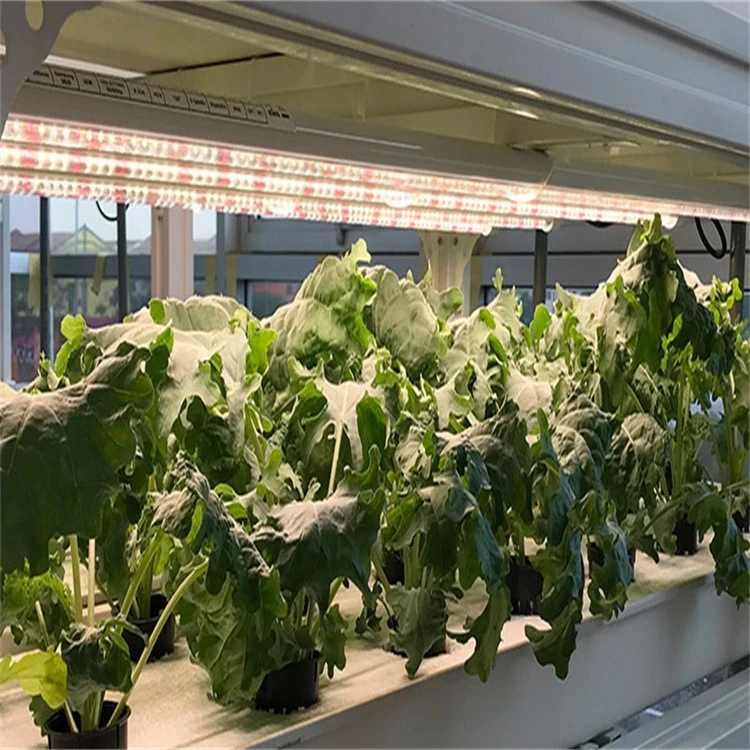
Another critical method for maximizing growth with hydroponic lighting systems is by precisely controlling the light cycle of crops, a key environmental parameter that regulates plant physiological rhythms and growth cycles. The light cycle refers to the fixed duration of light exposure and darkness that a plant receives in a single day, simulating the natural day and night alternation of outdoor growth environments. Plants rely on regular light and dark switching to complete photosynthesis, respiration, nutrient accumulation, and self-repair. For most common vegetable, herb, and fruit crops grown in hydroponic systems, 16 to 18 hours of light exposure and 6 to 8 hours of uninterrupted darkness is the optimal light cycle to balance growth speed and plant health. However, different plant varieties and growth stages have distinct physiological needs; some flowering plants require less light time, while fast-growing leafy greens need more prolonged illumination to accelerate biomass accumulation. To achieve the most stable and optimal light cycle without manual error, growers should consider investing in a precise automatic timer that can intelligently switch the grow lamps on and off on a fixed schedule. This automated control method can also help to effectively prevent common planting issues like light overexposure that causes leaf burn and growth suppression or underexposure that leads to slow growth, thin stems, and low yield.
It is equally important to fully understand the importance of stable and appropriate light intensity in professional hydroponic gardening, as this factor directly governs photosynthetic efficiency and ultimately affects the growth quality and final yield of plants. Light intensity determines how much luminous energy plants can absorb and convert into organic nutrients, and plants require completely different light intensity levels during different stages of growth and development. In the vigorous vegetative stage where plants grow leaves, stems, and root systems, high-intensity light is ideal to support rapid photosynthesis and robust vegetative growth. In contrast, relatively lower and softer intensity light is safely and effectively utilized during the sensitive flowering and fruiting stage to avoid damaging fragile flower buds and promoting stable flower differentiation and fruit setting. To achieve the optimal customized light intensity for each growth stage, growers should scientifically consider the adjustable height of the grow lights above the plant canopy and the matching wattage of the lighting fixtures, adjusting parameters flexibly according to plant height and growth density.
Finally, it is important to carefully consider the color spectrum of the grow light to further refine planting results and maximize harvest quality. The color spectrum refers to the specific wavelengths and colors of light that plants absorb and utilize for growth, and the ideal spectral ratio varies significantly depending on the current stage of plant growth. During the rapid vegetative stage, plants primarily require a bluer spectrum of light to stimulate leaf growth, enhance chlorophyll synthesis, and cultivate sturdy, compact plant shapes. In contrast, a richer redder spectrum is needed during the flowering and fruiting stage to promote flower bud differentiation, accelerate fruit expansion, and increase sugar accumulation in crops. Modern high-quality LED grow lights usually offer flexible customizable color spectrum options that can be switched and adjusted according to growth cycles, making them extremely ideal and versatile for all types of hydroponic gardening scenarios.
In conclusion, hydroponic lighting systems are absolutely essential tools for maximizing plant growth and achieving stable harvests in all forms of indoor gardening and soilless cultivation. To build a perfect simulated growth environment, it is vital to comprehensively consider four core factors: the professional type of grow light selected for the farm, the accurate daily light cycle arrangement, the stage-matched light intensity adjustment, and the reasonable color spectrum configuration. By optimizing every detail of the hydroponic lighting system to create fully customized optimal conditions for plants to thrive, every grower can effectively increase their crop yield, significantly improve overall plant health and disease resistance, and consistently achieve a high-quality, successful harvest throughout the year.

How To Cooperate With Us?
Because we have our own facilities, we are pleased to have complete control over the production process and the quality of our goods. We are committed to giving our clients the finest prices since we are manufacturers rather than just brokers. We encourage clients to look at our samples first since we are certain that the cost and quality of our items are transparent. Our dedication to excellence and client happiness motivates us to consistently provide superior products.
Our address
3rd Floor, 5th Building, Hebei Industrial Park, Hualian Community, Longhua District, Shenzhen, China





