Methods for Safeguarding LED Lights from Avian Interference: An Overview of Bird Spikes and Deterrents

May 20, 2025

Leave a message

LED lights have gained popularity among companies and homes due to their energy efficiency and luminous brightness. Nonetheless, birds also have a strong affinity for them. One cause is the heat that LED lighting may produce. Although LEDs operate at lower temperatures than conventional bulbs, they nevertheless provide sufficient heat to provide a comfortable resting area for birds.


Another attraction is the elevation. Exterior LED lights are frequently positioned at elevated locations on structures, poles, or signage, providing birds with a secure view point, shielded from predators. Additionally, some installations are partially obscured or equipped with minor coverings, rendering them effective shelters from environmental conditions. Birds consistently seek convenient landing sites, and your LED lighting arrangement may serve as an alluring perch.


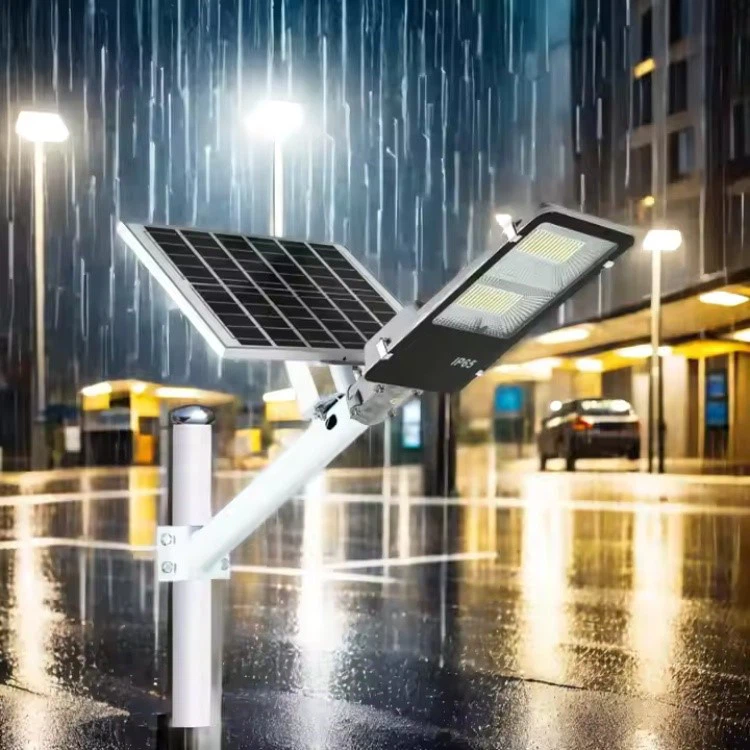
street

Prevalent Problems Arising from Avian Nesting or Perching on Illumination Fixtures

Although birds may appear innocuous, their presence on your LED lights might result in several complications. A conspicuous indicator is the

accumulation of excrement. Bird excrement is not only aesthetically displeasing but can also damage the surface of lights over time, diminishing their luminosity.
Nesting presents a further concern. Twigs, feathers, and various nesting materials may accumulate around your fixtures, obstructing ventilation

and retaining heat. This may result in your lights operating at elevated temperatures, therefore exerting strain on the internal components. The accumulation of dirt and debris over time can diminish the efficacy of your lights, necessitating more frequent cleaning or replacement.
 

Avian Deterrents for LED Illumination

Bird spikes, also known as bird deterrent spikes, produce an irregular surface that prevents birds from landing securely.
Section 1: The Impact of Avian Species on LED Lighting Systems


Accumulation of Avian Excrement

When birds alight above or adjacent to your LED lighting, excrement will unavoidably fall upon the lights. This accumulation is not only a superficial issue-avian excrement is acidic and may damage surfaces over time. Accumulation on the lens of an LED light can diminish the fixture's brightness by obstructing the beam.
Excessive droppings not only diminish light output but may also reduce the lifespan of your fixtures. Consistent cleaning can alleviate some damage, although it remains a perpetual task. Consequently, preventive measures such as bird spikes, avian deterrent spikes, or bird repellent devices can be transformative. These tools can assist you in determining how to deter birds before the accumulation becomes excessive.
 

Nesting materials obstructing airflow and causing fixture overheating

Birds frequently select LED lighting fixtures as suitable nesting locations, particularly those with slight overhangs or integrated enclosures. Twigs, leaves, and various things may accumulate around the LED's ventilation openings, impeding airflow. Optimal ventilation is essential to prevent electrical components from overheating.
When heat is confined, the fixture may operate at temperatures exceeding its design specifications. Prolonged exposure to heat stress might damage the internal components of your LEDs. Although LEDs are often more resilient than traditional bulbs, they are not impervious. Persistent elevated temperatures can diminish performance, cause flickering, and impair the fixture's longevity.
 

Elevated Maintenance Expenditures and Potential for Electrical Damage

Consistent removal of droppings and nests might incur significant costs. It may necessitate the employment of specialised maintenance personnel to access elevated structures or challenging locations. If the birds cause considerable damage, such as damaging wiring or exposing electronics, repair costs can escalate rapidly.

The risk extends beyond only cosmetic or performance-related concerns. Exposed electrical components may provide safety risks if moisture or debris infiltrates the wire. Neglecting these concerns for an extended period heightens the risk of a short circuit. Consequently, several property owners invest in bird deterrent spikes or alternative devices to prevent avian intrusion before harm intensifies.
 

Legal Considerations

In some areas, particular avian species are legally safeguarded. This indicates that you may be prohibited from removing active nests or disturbing protected avian species. Unauthorised interference with a nest in a restricted location may result in fines or further penalties. Consistently verify local regulations to confirm compliance. Preventative measures, such as the installation of bird control spikes, are generally permissible and can assist in circumventing legal issues in the future.
Comprehending the comprehensive extent of avian damage to your lights elucidates the need of preventative measures. successful solutions exist for deterring birds, with the most successful combining simplicity and enduring benefits. The subsequent sections will examine these possibilities in further depth, providing insights and recommendations on topics ranging from avian deterrent devices to expert installation services.

street light

Shenzhen Benwei Lighting Technology Co., Ltd was established in 2010. It is a national high-tech enterprise integrating design, R&D, production and sales of indoor and outdoor lighting products and also can do OEM ,ODM .For more details about our offerings, please contact us at bwzm18@ledbenweilighting.com

Send Inquiry