Introduction
In contemporary interior design, lighting has evolved beyond its conventional practical purpose of illuminating areas to become a fundamental creative component that defines style, creates atmosphere, and raises a space's overall aesthetic worth. The need for lighting solutions that can accommodate various design ideas and space restrictions has increased dramatically as interior design trends continue to shift toward customisation, simplicity, and adaptability. New flexible strip lights, also referred to as LED flexible strip lights, are one of the cutting-edge lighting technologies that have emerged recently. They have completely changed how homeowners and designers approach lighting design by providing unmatched flexibility, customisation, and ease of use that traditional lighting fixtures just cannot match. Surface-mounted LEDs (SMD LEDs) attached to a flexible printed circuit board (PCB) that can bend, curve, and adapt to a variety of surfaces and forms make up flexible strip lights, which are linear lighting solutions. In contrast to rigid lighting fixtures like track lights, linear pendants, and recessed downlights, which are constrained by fixed forms and installation requirements, new flexible strip lights can be bent around corners, cut to specific lengths, and installed in confined or irregular spaces, opening up countless creative possibilities for interior lighting design. These lights are now commonplace in interior design for homes, businesses, and hotels, whether they are utilised to produce striking light shows, delicate accent lighting, or useful ambient illumination. The transformational impact of new flexible strip lights in interior design is examined in this essay using a methodical, thesis-like approach, with an emphasis on their fundamental technological features, adaptable design applications, useful benefits, and installation best practices. This article attempts to offer a thorough guide for designers, homeowners, and business owners looking to take advantage of the countless design options provided by flexible strip lights, transforming ordinary spaces into unique, visually stunning environments. It does this by incorporating industry technical standards, design case studies, and professional insights.
The Evolution of Flexible Strip Lights in Interior Design
The growth of LED technology and the increasing need for adaptable, inconspicuous lighting solutions are the reasons for the creation of flexible strip lights. The use of early strip lights, which often used incandescent or fluorescent bulbs, was restricted to simple accent lighting due to their weight, inefficiency, and lack of adjustability. However, flexible strip lights have evolved into the adaptable, high-performance lighting option that is now accessible because to the emergence of SMD LED technology and flexible PCB materials like polyimide and PVC. Higher energy efficiency, longer lifespans, improved light quality, and increased flexibility are just a few of the notable advancements that modern flexible strip lights provide over their predecessors. New flexible strip lights are a favourite among interior designers because they can be tailored to any design idea, from sleek, contemporary interiors to cosy, rustic settings, in contrast to conventional lighting, which is often fixed in shape and function. With the advent of smart lighting controls, users may now remotely alter colour, brightness, and lighting effects, giving home design even more personalisation.
The Core Value of Flexible Strip Lights in Creative Lighting Design
The special blend of adaptability, personalisation, and user-friendliness that distinguishes modern flexible strip lights from conventional lighting options. Instead of considering lighting as an afterthought, designers can incorporate it effortlessly into a room because to its capacity to bend and mould to any surface, whether it a curved wall, an irregularly shaped cabinet, or an architectural element. Additionally, designers may construct customised lighting solutions that match the unique functional and aesthetic requirements of a space thanks to their adjustable brightness levels, length, and colour possibilities. Flexible strip lights provide homeowners and business owners with an affordable method to improve their environments without having to make significant repairs. Even those with little do-it-yourself knowledge may use them because of their simple installation and minimal maintenance needs, and their energy efficiency lowers long-term expenses. Flexible strip lights are now the preferred option for anybody wishing to infuse their interior spaces with originality, flair, and usefulness.
Core Technical Characteristics of New Flexible Strip Lights
Examining the fundamental technological features of flexible strip lights is crucial to comprehending the many creative possibilities they provide. Their performance, adaptability, and applicability for various interior design applications are defined by these attributes, which include flexibility, light quality, customisation choices, and durability. In order to satisfy the demanding requirements of both residential and commercial environments, modern flexible strip lights are designed to combine technological prowess with artistic potential.
Flexibility and Physical Adaptability
Flexible PCB materials provide the physical flexibility that distinguishes flexible strip lighting. The majority of contemporary flexible strip lights are made using a thin, flexible PCB (usually 0.3 to 0.5 mm thick) that can bend to a minimum radius of 5 to 10 mm, enabling them to adapt to corners, curves, and uneven surfaces without harming the circuit or the LEDs. Because of their adaptability, they are perfect for placement in areas that are inaccessible to conventional rigid lighting, including beneath cabinets, along stair treads, around curved furniture, or in architectural niches. Furthermore, flexible strip lights may be trimmed to specific lengths at predetermined cut points (often every 50 or 100 mm), guaranteeing an ideal fit for any area. Whether the room needs a long strip for a vast wall or a short strip for a little accent, its cuttable design reduces waste and enables perfect customisation. High-end flexible strip lights may also be sculpted into intricate patterns or designs thanks to their 360-degree flexibility, which increases their creative potential.
Light Quality and Technical Specifications
The quality of light produced by flexible strip lights is determined by several key technical parameters, including color temperature, color rendering index (CRI), luminous efficacy, and beam angle-all of which play a critical role in their suitability for different design applications.
Color temperature (measured in Kelvin, K) ranges from warm white (2700K to 3000K) to cool white (4000K to 6500K), with neutral white (3500K to 4000K) in between. Warm-tone strip lights emit a soft, golden glow that creates a cozy, inviting ambiance-ideal for residential spaces such as bedrooms, living rooms, and dining rooms. Cool-tone strip lights deliver a bright, crisp light that enhances clarity and focus-suitable for commercial spaces such as offices, retail stores, and kitchens. Neutral-tone strip lights balance warmth and clarity, making them versatile for a wide range of applications.
The color rendering index (CRI) measures a light source's ability to reproduce colors accurately (on a scale of 0 to 100). For interior design applications, a CRI of 80 or higher is recommended to ensure that colors of furniture, decor, and wall paint are displayed accurately. Premium flexible strip lights offer a CRI of 90 or higher, making them ideal for spaces where color accuracy is critical, such as art studios, retail display areas, and high-end residential spaces.
Luminous efficacy (measured in lumens per watt, lm/W) determines energy efficiency-modern flexible LED strip lights typically have a luminous efficacy of 100 to 150 lm/W, far exceeding traditional incandescent lights (10 to 15 lm/W) and fluorescent lights (50 to 70 lm/W). Beam angle (typically 120° to 180°) ensures uniform light distribution, creating a soft, diffused glow that is ideal for accent lighting and ambient illumination.
Customization Capabilities
New flexible strip lights offer extensive customization options, allowing designers and users to tailor the lighting to their specific needs and design visions. The most common customization options include:
Color Options: Flexible strip lights are available in single-color (warm white, cool white, neutral white) and multi-color (RGB, RGBW) variants. RGB strip lights can produce millions of colors, allowing users to create dynamic lighting effects, while RGBW strip lights add a white LED for better color accuracy and brightness control.
Brightness Control: Most flexible strip lights are dimmable, compatible with standard dimmer switches or smart lighting controls. This allows users to adjust brightness levels to create different moods-from bright, functional lighting to soft, ambient glow.
Lighting Effects: Advanced flexible strip lights can be programmed to create a variety of lighting effects, such as fading, strobing, chasing, and color cycling. These effects are ideal for creating eye-catching displays in commercial spaces or adding a playful touch to residential spaces.
Smart flexible strip lights, which can be controlled via smartphone apps, voice commands, or timers, offer even greater customization. Users can set schedules, adjust colors and brightness remotely, and even sync the lights with music or other smart devices-unlocking endless creative possibilities.
Durability and Installation Versatility
With a typical lifetime of 50,000 to 100,000 hours-five to ten times greater than conventional incandescent lights-modern flexible strip lights are designed to be strong and long-lasting. Additionally, depending on the waterproof grade, they may be used inside or outside due to their resistance to dust, moisture, and temperature changes. Another important feature of flexible strip lights is their adaptability in terms of installation. The majority of models include a robust adhesive backing that makes peel-and-stick installation fast and simple. No complicated wiring or equipment are needed. Strip lights may be installed more permanently with the use of aluminium profiles, channels, or clips, which also aid in heat dissipation and strip protection. They are adjustable to every area since they may be placed beneath cabinets, along walls, on ceilings, in stairwells, and around furniture, among other places.
Versatile Design Applications of Flexible Strip Lights
New flexible strip lights are appropriate for a variety of interior design applications, from domestic houses to commercial spaces, due to their adaptability, customisation, and simplicity of installation. Designers may construct distinctive lighting solutions that improve a space's aesthetic and practical value because to their adaptability to any form, size, and design idea. A thorough examination of their main uses, arranged by kind of area, may be found below.
Residential Interior Design Applications
In residential spaces, flexible strip lights are used to create personalized, inviting environments that reflect the homeowner's style. They can be used for ambient lighting, accent lighting, or task lighting, adding depth, warmth, and visual interest to any room.
Living rooms and bedrooms are spaces where ambiance is key, and flexible strip lights excel at creating cozy, inviting atmospheres. In living rooms, strip lights can be installed behind the TV, along the perimeter of the ceiling (cove lighting), or behind a feature wall-creating a soft, diffused glow that enhances the room's warmth. For example, installing warm-tone (2700K) RGBW strip lights behind a TV creates a backlight effect that reduces eye strain and adds a cinematic feel to movie nights.
In bedrooms, flexible strip lights can be installed along the headboard, under the bed, or around the perimeter of the ceiling. Warm-tone strip lights under the bed create a soft, ambient glow that is ideal for night-time navigation, while dimmable strip lights along the headboard provide a cozy reading light. Multi-color RGB strip lights can also be used to create a playful, personalized atmosphere-allowing homeowners to change the color to match their mood.
Kitchens and bathrooms require functional, bright lighting, but flexible strip lights can also add style and functionality to these spaces. In kitchens, strip lights installed under cabinets provide task lighting for countertops, making food preparation easier and more efficient. Cool-tone (4000K) strip lights are ideal for kitchens, as they enhance clarity and reduce eye strain.
In bathrooms, waterproof flexible strip lights (IP65 or higher) can be installed around mirrors, along the edges of showers, or under vanities. They provide bright, uniform lighting for grooming tasks while adding a spa-like ambiance. For example, installing cool-tone strip lights around a bathroom mirror eliminates shadows, making it easier to apply makeup or shave.
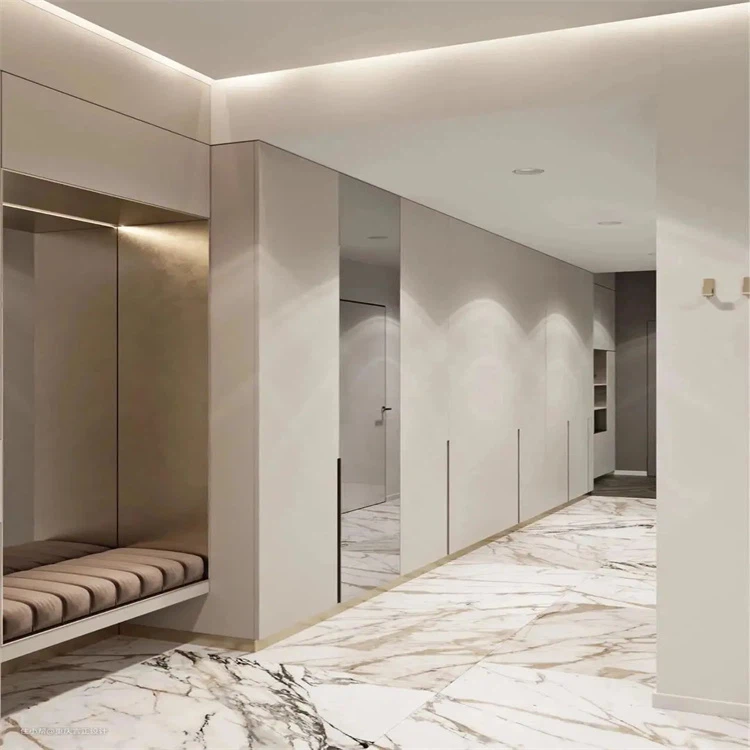
Staircases and hallways are often overlooked in lighting design, but flexible strip lights can transform these spaces into visually striking, safe areas. Strip lights installed along stair treads or risers provide illumination for night-time navigation, reducing the risk of falls. They also add a dramatic, modern touch to staircases-especially when using multi-color or dimmable strip lights. In hallways, strip lights installed along the baseboards or ceiling perimeter create a soft, ambient glow that makes the space feel more inviting and spacious.
Commercial Interior Design Applications
In commercial spaces, flexible strip lights are used to attract customers, enhance brand identity, and create a memorable experience. Their versatility allows them to be adapted to a wide range of commercial environments, from retail stores and offices to hotels and restaurants.
Retail stores rely on lighting to highlight products and create an inviting shopping environment, and flexible strip lights are ideal for this purpose. They can be installed in display cases, along shelves, or behind product displays-highlighting the products' colors, textures, and details. For example, RGB strip lights in a clothing store can be programmed to match the store's brand colors or the season's trends, creating a dynamic, eye-catching display. Cool-tone strip lights in a electronics store enhance the sleek, modern look of products, while warm-tone strip lights in a boutique create a cozy, luxurious atmosphere.
Offices and workspaces require bright, comfortable lighting to improve productivity and reduce eye strain. Flexible strip lights can be installed along the edges of desks, under cabinets, or in ceiling coves-providing uniform, diffused light that eliminates harsh shadows. Cool-tone (4000K to 5000K) strip lights are ideal for offices, as they enhance focus and alertness. Dimmable strip lights allow employees to adjust the brightness to their preference, creating a more comfortable work environment.
Hotels and restaurants use lighting to create a memorable, immersive experience for guests, and flexible strip lights are a key tool in achieving this. In hotels, strip lights can be installed in lobbies, hallways, and guest rooms-creating a luxurious, welcoming ambiance. For example, warm-tone strip lights in a hotel lobby highlight architectural features and create a cozy atmosphere, while RGB strip lights in a hotel bar can be programmed to create a dynamic, lively mood.
In restaurants, flexible strip lights can be installed under tables, along the edges of bars, or behind accent walls-creating a romantic, intimate ambiance. Warm-tone strip lights are ideal for fine dining restaurants, while multi-color strip lights can be used in casual restaurants or bars to create a fun, energetic atmosphere. Strip lights can also be used to highlight the restaurant's decor or menu displays, enhancing the overall dining experience.
Practical Advantages of New Flexible Strip Lights
Beyond their creative potential, new flexible strip lights offer numerous practical advantages that make them a superior choice for interior design compared to traditional lighting solutions. These advantages include energy efficiency, cost-effectiveness, ease of installation, and low maintenance-making them a smart investment for homeowners and business owners alike.
Energy Efficiency and Sustainability
Flexible strip lights are powered by LED technology, which is far more energy-efficient than traditional incandescent or fluorescent lights. LEDs consume up to 75% less energy than incandescent lights and 50% less energy than fluorescent lights, resulting in significant savings on electricity bills. For example, a 10W flexible LED strip light can produce the same amount of light as a 60W incandescent light-reducing energy consumption by 83%.
Additionally, LED strip lights have a long lifespan (50,000 to 100,000 hours), which reduces the need for frequent bulb replacements and minimizes waste. They also contain no mercury or other toxic substances, making them environmentally friendly and easy to recycle. For those committed to sustainable design, flexible strip lights are a responsible choice that aligns with green building standards.
Cost-Effectiveness
While the initial cost of flexible strip lights may be higher than traditional lighting, their long lifespan and energy efficiency result in significant long-term savings. The low maintenance requirements-no bulb replacements for years-reduce labor costs and hassle. Additionally, their easy installation eliminates the need for professional electricians (in most cases), further reducing costs. For commercial spaces, the ability to customize the length of the strip reduces waste, ensuring that businesses only purchase the amount of lighting they need.
Easy Installation and Low Maintenance
One of the most significant advantages of flexible strip lights is their ease of installation. Most models come with a strong adhesive backing, allowing for quick peel-and-stick installation on any clean, flat surface. No tools, wiring, or professional experience is required-making them accessible to homeowners and DIY enthusiasts. For more permanent installations, strip lights can be mounted using clips or channels, which are easy to install and remove.
Maintenance is also minimal. LED strip lights require no bulb replacements for years, and routine maintenance involves simply cleaning the strip to remove dust and debris. Unlike traditional lighting, which can burn out quickly or require frequent adjustments, flexible strip lights are reliable and low-maintenance-making them ideal for busy homeowners and business owners.
Versatility and Adaptability
The versatility of flexible strip lights is unmatched by traditional lighting solutions. They can be adapted to any space, shape, or design concept-from small residential rooms to large commercial spaces. Their cuttable design and flexibility allow them to fit into tight or irregular spaces, while their customization options (color, brightness, lighting effects) allow them to adapt to changing design needs. Whether you are renovating a space, updating your decor, or changing your business's brand identity, flexible strip lights can be easily adjusted to suit your new vision.
Installation Best Practices for Flexible Strip Lights
To ensure that flexible strip lights deliver optimal performance and aesthetic results, it is important to follow installation best practices. These practices address surface preparation, wiring, waterproofing, and heat management-all of which can impact the lifespan and effectiveness of the strip lights.
Surface Preparation
Before installing flexible strip lights, the surface must be clean, dry, and smooth. Dust, dirt, or moisture can reduce the effectiveness of the adhesive, causing the strip to peel off over time. Use a clean cloth to wipe the surface with rubbing alcohol, then allow it to dry completely before installing the strip. For rough or uneven surfaces, use mounting clips or channels to secure the strip, as adhesive may not adhere properly.
Wiring and Power Supply
Flexible strip lights require a compatible power supply (driver) to operate. The power supply must match the voltage (typically 12V or 24V) and wattage of the strip light to avoid overloading or underpowering. For long strip runs (over 5 meters), it is recommended to use a power supply with sufficient wattage and to wire the strip in parallel to ensure uniform brightness along the entire length. If you are not familiar with electrical wiring, it is advisable to consult a professional electrician to ensure safety and compliance with local electrical codes.
Waterproofing
For outdoor applications or indoor spaces with high humidity (such as bathrooms, kitchens, or pool areas), use waterproof flexible strip lights with an IP rating of 65 or higher. IP65-rated strip lights are protected against dust and water jets, while IP67 or IP68-rated strip lights are waterproof and can be submerged in water. Additionally, use waterproof connectors and seal any cut ends with silicone sealant to prevent moisture from entering the circuit.
Heat Management
LED strip lights generate minimal heat, but prolonged use can cause the PCB to overheat, reducing the lifespan of the LEDs. To prevent overheating, use aluminum profiles to mount the strip lights-aluminum dissipates heat effectively, keeping the strip cool. Avoid installing strip lights in enclosed spaces without proper ventilation, as this can trap heat and damage the strip.
Conclusion
New flexible strip lights have revolutionized interior design by offering endless creative possibilities, combining flexibility, customization, and practicality in a single lighting solution. Their ability to bend, curve, and conform to any surface, combined with their high light quality, energy efficiency, and easy installation, makes them an ideal choice for both residential and commercial spaces. Whether used to create bold, eye-catching displays or subtle, ambient lighting, flexible strip lights have the power to transform ordinary spaces into personalized, visually stunning environments.
From residential living rooms and bedrooms to commercial retail stores and hotels, flexible strip lights adapt to any design vision, enhancing the aesthetic and functional value of the space. Their technical excellence-including high CRI, customizable color and brightness, and long lifespan-ensures that they deliver consistent performance and value over time. Additionally, their energy efficiency and low maintenance make them a sustainable, cost-effective investment for homeowners and business owners.
As interior design trends continue to prioritize customization, versatility, and sustainability, flexible strip lights will remain a key tool for designers and homeowners seeking to push the boundaries of creative lighting. With their endless design options and practical advantages, these lights are not just a lighting solution-they are a creative medium that allows individuals to express their style and transform their spaces in ways that were once impossible. Whether you are a professional designer or a DIY enthusiast, flexible strip lights offer the perfect combination of creativity and functionality to bring your design vision to life.
About Our Company

Shenzhen Benwei Lighting Technology Co., Ltd is a well-known company that designs, develops, makes, and sells high-tech goods, including LED lighting products. The plant where we work opened in 2010 and is in Shenzhen.
Our address
3rd Floor, 5th Building, Hebei Industrial Park, Hualian Community, Longhua District, Shenzhen, China