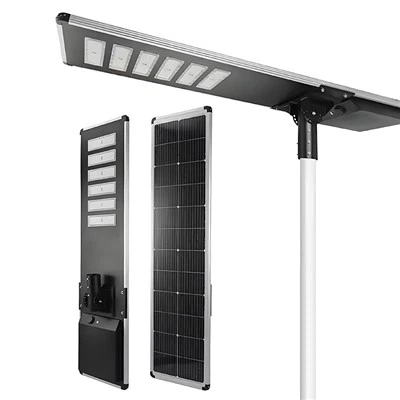
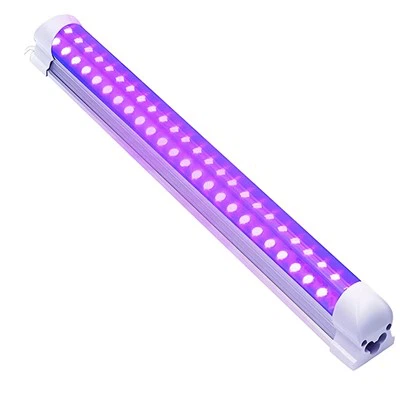
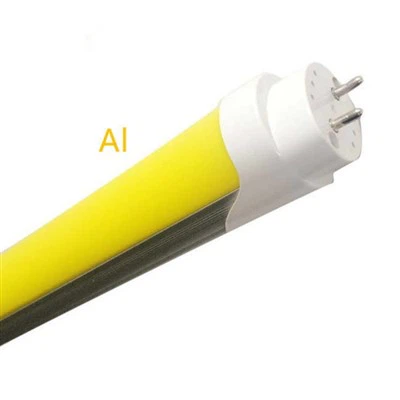
Indoor gardening has become increasingly popular over recent years, as people look for ways to cultivate plants in their own homes. With the rapid development of urbanization, most modern families live in high-rise buildings with limited balcony space and insufficient natural sunlight. Many plant lovers are keen on growing vegetables, flowers, and green plants indoors to decorate their living spaces, purify indoor air, and enjoy the fun of planting all year round, breaking the limitations of seasonal and outdoor environmental constraints. While growing plants indoors has many benefits, creating the perfect indoor gardening environment can be a bit of a challenge. Unlike outdoor planting that can rely on natural sunlight, wind and rain, indoor planting faces many inherent limitations, among which insufficient and unstable light is the biggest core problem. Natural light entering the room is often blocked by walls, floors and window frames, resulting in insufficient light intensity, uneven light distribution and short illumination time, which easily leads to slow seedling growth, thin and weak plant stems, yellow leaves, and difficulty in flowering and fruiting. One important aspect of indoor gardening is ensuring sufficient light for plant growth. This is where seedling cultivation lamps come in; they provide the optimal lighting required for plants to flourish. These professional planting auxiliary lighting tools perfectly make up for the shortage of natural indoor light, simulate the most suitable growth light source for plants, and help indoor plants grow healthily and vigorously. In this article, we'll discuss how to optimize your indoor gardening environment with seedling cultivation lamps, and share professional knowledge and practical skills to help every indoor gardening enthusiast build a stable and efficient plant growth environment.
What Are Seedling Cultivation Lamps?
Seedling cultivation lamps are specialized lights that are designed to provide the optimal light spectrum for seedlings and young plants. In the whole growth cycle of plants, the seedling stage is the most critical and fragile period, which directly determines the growth state, yield and quality of mature plants. Seedlings are extremely sensitive to light spectrum, light intensity and illumination time, and inappropriate light conditions will lead to seedling legginess, poor root development and low survival rate. These lamps are usually LED-based and produce a specific light wavelength, ranging from blue to red, which promotes photosynthesis and helps stimulate plant growth. Different from ordinary indoor lighting lamps that only meet human lighting needs, seedling cultivation lamps focus on the photosynthetic response mechanism of plants. The red light spectrum can effectively promote plant stem elongation, flower bud differentiation and fruit development, while the blue light spectrum inhibits excessive leggy growth of seedlings, promotes leaf growth and chlorophyll synthesis, and improves plant disease resistance. The scientific ratio of red and blue wavelengths can fully simulate natural sunlight, precisely match the light energy required for seedling photosynthesis, solve various growth problems caused by insufficient indoor light, and lay a solid foundation for the healthy growth of young seedlings and mature plants.
The Benefits of Seedling Cultivation Lamps
There are many benefits to using seedling cultivation lamps in your indoor garden.For novice indoor gardeners, it is often difficult to grasp the balance of light supply, and traditional lighting equipment cannot target the growth needs of plants. The emergence of professional seedling cultivation lamps solves many pain points of indoor planting. Here are just a few:
1. Consistent Lighting: Seedling cultivation lamps maintain a consistent lighting environment, which is essential for plant growth. Natural outdoor light is affected by seasons, weather, day and night changes, with great uncertainty in light intensity and spectrum. In rainy days, cloudy days and winter with short sunshine, plants will face serious light deficiency. They provide the necessary wavelengths of light needed for photosynthesis, ensuring that plants get the energy they need to grow. Seedling cultivation lamps can provide stable and fixed spectrum and light intensity all year round, completely unaffected by external weather and environmental changes. This stable lighting condition enables plants to carry out continuous and efficient photosynthesis, avoid growth stagnation and malnutrition caused by light fluctuations, and ensure orderly and steady growth of seedlings in every growth stage.
2. Energy Efficient: Seedling cultivation lamps consume less energy than traditional lighting sources. Many gardeners will use ordinary fluorescent lamps and incandescent lamps to supplement light for plants, but these traditional lamps have low photoelectric conversion efficiency, most of the electric energy is converted into heat energy, resulting in serious energy waste, and excessive heat will also affect the growth of seedlings. They are designed to provide the maximum amount of light with the least amount of energy. LED seedling cultivation lamps have ultra-high light energy utilization rate, which can accurately convert electric energy into the effective light spectrum required by plant growth, with almost no invalid light and heat loss. Long-term use will not bring too much electricity cost pressure, which is very in line with the energy-saving and low-cost planting needs of family indoor gardening.
3. Space Saving: Seedling cultivation lamps are compact and can be placed close to plant leaves, which maximizes the amount of light plants receive. Modern indoor gardening is mostly carried out in family balconies, window sills, indoor flower racks and other limited spaces, and bulky lighting equipment will occupy valuable planting space and affect the placement and growth of potted plants. The streamlined and miniaturized design of seedling cultivation lamps is lightweight and easy to install, which can be flexibly fixed above flower racks and seedling trays. Since the lamps produce low heat, they can be placed close to plant leaves without scalding seedlings, allowing plants to fully absorb light energy, greatly improving the efficiency of light supplement in limited indoor space, and realizing dense and high-quality seedling cultivation.
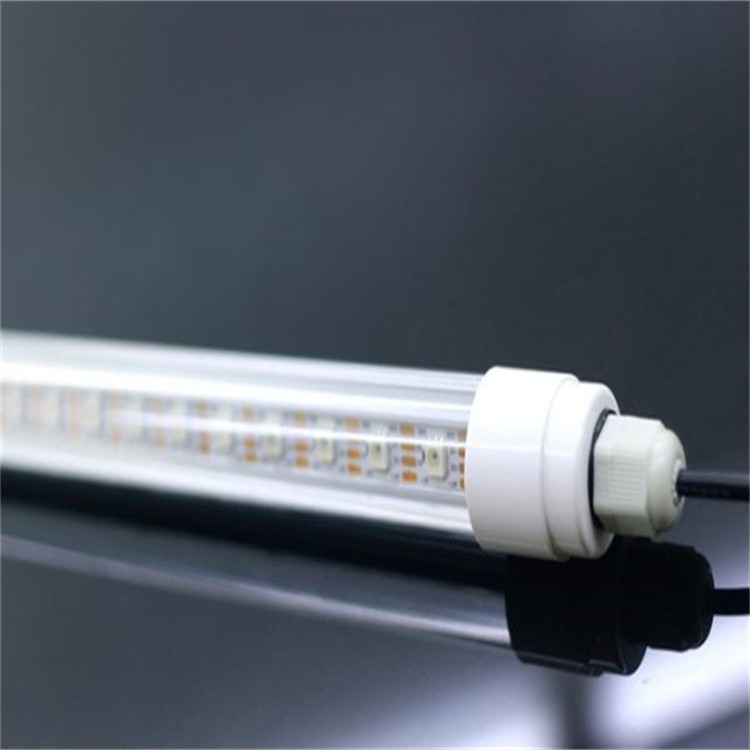
How To Optimize Your Indoor Gardening Environment With Seedling Cultivation Lamps
Now that we've talked about the benefits of using seedling cultivation lamps, let's discuss how you can optimize your indoor gardening environment with these lamps. Owning professional seedling cultivation lamps is only the first step. Scientific and standardized use is the key to giving full play to the lighting advantage and optimizing the indoor planting environment. Many gardeners have purchased seedling lamps but fail to achieve ideal planting effects due to incorrect selection and use methods. The following four core operation steps can help you maximize the use value of seedling cultivation lamps and create a perfect growth environment for indoor plants.
1. Determine Your Lighting Needs
Different plants have different lighting requirements. Each type of plant has its unique growth habit and photosynthetic characteristics, and their sensitivity and demand for light spectrum and intensity vary greatly. Blindly using a single seedling lamp for all plants will not achieve targeted light supplement effect. As such, it's essential to determine the lighting needs of your plants before investing in seedling cultivation lamps. For instance, plants that require a lot of sunlight need a seedling cultivation lamp that produces wavelengths in the blue and red spectrum. Sun-loving plants such as vegetables, succulents and flowering plants need sufficient red and blue light to promote growth, flowering and coloring. On the other hand, plants that prefer shade require a seedling cultivation lamp that emits wavelengths in the green spectrum. Shade-tolerant foliage plants such as pothos and ferns are not suitable for strong red and blue light irradiation. The soft green spectrum can meet their basic photosynthetic needs, avoid leaf burn and yellowing, and maintain the vigorous growth of foliage.
2. Choose The Right Seedling Cultivation Lamp
Once you've determined your lighting needs, it's time to select the right seedling cultivation lamp. There are various types of seedling cultivation lamps on the market with different spectrum ratios, power and styles, and mismatched lamps will directly affect the growth effect of plants. It is necessary to select targeted products according to the types of indoor plants and growth stages (seedling stage, growth stage, flowering and fruiting stage). Look for a lamp that produces wavelengths that align with your plant's needs. For seedling cultivation stage, lamps with high proportion of blue light can cultivate strong seedlings; for flowering and fruiting stage, lamps with increased red light ratio can promote flower bud differentiation and fruit expansion. For example, LED-based seedling cultivation lamps are great for promoting photosynthesis in plants. LED lamps have stable spectrum, low heat and high energy efficiency, which are far more suitable for long-term indoor plant light supplement than traditional light sources, and are the most cost-effective choice for family indoor gardening.
3. Position Your Lamps Correctly
To maximize the benefits of a seedling cultivation lamp, it's important to position it correctly. The installation height and angle of the lamp directly determine the light intensity received by plants and the uniformity of light coverage. unreasonable position will lead to insufficient local light or excessive light irradiation. Place your lamps as close to the plant as possible, without touching the leaves. Combining the low-heat characteristics of LED seedling lamps, the lamp body can be kept at a safe distance of 10 to 20 centimeters from the plant leaves, which can ensure that the light fully covers the plant canopy and root system. If the lamp is too far away from the plant, it might not provide enough light, resulting in insufficient light energy absorption, slow seedling growth and weak plant posture, making the light supplement effect useless.
4. Control The Light Duration
Lastly, remember to regulate the amount of light your plants receive. Just like natural growth rules, plants also need a reasonable alternation of light and dark to complete respiration and nutrient accumulation. Long-term continuous lighting will break the growth rhythm of plants. Seedling cultivation lamps can stay on for longer periods than traditional lighting sources. While this might be helpful in promoting plant growth, it's important to avoid overexposure. Overexposure to light can also damage your plants. Too long illumination time will lead to excessive plant photosynthesis, accelerated leaf aging, dry and yellow leaves, and even burn seedlings. It is recommended to adjust the lighting duration according to plant types and growth stages, usually maintaining 8 to 12 hours of light every day, and turning off the lamps at night to let plants get sufficient rest, so as to balance photosynthesis and respiration and promote healthy growth.
It's no secret that proper lighting is crucial for healthy plant growth. As the core factor restricting the development of indoor gardening, light quality directly determines the growth state of plants. Seedling cultivation lamps provide an effective solution for optimizing your indoor gardening environment, perfectly making up for all kinds of defects of natural indoor light, and creating a stable, efficient and targeted growth light source for indoor plants. By determining your lighting needs, selecting the right lamp, positioning it correctly, and regulating the amount of light your plants receive, you can ensure that your indoor garden is a thriving environment for your plants. Mastering these scientific use skills can let every indoor plant get the most suitable light care, effectively avoid various growth problems caused by light deficiency or improper light supplement, and help gardening enthusiasts easily raise vigorous and lush indoor plants and enjoy the fun of four-season indoor planting.

How To Cooperate With Us?
Because we have our own facilities, we are pleased to have complete control over the production process and the quality of our goods. We are committed to giving our clients the finest prices since we are manufacturers rather than just brokers. We encourage clients to look at our samples first since we are certain that the cost and quality of our items are transparent. Our dedication to excellence and client happiness motivates us to consistently provide superior products.
Our address
3rd Floor, 5th Building, Hebei Industrial Park, Hualian Community, Longhua District, Shenzhen, China