LED bulbs have become a popular choice for lighting in homes and businesses due to their energy efficiency and longevity. Compared with traditional incandescent and fluorescent lighting solutions, LED technology delivers lower power consumption, reduced heat output, and extended service life, making it the dominant lighting option for modern residential, commercial, and industrial spaces. As LED technology continues to iterate, consumers now encounter two mainstream LED lighting types on the market: replaceable LED bulbs and non-replaceable integrated LED bulbs. Many people unknowingly choose integrated LED fixtures for their simple all-in-one design, overlooking the long-term drawbacks hidden in this fixed structure. However, when it comes to replacing an LED bulb, you may have a choice between replaceable and non-replaceable bulbs, and this small decision can greatly impact your long-term lighting costs, usage experience, and environmental footprint. In this article, we will fully explore the core benefits of choosing replaceable LED bulbs for your daily household and commercial lighting needs, helping you make a more scientific and cost-effective lighting choice.
1. Cost Savings
Non-replaceable LED bulbs, also known as integrated LED bulbs, can be more expensive than replaceable LED bulbs since they are designed to last for a long time without needing to be replaced. Integrated LED fixtures integrate lamp beads, circuits, and structural accessories into one inseparable whole, requiring higher manufacturing processes and material costs, which leads to a higher upfront purchase price compared to ordinary replaceable bulb fixtures. Many consumers are attracted by their claimed ultra-long service life and minimalist integrated appearance, ignoring the hidden cost risks in later use. However, if an integrated LED bulb does burn out or stops working, you will need to replace the entire fixture. In daily use, LED damage is often caused by circuit aging, local lamp bead failure, or voltage instability, rather than overall structural damage. Even if only a small part of the lighting system fails, the entire integrated fixture will lose its lighting function and cannot be repaired partially. This can be costly and eliminate any potential cost savings you may have had from the initial energy-saving advantages of LED lighting. Replaceable LED bulbs, on the other hand, can be replaced individually without needing to replace the entire fixture. The lamp holder, fixed structure, and circuit base of replaceable LED lighting fixtures can be used stably for decades, and only the bulb body needs to be replaced after aging and damage. This independent replacement mode greatly reduces long-term maintenance and renewal costs, bringing continuous economic benefits for household and commercial lighting use.
2. Flexibility
Replaceable LED bulbs offer more flexibility than integrated LED bulbs, making them highly adaptable to diverse and changing lighting needs in different scenarios. With integrated LEDs, you are completely limited to the factory-set color temperature and brightness of the bulb they use once the fixture is produced and installed. Whether you feel the light is too cold, too warm, too bright or too dim for a specific space, you cannot make any adjustments, and the fixed lighting effect will remain unchanged until the entire fixture is replaced. This rigid design cannot adapt to the personalized lighting needs of modern families and dynamic commercial scene layout adjustments. Replaceable LED bulbs come in a variety of color temperatures and brightness levels, allowing you to customize your lighting to fit your needs freely and flexibly. For home spaces, you can choose warm white bulbs for bedrooms to create a cozy resting atmosphere, neutral white bulbs for living rooms and study rooms to ensure comfortable daily lighting, and cool white bulbs for kitchens and bathrooms to improve light clarity. For commercial spaces such as offices, retail stores, and exhibition halls, you can adjust bulb brightness and color temperature according to business scenarios, customer experience needs, and working environment requirements. This powerful flexibility realizes personalized and refined lighting management that integrated LED fixtures cannot achieve.
3. Sustainability
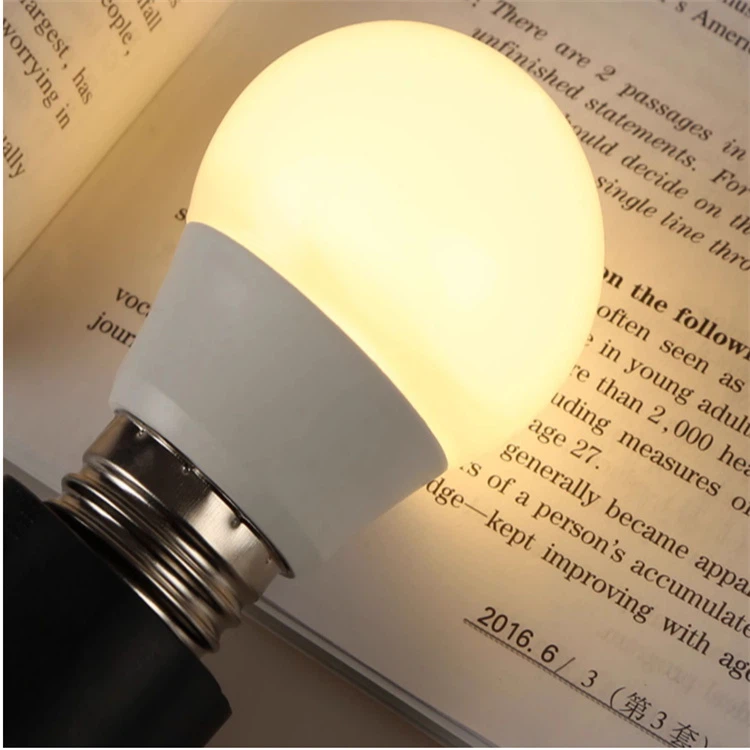
Replaceable LED bulbs are more sustainable than integrated LED bulbs, fitting perfectly with the global concept of green environmental protection and low-carbon life. With the popularization of LED lighting, the waste and recycling of lighting fixtures have become an important part of environmental protection work. When an integrated LED bulb dies, it often ends up in a landfill, contributing to environmental damage. Most integrated LED fixtures are integral structures that cannot be disassembled and classified. Once the lamp beads fail, the entire fixture including metal shells, plastic accessories, and circuit boards will be discarded as garbage. A large number of intact reusable structural parts and metal materials are wasted, and electronic waste generated by random disposal will cause long-term pollution to soil and water resources. Replaceable LED bulbs can be easily removed and replaced, greatly reducing their impact on the environment. After the bulb reaches the end of its service life, only the small bulb body needs to be replaced and recycled, while the reusable fixture structure continues to serve. This mode greatly reduces the generation of electronic waste, improves the utilization rate of lighting equipment materials, and effectively reduces resource waste and environmental pressure, realizing more environmentally friendly and sustainable lighting use.
4. Longer Lifespan
Replaceable LED bulbs typically have a longer lifespan than integrated LED bulbs in terms of overall equipment service cycle. This is because, with replaceable LED bulbs, only the bulb needs to be replaced when it reaches the end of its lifespan. The fixture base, fixed bracket, and internal stable circuit structure of replaceable lighting products are designed with super long service life, which can far exceed the service life of a single LED bulb. Users only need to replace the bulb regularly according to the aging situation, and the whole lighting system can maintain stable operation for a long time. With integrated LED bulbs, the entire fixture needs to be replaced, eliminating any potential for the fixture to outlast the LED bulb it contains. The service life of integrated LED fixtures is completely bounded by the lifespan of built-in lamp beads. Once the lamp beads age and fail, the whole fixture is scrapped, even if the fixture structure and circuit parts are still intact. In the long run, the continuous replaceable cycle of replaceable LED bulbs makes the overall service life of lighting equipment far longer than that of integrated products, realizing maximum utilization of lighting equipment.
5. Ease of Replacement
It is often easier to replace a replaceable LED bulb than an integrated LED bulb, saving a lot of time, labor and maintenance costs for users. Integrated LED bulbs require you to unscrew or unclip the fixture from the ceiling or wall, remove the entire fixture, and then replace it with a new one. The replacement process involves disassembly of fixed parts, wire disconnection and reconnection, and reinstallation and positioning of the fixture, which is complicated and requires professional electrician operation. Improper operation may also cause circuit faults, loose fixation, and even electric safety hazards. With replaceable LED bulbs, you simply turn off the fixture, remove the old bulb, and replace it with a new one. The whole replacement process is simple, safe and fast, and can be easily completed by ordinary users without professional skills and tools. It does not involve circuit disassembly and wall construction, avoiding potential safety risks and tedious construction links, and greatly improving the convenience of daily lighting maintenance.
Choosing replaceable LED bulbs for your lighting needs can save you money, offer greater flexibility, and be more sustainable in both residential and commercial lighting scenarios. Additionally, they typically have a longer lifespan and are easier to replace than integrated LED bulbs, covering multiple advantages such as economic efficiency, practicality, environmental protection and convenience. Unlike integrated LED bulbs with single function, fixed effect and high later-stage replacement cost, replaceable LED bulbs fully consider the long-term use needs of users, realizing flexible adjustment, low-cost maintenance and green energy-saving use. Overall, replaceable LED bulbs are a wise choice for those looking to upgrade their lighting, optimize long-term lighting costs, pursue personalized lighting effects, and practice environmentally friendly living concepts. Whether you are renovating a new home, updating office lighting, or replacing old lighting fixtures, replaceable LED bulbs can bring you a more satisfactory and durable lighting experience.

How To Cooperate With Us?
Because we have our own facilities, we are pleased to have complete control over the production process and the quality of our goods. We are committed to giving our clients the finest prices since we are manufacturers rather than just brokers. We encourage clients to look at our samples first since we are certain that the cost and quality of our items are transparent. Our dedication to excellence and client happiness motivates us to consistently provide superior products.
Our address
3rd Floor, 5th Building, Hebei Industrial Park, Hualian Community, Longhua District, Shenzhen, China