

As people all around the globe become more aware of the effect that human activities have on the environment, companies are searching for methods to lessen their carbon footprint and adopt a more sustainable business model. One method by which business buildings may considerably cut their energy use is by converting to LED lights that have a low overall power consumption. The following is a list of some of the advantages of making the switch:
1. LED lights have a much lower energy consumption compared to typical incandescent and fluorescent light bulbs thanks to their energy efficiency. Businesses are able to lower their monthly energy expenses and, as a result, save money throughout the course of their operations. LED light bulbs, in point of fact, use up to 80 percent less energy than conventional light bulbs and may last up to 25 times longer, hence lowering the frequency with which they need to be replaced.
2. Reducing energy usage is not only beneficial to the environment because it saves companies money, but it also decreases the need for power generation, which in turn helps reduce emissions of greenhouse gases. Additionally, in comparison to conventional light bulbs, LED bulbs have a lower concentration of potentially hazardous substances, making them more ecologically friendly.
3. An improvement in the quality of the lighting: LED lights provide a more even and natural illumination than conventional bulbs, which helps to alleviate eye strain and makes the working environment more pleasant for workers. In addition, they produce less heat than conventional light bulbs, which implies that they may be used in areas where conventional light bulbs would present a risk of electrical fire.
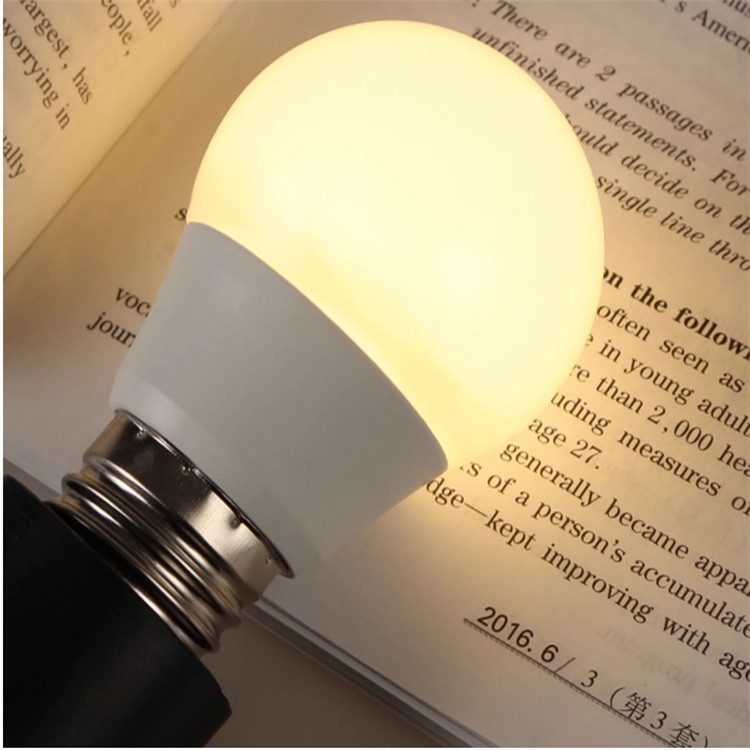
https://www.benweilighting.com/professional-lighting/low-power-led-light-bulb.html
Research has shown that adequate lighting may improve worker productivity and reduce absenteeism rates. This is one of the many benefits of having enough lighting. It is possible for workers to have headaches, exhaustion, and eye strain as a result of poor lighting conditions, which may have a detrimental impact on their ability to concentrate and their motivation. Making the switch to LED bulbs may assist enhance the lighting environment and contribute to the creation of a more productive ambiance in the workplace.
5. Improvements in safety: LED lights produce less heat than conventional bulbs, which means that they reduce the likelihood of fires that are caused by overheating. The fact that they are far more robust than conventional bulbs means that there is less of a chance that they will break, and there is also less of a chance that they may cause injuries due to shattered glass.
6. Adaptability: LED bulbs are available in a wide range of sizes and forms, and they may be used in a number of various environmental conditions. They are suitable for use in a variety of applications, including task lighting, outdoor illumination, and even specialised applications like medical lighting. This indicates that companies are able to locate the LED bulbs that are suitable for their particular requirements.
In general, those business establishments that are interested in lowering their energy consumption and being more ecologically friendly may consider making the move to LED lights that have a low power consumption. Making the switch to LED bulbs is an investment that is well worth making for any company because of the several advantages it offers, including enhanced illumination quality, higher productivity, and enhanced safety.





