

Lighting is an important aspect of animal welfare and productivity in farming. Proper lighting can help maintain a comfortable and stress-free environment for animals, and ultimately increase their overall health and productivity.
Research has shown that light stimulates the production of melatonin, a hormone that is crucial for regulating the animal's circadian rhythm. The secretion of melatonin is essential for maintaining healthy growth, reproduction and overall well-being of the animal. Therefore, it is important to ensure that animals receive an adequate amount of light exposure during the day and a consistent light-to-dark schedule at night.
One way to achieve this is through the use of artificial lighting systems. These systems can provide a consistent level of light, regardless of the outside conditions, and can be easily adjusted based on the animal's needs. The type of lighting used is also important, as different animals have different lighting requirements. For instance, chickens require a bright white light, while pigs require a dimmer light to prevent stress.
Moreover, the placement of light fixtures can also impact animal welfare. For example, lights placed directly in front of a feeding trough can cause stress and discomfort for animals by creating glare. On the other hand, placing lights on the walls or ceiling can provide a more even distribution of light, which promotes animal comfort and well-being.
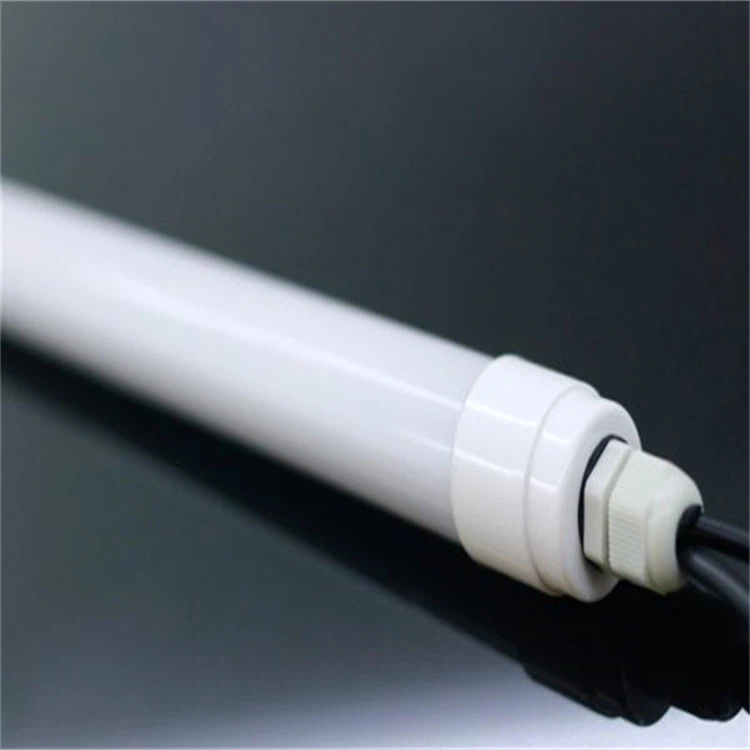
https://www.benweilighting.com/agricultural-lighting/poultry-lighting/cattle-penpoultry-light.html
Another aspect to consider is the duration of light exposure. Research has shown that animals require a specific amount of light exposure per day, depending on their species and development stage. For instance, laying hens require 14-16 hours of light per day to maintain healthy egg production. Conversely, broiler chickens require a shorter period of light exposure (12-14 hours per day) to promote healthy development.
Proper lighting can also impact the productivity of animals. For example, studies have shown that cows exposed to longer periods of light per day produce on average 7% more milk than those exposed to shorter periods of light. Similarly, broiler chickens exposed to consistent levels of light per day can achieve better feed efficiency and weight gain.
In conclusion, lighting is an important aspect of animal welfare and productivity in farming. Ensuring that animals receive the appropriate amount and quality of light exposure can help maintain a comfortable and stress-free environment while promoting healthy growth and productivity. It is important for farmers to carefully consider the type, placement, and duration of lighting systems used, based on the needs of their specific animals.





