As we all know, light is essential for plant growth and development. It serves as the fundamental energy source that powers photosynthesis, the core biological process that allows plants to convert carbon dioxide and water into nutrients, sugars, and biomass to sustain all life activities. Without adequate and suitable light, plants cannot complete normal growth cycles, leading to common problems such as stunted growth, pale foliage, sparse branches, poor flowering, and low fruit yield, whether in outdoor gardens or indoor greenhouse environments. When it comes to greenhouse gardening, choosing a suitable lamp that can provide the right light spectrum is critical for the success of your plants. Many novice greenhouse growers only focus on light brightness and lighting duration while ignoring the core role of light spectrum, resulting in wasted energy and unsatisfactory plant growth results even with high-power grow lights. In this article, we will discuss the importance of light spectrum in choosing a greenhouse lamp and the different types of light spectra that are beneficial for plant growth, helping all gardening enthusiasts make scientific, targeted lighting choices for their greenhouse plants.
Why Is Light Spectrum So Important?
Each plant species requires a specific light spectrum for optimal growth and development. Unlike ordinary visible light that human eyes perceive, the light spectrum for plant growth refers to a specific range of light wavelengths that plants can absorb and utilize for photosynthesis and physiological regulation. Different types of plants, including leafy greens, flowering ornamentals, fruiting vegetables, and herb plants, have evolved unique light absorption habits based on their natural growth environments, making spectrum matching a prerequisite for vigorous plant growth. The light spectrum determines the intensity, quality, and duration of light that the plants receive, forming the core foundation of a stable and efficient plant growth light environment. While light intensity controls the amount of energy plants obtain and light duration affects the accumulation cycle of nutrients, light spectrum fundamentally decides how plants absorb and convert light energy to regulate their internal physiological mechanisms. The light spectrum also plays a crucial role in controlling the various stages of plant development, from seed germination and seedling rooting to vegetative growth, bud differentiation, flowering, and fruiting. For example, for vegetative growth, plants require more blue light, which stimulates cell differentiation in leaves and stems to build sturdy plant structures, while for flowering and fruiting, they need more red light to promote nutrient accumulation and reproductive growth. Even subtle changes in spectral ratio can directly affect plant morphology, growth speed, and final yield and quality. Therefore, it is essential to match the light spectrum of the greenhouse lamp to the light needs of the plants you are growing. Blindly using universal grow lamps cannot maximize plant growth potential, and precise spectrum matching is the key to high-yield and high-quality greenhouse planting.
Types of Light Spectra for Plant Growth
There are various types of light spectra that are beneficial for plant growth. Let's take a look at some of them:
1. Full Spectrum
The full spectrum is the closest to natural sunlight and comprises all the colors of the visible light spectrum that plants need for growth. It covers complete wavelength ranges including blue, green, red, and intermediate light bands, perfectly simulating the comprehensive light environment of natural sunlight that plants adapt to in outdoor natural growth conditions. Full-spectrum lamps are excellent for seedlings, as they mimic natural sunlight, giving plants the right kind of light at each stage of development. For fragile and tender seedlings in the early growth stage, a stable full-spectrum light environment can avoid growth disorders caused by single-spectrum bias, effectively promoting healthy rooting, uniform seedling emergence, and neat leaf growth. Moreover, full-spectrum lamps are not only limited to seedling cultivation; they are also suitable for the entire growth cycle of most indoor foliage plants and general greenhouse crops. They can maintain balanced plant growth, prevent excessive leggy growth, and lay a solid foundation for subsequent vegetative growth and reproductive development, making them a versatile and beginner-friendly option for daily greenhouse gardening.
2. Blue Spectrum
Blue spectrum light is ideal for vegetative growth, and it promotes short and stocky plant growth, which is extremely critical for cultivating robust plant seedlings and high-quality foliage plants. Blue light mainly acts on the chloroplasts of plant leaves, improving photosynthetic efficiency, promoting the synthesis of chlorophyll, and inhibiting excessive elongation of plant stems. Plants under sufficient blue spectrum light will grow compact and neat, with thick leaves, dark leaf color, and strong stem toughness, effectively avoiding the common problem of leggy growth caused by insufficient light in greenhouses. This type of light is also used to supplement natural light during the winter months, when sunlight is scarce. In winter, natural light is weak, single, and short in duration, and the lack of blue light in ambient light often leads to weak seedling growth and poor plant resistance. Supplementing blue spectrum light in winter can effectively make up for natural light defects, enhance plant photosynthesis, improve plant cold resistance and disease resistance, and ensure continuous stable vegetative growth of greenhouse plants in low-light seasons.
3. Red Spectrum
Red spectrum light is best for flowering and fruiting, as it promotes plant growth and improves yield, serving as the core spectral band for plant reproductive growth. Red light can effectively stimulate the differentiation of plant flower buds, accelerate the transportation and accumulation of photosynthetic products to flowers and fruits, increase the number of flower buds, reduce flower and fruit drop, and significantly improve crop yield and fruit quality. For greenhouse flowering plants such as roses and petunias, and fruiting crops such as tomatoes and strawberries, red spectrum supplementation in the flowering and fruiting period is an essential measure to boost harvests. This type of light is also used during the vegetative stage to encourage stem growth. Proper red light proportion in the vegetative growth stage can coordinate with blue light to promote healthy stretching of plant stems, ensure reasonable plant height and branch distribution, build a good plant growth framework, and create favorable conditions for later flowering and fruiting expansion.
4. Far Red Spectrum
Far red light, as a supplementary spectral band different from conventional red light, has unique regulatory effects on plant growth cycles. Far red light is used to trigger and accelerate the flowering process, especially suitable for short-day plants that require specific light cycle induction to bloom. It can adjust the plant's photoperiod perception, break flowering dormancy, advance the flowering time, and concentrate the flowering period, which is very valuable for greenhouse commercial planting that pursues centralized listing and long flowering periods. It is also used in combination with blue spectrum light to promote vegetative growth. The scientific combination of far red light and blue light can balance plant compactness and growth speed, avoid the problems of slow growth caused by excessive single blue light, and realize fast and sturdy vegetative growth of plants, perfectly balancing growth quality and growth efficiency.
5. UV Spectrum
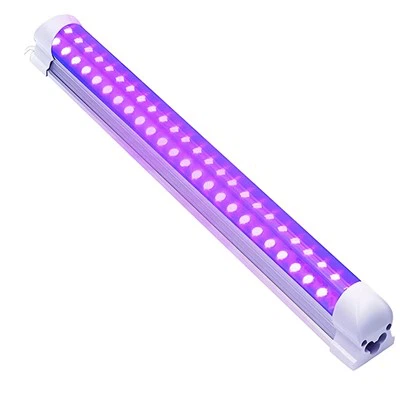
Ultraviolet (UV) light is beneficial for plant growth, as it stimulates the production of natural plant compounds such as oils, pigments, and flavonoids. These natural compounds are key to improving plant quality: pigments can make flower colors brighter and fruit hues more uniform, while flavonoids and essential oils can enhance the disease resistance and stress resistance of plants, and improve the flavor and nutritional value of edible crops such as vegetables and herbs. Appropriate UV spectrum supplementation can significantly improve the commercial value and ornamental value of greenhouse plants. However, too much UV light can damage plants, burning leaf tissues, destroying chlorophyll, and inhibiting normal photosynthesis, so it should be used sparingly. In actual greenhouse lighting applications, low-dose and regular UV supplementary lighting is the most scientific way, which can exert quality-improving effects without causing growth damage to plants.
Choosing the Right Lamp for Your Plants
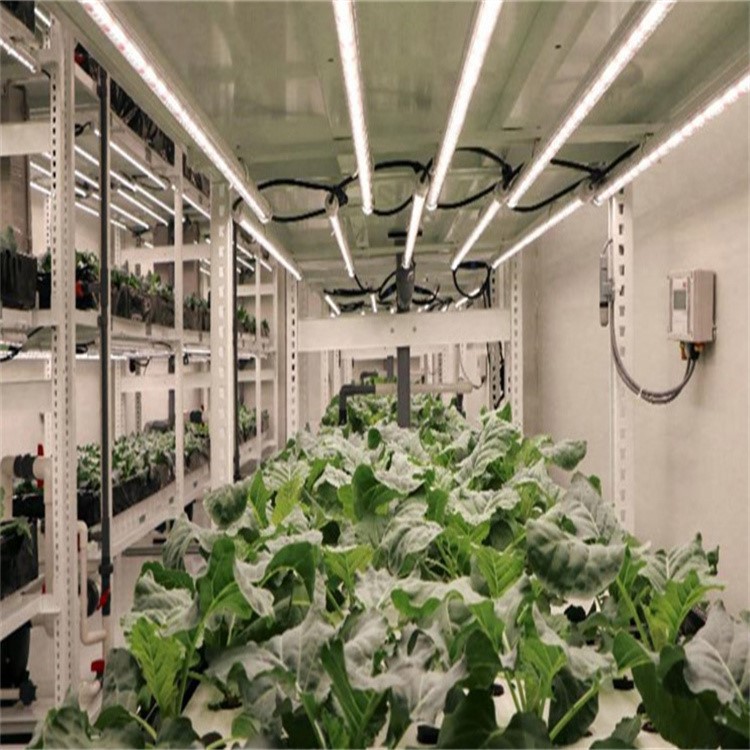
When choosing a greenhouse lamp for your plants, consider the light spectrum that your plants require for optimal growth and development. Different types of plants and different growth stages correspond to completely different spectral ratio requirements, so targeted selection is far more important than blindly pursuing high power and low price. You need to clarify the main growth goals of your greenhouse plants: seedling cultivation focuses on full-spectrum and blue-light dominant lamps, foliage plant maintenance leans towards balanced full-spectrum lamps, and flowering and fruiting crops need lamps with increased red and far red spectrum ratios. Select a lamp that provides the right spectrum, and ensure that it is of high quality and energy-efficient to ensure long-term stable use and low planting cost. LED (Light Emitting Diode) lamps are a popular choice for greenhouse lighting, as they are long-lasting, energy-efficient, and can be customized to emit the required light spectrum. Compared with traditional incandescent and fluorescent grow lights, LED greenhouse lamps have lower heat generation, higher light energy utilization rate, longer service life, and more flexible spectral customization functions, which can accurately match the spectral needs of various plants in different growth stages, becoming the most cost-effective and practical choice for modern greenhouse gardening.
In conclusion, the importance of light spectrum in choosing a greenhouse lamp cannot be overstated. Light spectrum is the core factor that determines the growth state, development cycle, and final quality and yield of greenhouse plants, and it is also the most easily overlooked key point in indoor planting. Different plant species require different light spectra to thrive, and matching the light spectrum of the lamp to the light needs of your plants is crucial for their growth and development. A reasonable spectral matching scheme can completely activate the growth potential of plants, make up for the deficiencies of natural light, and solve various growth problems such as slow growth, poor flowering, and low yield in greenhouse environments. With the right lighting, your greenhouse can produce healthy and robust plants that yield excellent results, whether you are growing ornamental flowers, fresh vegetables, or aromatic herbs. Mastering the law of light spectrum application will make your greenhouse gardening more scientific, efficient, and productive, allowing you to harvest lush, high-quality plants all year round.

How To Cooperate With Us?
Because we have our own facilities, we are pleased to have complete control over the production process and the quality of our goods. We are committed to giving our clients the finest prices since we are manufacturers rather than just brokers. We encourage clients to look at our samples first since we are certain that the cost and quality of our items are transparent. Our dedication to excellence and client happiness motivates us to consistently provide superior products.
Our address
3rd Floor, 5th Building, Hebei Industrial Park, Hualian Community, Longhua District, Shenzhen, China