

The way in which we cultivate plants, vegetables, and herbs has been completely transformed by horticultural lighting. Growers who cultivate plants inside and those who own greenhouses have been aware for a long time of the advantages of using artificial light to stimulate photosynthesis and plant development. However, when it comes to the growth and development of plants, not all sources of light are made equal despite their similarities. When it comes to the effectiveness of a grow operation, one of the most important variables is the quality of the light spectrum that is used in the lighting of horticultural plants.
Photosynthesis is the process by which plants transform the energy supplied by light into the energy required for chemical reactions. This procedure is necessary for the development of plants as well as the creation of produce such as fruits and flowers. Because of this, horticultural lighting is an extremely important factor in determining the quality, productivity, and taste of any given crop. Growers must make use of light spectrums that are most suitable for the requirements of their crops in order to get the greatest possible outcomes.
Micrometers (nm) are the units of measurement for the spectrum of light that is used in horticulture lighting. This spectrum extends from 400 to 700 nanometers. The effects of various light spectrums on the growth and development of plants are entirely distinct from one another. For example, blue light, which ranges from 400 to 500 nanometers, is necessary for the development of leaves and the growth of seedlings, but red light, which ranges from 600 to 700 nanometers, encourages blooming and fruiting.
Depending on the kind of crop, various light spectrums could be more suitable for achieving optimum flowering and development. As an example, leafy greens like lettuce and spinach grow when exposed to a greater amount of blue light, but fruiting plants like tomatoes and strawberries need a greater amount of red light.
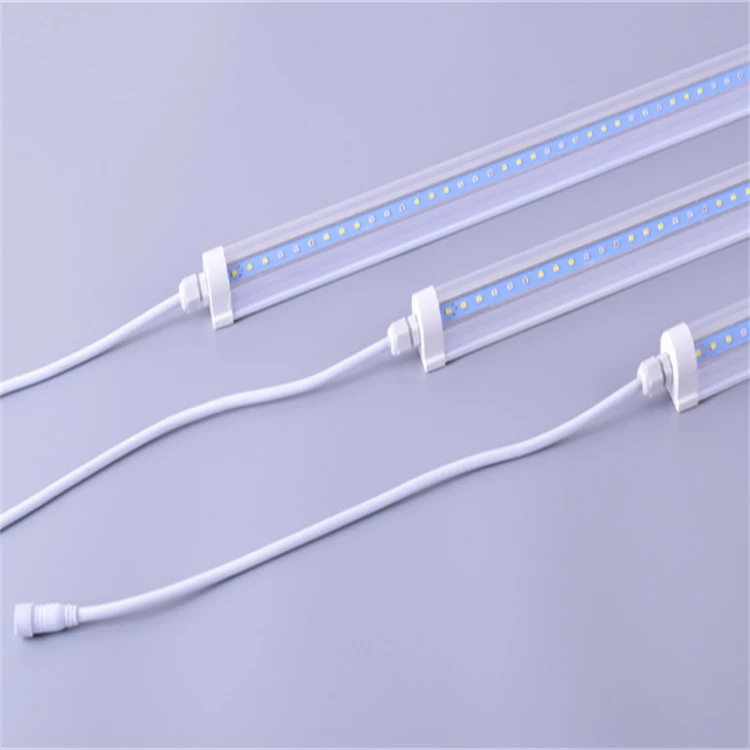
https://www.benweilighting.com/agricultural-lighting/plant-lighting/horticultural-light.html
Growers, on the other hand, should also take into consideration the effect that light intensity and duration have on the development of plants. Any amount of light, whether it be too much or too little, may be damaging to the growth of a plant. In order for plants to generate the highest possible yields, they need a balance of light intensity and duration.
Growers now have the ability to customize the light spectrum, intensity, and duration of their production thanks to the development of advanced horticulture lighting systems. Grow lights that use LEDs are one example of this kind of technology. Traditional lighting sources produce more heat than LED grow lights, which are more energy efficient and produce less heat overall. Furthermore, they may be modified to generate the optimal mix of spectrums, which enables farmers to adjust their grow operations to the unique needs of the crops they are cultivating.
In a nutshell, the light spectrum that is used in the lighting of horticultural plants is an essential component in the growth and development of plants. On the other hand, the incorrect spectrum may lead to a decrease in production and quality, while the appropriate spectrum encourages healthy foliage, blooming, and fruiting. It is essential that growers take into consideration the individual needs of their crops and effectively regulate the intensity and duration of light in order to obtain the best possible outcomes.
Furthermore, sophisticated horticulture lighting technologies such as LED grow lights provide gardeners with an unprecedented level of control over the light spectrum, intensity, and duration of the light. Growers have the ability to maximize their crop yields and produce fruits, vegetables, and herbs of superior quality if they have access to the appropriate illumination.





