

Fireproof lighting is an essential factor in promoting safety in buildings and other structures. Unlike ordinary decorative lighting that only serves daily illumination purposes, fireproof lighting is a core part of building passive fire safety systems, widely installed in residential buildings, commercial offices, shopping malls, industrial factories, warehouses and various public infrastructure spaces. It undertakes irreplaceable safety protection responsibilities in emergency fire scenarios and is a key facility to guarantee building operational safety and personnel life safety. It is specifically designed to provide illumination in areas that are prone to fire outbreaks, ensuring that any fire that may occur can be easily detected and extinguished. In high-risk areas such as equipment rooms, corridor passages, closed stairwells and storage areas with flammable materials, fireproof lighting can maintain stable lighting output even in high-temperature and smoky fire environments, helping staff and rescue workers quickly find fire points and carry out fire extinguishing operations. However, for fireproof lighting to be effective, it requires regular maintenance to ensure it is in proper working condition. Many building managers and property owners fall into a common misunderstanding that fireproof lighting is a fixed installation device that does not need daily management after installation. In fact, like all electrical safety equipment, fireproof lighting will experience component aging, performance attenuation and hidden fault risks after long-term standby operation. This article discusses the importance of regular maintenance for fireproof lighting and why it should not be overlooked.
The primary purpose of fireproof lighting is to provide illumination in emergency situations. In daily normal operation scenarios, fireproof lighting is usually in a standby state and will not be frequently started and used, which makes it easy for people to ignore its working status. Once a sudden fire breaks out, conventional power supply systems are often cut off automatically due to short circuits, high temperature damage and fire linkage protection, resulting in overall power failure and darkness inside the building. At this critical moment, fireproof lighting will be activated automatically to take over the emergency lighting work of the whole space. It helps to guide occupants to safety by highlighting exit paths and corridors. Clear and stable emergency lighting can eliminate visual blind spots caused by smoke and darkness, help panicked occupants quickly identify evacuation directions, avoid confusion and stampede accidents, and greatly improve the success rate of safe evacuation. Without proper maintenance, the lighting system may malfunction or fail to function altogether, thus compromising the safety of occupants in the event of a fire outbreak. Problems such as aging backup batteries, loose wiring and damaged lamp beads will not show obvious abnormalities in standby state, but will directly lead to system failure in emergencies. Regular maintenance ensures that all components of the lighting system, including bulbs, wiring, and batteries, are checked and replaced if necessary, making sure that the system remains reliable. Professional and regular inspection and maintenance work can comprehensively check every core component of the fireproof lighting system, eliminate hidden dangers in advance, and ensure that the equipment can be started normally and operate stably at any emergency moment.
Regular maintenance of fireproof lighting allows for early detection of potential problems, such as faulty wiring and damaged parts. Buildings have complex internal electrical environments, and fireproof lighting equipment will be affected by long-term temperature changes, dust accumulation, humid air and electrical load fluctuations during long-term operation. These subtle environmental influences will gradually cause wiring aging, interface looseness, shell damage and internal component failure. These potential faults are hidden and difficult to be found by daily visual observation, but they will become major safety hazards over time. Such problems can be fixed immediately before they cause significant damage or failures, thus eliminating the potential for fire outbreaks. Faulty wiring is one of the main causes of building electrical fires. Untreated aging and damaged circuits may spark and ignite surrounding flammable materials, triggering secondary fire accidents. Timely maintenance and troubleshooting can completely cut off such hidden danger sources. By being proactive about maintenance, building owners and managers can avoid costly repairs and replacements, as well as minimize the risk of fire damage. Planned regular maintenance belongs to low-cost daily management work, while post-failure maintenance and fire accident loss remediation often require huge economic costs. Proactive maintenance can extend the service life of fireproof lighting equipment, reduce overall equipment replacement costs, and avoid massive property losses and safety accidents caused by equipment failure.

Running routine maintenance checks on fireproof lighting is also essential to ensure that the system meets the set safety standards. The installation and use of building fireproof lighting have clear and unified industry codes and national safety standards, which put forward strict requirements on equipment brightness, emergency duration, lighting coverage, fire resistance performance and standby stability. These standardized requirements are formulated based on a large number of fire accident cases and safety test data, aiming to ensure that the equipment can play an effective protective role in extreme fire scenarios. Regular inspections and maintenance ensure that the lighting illuminates the necessary safety routes and exits as required by the codes and standards. With the aging of equipment, the brightness of lamp beads will attenuate, the battery standby time will be shortened, and the lighting range will be narrowed, which will gradually make the equipment fail to meet the standard requirements. Timely maintenance and calibration can restore the equipment's standard working performance and ensure that all evacuation routes, safety exits and fire-fighting passages are fully covered by effective emergency lighting. Meeting the set standards also ensures compliance with local fire safety regulations, which is essential in avoiding legal liabilities. All regions have mandatory fire safety inspection regulations for commercial and public buildings. Unqualified fireproof lighting systems will lead to unqualified fire protection acceptance, resulting in rectification notices, administrative penalties and even business suspension losses. Standardized maintenance can help buildings pass regular fire safety inspections smoothly and avoid unnecessary legal and operational risks.
Furthermore, regular maintenance checks on fireproof lighting help identify early signs of wear and tear, such as dimming of lights. Long-term standby operation, frequent power switching and environmental erosion will cause gradual wear and tear on fireproof lighting equipment. Dimming light, slow startup, abnormal standby power consumption and slight circuit noise are all early warning signs of equipment aging and failure. Most users tend to ignore these minor problems, but they are important precursors to complete equipment failure. Addressing such issues guarantees that the system remains in proper working condition, providing adequate illumination in emergencies. Timely replacement of aging lamp beads, failure batteries and damaged lines can keep the entire fireproof lighting system in the best working state at all times, ensuring sufficient and uniform illumination in fire emergencies to support safe evacuation and fire rescue work. A well-maintained fireproof lighting system provides occupants with peace of mind, knowing that there are adequate measures in place to ensure their safety in case of an emergency. Whether it is office workers in commercial buildings, residents in residential communities or staff in industrial workshops, complete and reliable fire safety facilities can eliminate people's safety concerns and create a stable and safe building use environment.
In conclusion, regular maintenance of fireproof lighting is critical in ensuring it is working correctly, meets safety standards, and provides adequate illumination in emergencies. Fireproof lighting is not a one-time installation facility but a long-term safety guarantee system that requires continuous management and maintenance. Its value is reflected in emergency rescue scenarios that may occur at any time, and its normal operation is directly related to the life safety of all building occupants and the property safety of the entire building. Neglecting maintenance can lead to a malfunctioning lighting system, rendering it useless during emergencies, and putting the safety of occupants at risk. Once the fireproof lighting system fails due to lack of maintenance, the building will fall into darkness in the event of a fire, greatly hindering personnel evacuation and fire rescue, and easily causing unnecessary casualties and property losses. Buildings owners and managers should, therefore, prioritize regular maintenance of fireproof lighting to guarantee proper functioning and promote safety. Formulating a standardized and regular maintenance inspection mechanism, conducting regular equipment detection, troubleshooting and component replacement, is the most effective way to maintain the long-term effectiveness of fireproof lighting, and is also an indispensable key link in building daily safety management and risk prevention and control.
How To Cooperate With Us?
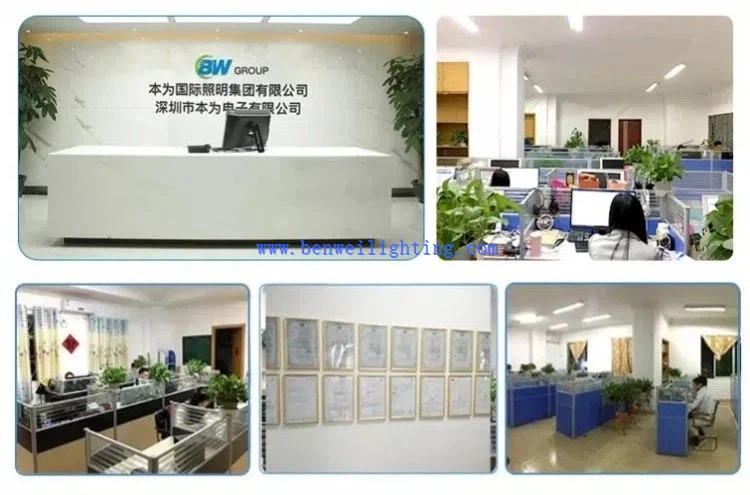
We are happy to have total control over the manufacturing process and the calibre of our products since we have our own facilities. Since we are producers rather than just brokers, we are dedicated to providing our customers with the best pricing. Since we are certain that the price and quality of our products are clear, we invite customers to see our samples first. Our commitment to quality and customer satisfaction drives us to continuously provide top-notch goods.
Our address
3rd Floor, 5th Building, Hebei Industrial Park, Hualian Community, Longhua District, Shenzhen, China





