

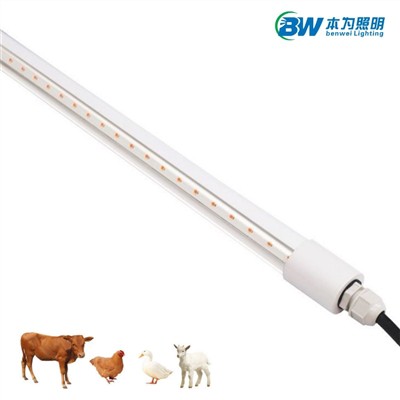
A chicken lamp: what is it? knowledgeable on managing light in poultry production
The chicken lamp has emerged as a crucial piece of equipment in contemporary poultry production. By precisely controlling the lighting conditions, this unique lighting system for the chicken house has a direct impact on the development and growth of the birds, the efficiency of their egg production, and their general health. Unlike regular lighting, chicken lamps must precisely regulate the duration of temperature, color, and light intensity based on the physiological traits of poultry in order to provide the best possible growth conditions for hens.
The primary function of a chicken lamp
The chicken lamp's primary purpose is to replicate the ideal lighting conditions for poultry growth. Appropriate light can encourage appetite in chicks and aid in digestion and absorption; intelligent light control helps keep laying hens' laying cycle steady. Under the right lighting conditions, broilers may sustain greater activity, which promotes muscular growth. By changing the color of the light, modern chicken lights can also influence how the birds behave. For example, blue light can have a relaxing impact, while red light can assist lessen the featherpecking phenomena.
The three primary types of chicken lights currently available on the market are LED, energy-saving, and conventional. Because LED chicken lights are long-lasting, energy-efficient, and include dimming features that allow you to easily change the brightness to suit your farming needs, they are growing in popularity. Small farms can use the reasonably priced, energy-efficient poultry lamp. Other unique features of the chicken lights include intelligent models with automatic control systems that can automatically alter the light intensity and switching time based on the environment, or outdoor ones that are waterproof and dustproof.
Useful suggestions for selecting a chicken light
When selecting a chicken light, there are a number of important considerations. The size of the coop and the breeding density determine the proper power and light intensity, which is the first phase. Second, consider the lamp's level of protection, particularly in the high-humidity henhouse setting. To guarantee that the light covers the whole coop, installation position and angle are also crucial. It is advised that large farms select poultry lamps with intelligent control systems, which may accomplish automatic light management and significantly lessen the workload associated with human operation. To guarantee the chicken lamp's long-term durability, routine cleaning of the lampshade and line inspection are also essential maintenance procedures.
In addition to increasing breeding efficiency, the scientific application of chicken lighting may also greatly enhance the health of hens. The functions of chicken lamps are continuously evolving along with breeding technology, offering more clever and effective lighting solutions for contemporary poultry production. Selecting the appropriate chicken lamp can have a significant positive financial impact on any size farm, whether it is a huge commercial operation or a small family farm.
If you are interested, feel free to contact us https://www.benweilighting.com/contact-us.





