

Light Emitting Diodes (LEDs) initially emerged as red lights in pocket calculators and digital timepieces during the 1960s.
Currently, white LEDs are utilized in several applications, including automotive headlights, camera flashes, and residential lighting.
The initial LED street lights were rated at 4,000 Kelvin or above on the color temperature scale.
The most recent LEDs exhibit reduced Kelvin ratings, emitting a gentler amber light and diminished levels of potentially dangerous blue light.
Manufacturers assert that they are up to 50% more energy-efficient than conventional yellow sodium lights and have a lifespan of up to 20 years, compared to two to five years.
"We seek more tangible evidence regarding the situation with these lights," he states. "If it is indeed an issue, contingent upon a specific intensity of illumination, we seek to ascertain that." The AMA report failed to provide the requisite empirical facts necessary for a substantial procurement decision.
He is supervising the tendering process for the subsequent phase of Washington's LED conversion, which he assures will be executed with greater sensitivity, incorporating lower Kelvin ratings, improved shading, and remote controls, allowing for the adjustment of light intensity at various times to accommodate the specific requirements of different neighborhoods.
However, he asserts: "To be candid, humans are not designed for change." Upon returning home, we observe an altered illumination. Despite the superior quality of the light, there will inevitably be a reaction: 'Oh my gosh, it's a different light, what transpired?'
Many of the reasons currently presented against LED lights were similarly articulated in the early 1970s, during the transition of cities to the familiar yellow sodium lights.

Replacement mercury vapour bulbs utilized more energy than high-pressure sodium bulbs. However, some campaigners, such Vancouver artist Ralf Kelman, claimed that their "antiseptic orange" light was too strong and would damage young trees and block out the stars.
Some experts suggest they can greatly improve star sight when directed.

Some argue that the topic goes beyond Kelvin ratings, light pollution, and carbon emissions to address city dwellers' quality of life.
"When the lighting is right you have a sense of peace and contemplation, of aesthetic joy in the world," says novelist Lionel Shriver, who campaigns against LEDs in South Brooklyn, where she lives part of the year.
"I don't think she can stop the LEDs. Energy savings are excessive. Money savings are too substantial. Just saying 'but it's not pretty' won't stop these things.
"LED technology has grown so much that economy, ecology, and aesthetics no longer have to be chosen. Both are possible.
"What is going on in some cities, in New York especially, that is what I am most familiar with, amounts to a kind of widespread civic vandalism."
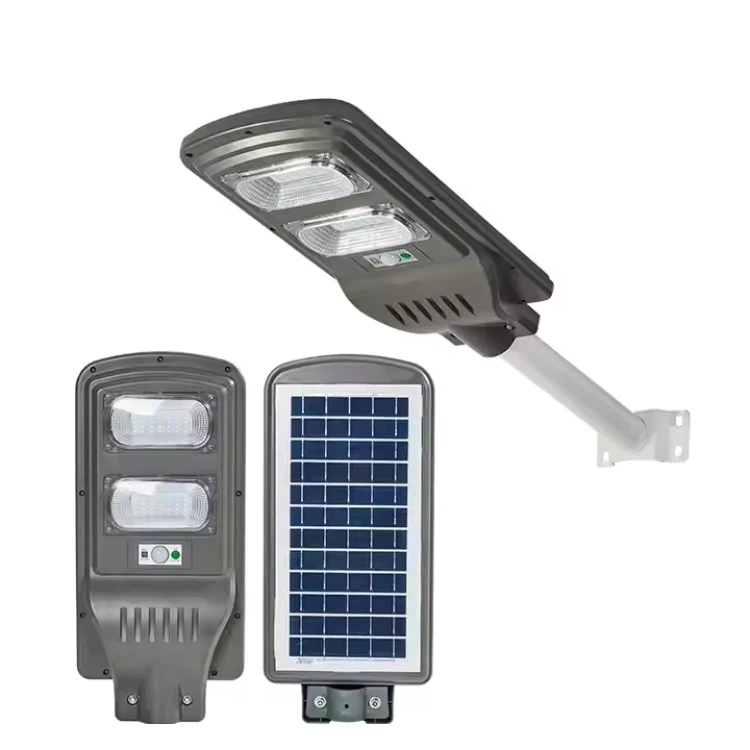
Shenzhen Benwei Lighting Technology Co., Ltd was established in 2010. It is a national high-tech enterprise integrating design, R&D, production and sales of indoor and outdoor lighting products and also can do OEM ,ODM .For more details about our offerings, please contact us at bwzm18@ledbenweilighting.com





