

UV sanitizing lamps have gained a lot of popularity lately due to their ability to effectively kill germs and bacteria. In modern daily life, people pay increasing attention to environmental hygiene and personal health, especially in home living spaces, office environments and public areas that are prone to germ accumulation. Traditional cleaning methods such as wiping, mopping and spray disinfection can remove most surface dirt, but often leave hidden microbial pathogens that are invisible to the naked eye. These tiny bacteria, viruses and microorganisms can easily cause cross-infection and affect physical health. As a physical disinfection tool with high efficiency and convenience, UV sanitizing lamps have gradually become a mainstream hygiene protection device for families and commercial spaces. But how do these lamps work? Many users only recognize their powerful sterilization effect but lack in-depth understanding of their internal working principles and scientific mechanisms. In this article, we'll explore the science behind UV sanitizing lamps and how they are able to eliminate harmful pathogens, helping everyone use UV sanitizing lamps more scientifically and safely.
UV, short for ultraviolet, is a type of radiation that has a wavelength shorter than visible light. In the complete spectrum of sunlight, ultraviolet radiation is located outside the visible light band, which cannot be perceived by human eyes, but it exists widely in the natural environment and has a unique impact on organisms. Different from the warm and visual effect of visible light, ultraviolet radiation has special physical and biological activity, which is the core reason for its sterilization performance. UV radiation is categorized into three types: UV-A, UV-B, and UV-C. These three types of ultraviolet radiation differ greatly in wavelength, penetration ability and biological effects, and each has completely different functions and impacts on the human body and microorganisms. While UV-A and UV-B are responsible for causing sunburns and skin cancer, UV-C is the type of UV radiation that is used in UV sanitizing lamps. UV-A has the longest wavelength among the three, with strong penetration, which can penetrate human skin epidermis and cause skin aging and pigmentation. UV-B with medium wavelength will burn the skin surface, cause redness and sunburn, and long-term exposure will damage skin cells and induce cancer risks. In contrast, UV-C has the shortest wavelength and the weakest penetration, but it has the strongest microbial inactivation ability, which is precisely screened and utilized by sanitizing lamp technology.
UV-C radiation has a wavelength range of 200 to 280 nanometers and is extremely effective in killing a wide variety of bacteria, viruses, and other microorganisms. This specific wavelength band is defined as the sterilization golden band in the industry, which can accurately act on the genetic structure of microorganisms without causing invalid energy loss. Common harmful pathogens such as E. coli, staphylococcus, influenza virus, mold spores and daily parasitic microorganisms on indoor surfaces can be effectively inhibited and eliminated by UV-C radiation. UV-C light works by damaging the DNA of microorganisms, preventing them from replicating and causing infection. All living microorganisms rely on complete DNA and RNA genetic structures to complete cell division, replication and proliferation. Once the genetic chain is destroyed, microorganisms will lose their basic survival and reproduction capabilities. When bacteria or viruses are exposed to UV-C radiation, it disrupts their genetic material, rendering them harmless. After the UV-C light irradiates the surface carrying pathogens, it will break the molecular chain of microbial DNA and RNA, cause gene mutation and structural damage, make the microorganisms unable to divide and reproduce, and finally die completely or lose their pathogenic activity, so as to achieve the purpose of thorough sterilization and disinfection.
UV-C radiation is so effective that it is commonly used in hospitals and other healthcare facilities to disinfect surfaces and equipment. Medical scenarios have extremely high standards for environmental hygiene, requiring thorough elimination of drug-resistant bacteria, infectious viruses and conditional pathogens to avoid hospital-acquired infections. Therefore, professional medical institutions have long taken UV-C disinfection as a standard and essential disinfection method, widely used in ward disinfection, operating room sterilization, medical equipment surface purification and air disinfection. Compared with chemical disinfection agents, UV-C physical sterilization has no chemical residue, no peculiar smell and no secondary pollution, which is safer and more efficient. However, the problem with using UV-C radiation is that it can also be harmful to humans. The strong biological activity of UV-C that can kill microorganisms also has a destructive effect on human skin and mucosal tissues. Prolonged exposure to UV-C radiation can cause skin damage and increase the risk of skin cancer. Short-term direct irradiation will cause skin redness, itching and peeling, and long-term cumulative exposure will damage skin cell genes and bring potential cancer risks. In addition, direct eye exposure will also cause corneal damage and photokeratitis, which is why traditional UV-C disinfection equipment has great limitations in civilian scenarios.

This is where UV sanitizing lamps come in. Combining advanced optical technology and safety design, civilian UV sanitizing lamps perfectly solve the safety pain points of traditional UV-C disinfection equipment, realizing the coexistence of high-efficiency sterilization and human body safety. These lamps use a specific type of UV-C radiation that is safe for human exposure. After professional spectral calibration and energy control, the UV-C radiation released by household and commercial UV sanitizing lamps is screened and optimized to avoid excessive radiation intensity that harms human tissues. They are designed to emit a high dose of UV-C radiation in a short amount of time, effectively killing germs and bacteria without causing harm to humans. Through precise energy control technology, the lamp can gather effective sterilization light energy in a short period of time, quickly destroy microbial genetic structures to complete disinfection, while controlling the radiation range and intensity within the safe threshold of human contact, adapting to daily home and office environment use, and breaking the limitation that traditional UV disinfection can only be used in unmanned environments.
When using a UV sanitizing lamp, it's important to follow the manufacturer's instructions carefully. Although modern UV sanitizing lamps have safety optimization, standardized operation is still the key to ensuring disinfection effect and use safety. Every brand of UV sanitizing lamp has exclusive parameter settings, irradiation range and use specifications, and users must operate in strict accordance with official guidelines to avoid safety risks or reduced sterilization efficiency. Make sure that you are using the lamp in a well-ventilated area and that you are not exposing yourself or others to the light. Good ventilation can disperse trace ozone generated during the work of individual UV lamps, keeping the indoor air fresh and comfortable. Avoiding human and pet exposure during operation can completely eliminate potential radiation risks and ensure safe use of equipment. It's also important to note that UV sanitizing lamps are not effective in killing all types of bacteria and viruses. A small number of special microbial spores and highly resistant viruses have strong tolerance to UV-C radiation, and conventional irradiation time and intensity cannot completely inactivate them. It's always best to use them in conjunction with other cleaning methods, such as washing surfaces or using disinfectant sprays. The combination of physical UV sterilization and daily chemical cleaning can form a three-dimensional disinfection system, make up for the shortcomings of a single disinfection method, comprehensively remove surface dirt and hidden pathogens, and maximize the hygiene level of the living environment.
In summary, UV sanitizing lamps work by emitting a safe dose of UV-C radiation that damages the DNA of microorganisms, preventing them from replicating and causing infection. Through precise spectral technology and safety energy control, it retains the powerful sterilization performance of UV-C light while avoiding the harm of traditional ultraviolet radiation to human body, becoming a safe and efficient household disinfection tool. While they are not effective in killing all types of bacteria and viruses, they are a useful tool in keeping surfaces and equipment free from harmful pathogens. It makes up for the loopholes of traditional manual cleaning, can efficiently clean invisible microbial pollution on daily surfaces, and greatly reduces the risk of bacterial and viral infection in life. When used correctly, UV sanitizing lamps can help promote a cleaner and healthier environment. With standardized operation and scientific combined cleaning, UV sanitizing lamps can give full play to their physical sterilization advantages, create a sterile, clean and hygienic living and working space for users, and effectively protect the physical health of every family member and office staff.
How To Cooperate With Us?
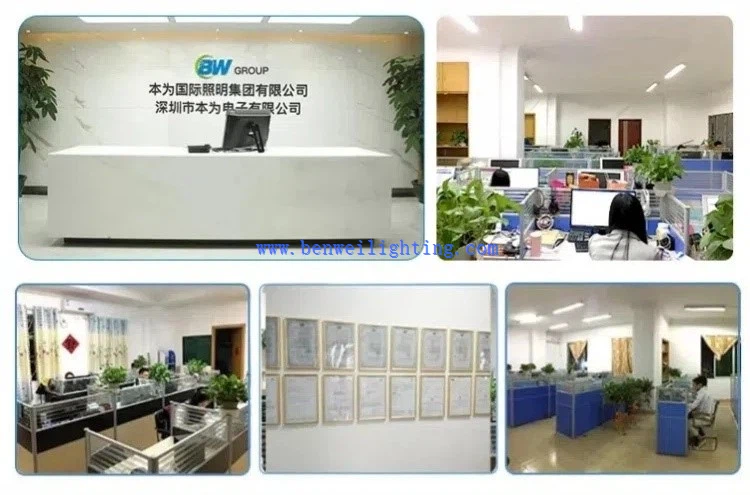
Because we have our own facilities, we are pleased to have complete control over the production process and the quality of our goods. We are committed to giving our clients the finest prices since we are manufacturers rather than just brokers. We encourage clients to look at our samples first since we are certain that the cost and quality of our items are transparent. Our dedication to excellence and client happiness motivates us to consistently provide superior products.
Our address
3rd Floor, 5th Building, Hebei Industrial Park, Hualian Community, Longhua District, Shenzhen, China





