

Introduction: The Crucial Role of Lighting in Poultry Management
Lighting is one of the most influential non-nutritional factors in poultry production. It governs the circadian rhythms, immune responses, and reproductive cycles of chickens. However, the damp, dusty, and ammonia-rich environment of a chicken coop is inherently hostile to standard electrical equipment. Therefore, choosing the "best" LED light requires a multidimensional approach, blending biological science with advanced electrical engineering.
The Biological Impact of Light on Chickens
Chickens are highly photosensitive animals. Their pineal gland and hypothalamus respond directly to light intensity, duration (photoperiod), and spectrum. Proper lighting stimulates the anterior pituitary gland, which regulates the release of hormones crucial for growth and egg production. Insufficient or poorly diffused lighting can lead to stress, feather-pecking, decreased feed conversion ratios, and reduced laying rates. Conversely, high-quality, evenly distributed light promotes natural foraging behaviors, reduces stress, and maximizes the genetic potential of the flock.
Why Traditional Lighting Falls Short
Historically, incandescent or fluorescent bulbs were used in coops. However, these systems suffer from critical flaws. Incandescent bulbs waste over 90% of their energy as heat, which can dangerously raise coop temperatures. Fluorescent bulbs contain toxic mercury and are notorious for flickering, which induces stress in poultry. More importantly, traditional fixtures lack the robust waterproofing required to withstand the high humidity, corrosive ammonia gas, and high-pressure washing associated with coop sanitation. The modern solution must be highly durable, energy-efficient, and biologically optimized.
Core Criteria for Selecting Optimal Coop Lighting
To ensure maximum ROI and flock health, farmers must evaluate lighting solutions based on specific technical and environmental criteria.
Environmental Resistance: The Waterproof Imperative
The primary enemy of electrical equipment in a poultry house is moisture. Condensation from the birds' respiration, liquid manure, and the necessity of sanitizing the coop create a perpetually wet environment.
Understanding Humidity and Ammonia in Coops
Chicken manure breaks down to release ammonia, a highly corrosive gas that attacks standard electrical enclosures, leading to short circuits and fire hazards. Standard light tubes with exposed pins at the ends are susceptible to moisture ingress, causing rapid corrosion of the internal circuitry.
IP Ratings and Connector Integrity
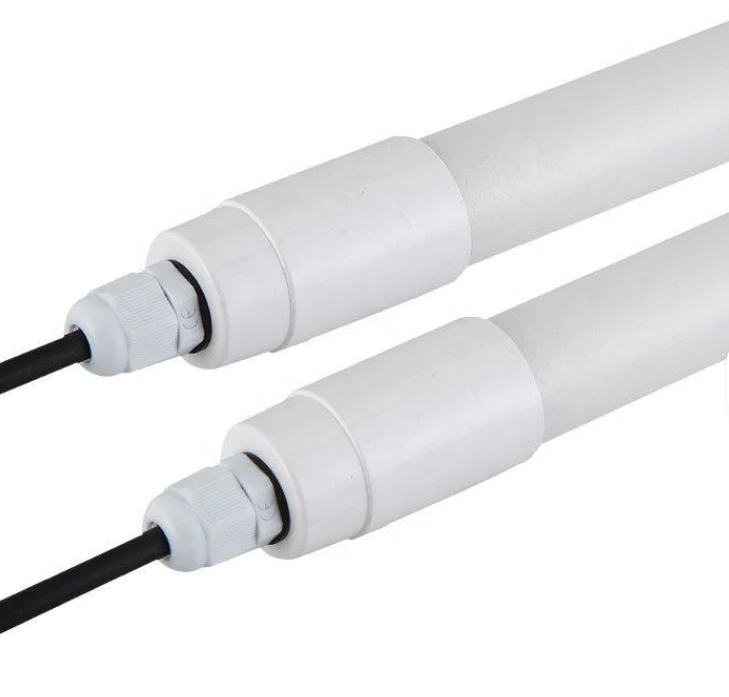
When selecting lights, farmers must look for high Ingress Protection (IP) ratings. The ultimate solution involves a completely sealed unit. This includes utilizing high-efficiency PC diffusion covers and waterproof bases. Look for lights featuring a robust, threaded cable gland-such as a waterproof end cap with a silicone seal-that firmly grips the power cable and prevents moisture from entering the tube. The connection point must be engineered to withstand direct splashes and high humidity without degrading.
Energy Efficiency and Driver Stability
The longevity and reliability of an LED system are directly tied to its power supply (the driver) and thermal management.
The Role of Isolated Drivers
A critical, yet often overlooked, component of LED tube lights is the driver. Non-isolated drivers are cheaper but pose a higher risk of electrical shock and are more susceptible to voltage fluctuations. An isolated driver physically separates the high-voltage AC input from the low-voltage DC output using a transformer. This provides crucial safety, prevents flickering (which harms poultry welfare), and ensures high efficiency and stability, even in farms with unstable power grids.
Heat Dissipation and PCB Technology
LEDs generate heat at the junction level, and excessive heat degrades the phosphors, leading to lumen depreciation. Therefore, a high-quality LED PCB (Printed Circuit Board) is essential. Advanced designs utilize aluminum-backed PCBs with optimized circuit layouts to ensure good heat dissipation. This maintains high lumen output and extends the lifespan of the light to 30,000-50,000 hours or more.
Spectral Quality and Diffusion
The quality of light dictates how the flock perceives its environment.
High CRI (Color Rendering Index) for Poultry Welfare
A high CRI (typically >80) indicates that the light accurately renders colors. For poultry, high CRI and a balanced warm-white or natural-white spectrum enhance visual acuity, allowing them to easily locate feed and water, thereby improving feed intake and growth rates.
The Importance of PC Diffusers
Direct exposure to intense, unshielded LED chips creates glare and harsh shadows, which can cause stress and uneven growth within the flock. A high-efficiency PC (Polycarbonate) diffusion cover is vital. It scatters the light evenly across the coop floor, providing uniform illumination and reducing the "shadowing" effect that causes birds to huddle and smother.
Product Spotlight: The Ultimate Waterproof Daisy-Chain LED Poultry Light
Based on the rigorous criteria established above, a specific category of LED poultry tubes stands out as the pinnacle of modern coop illumination. By engineering a product that directly addresses the vulnerabilities of poultry housing, these double-end wired LED lights offer a definitive solution for farmers.
Advanced Waterproof Engineering
The most striking feature of this high-end poultry light is its uncompromising waterproof design. As evidenced by the meticulous construction of the end caps, the light features a robust, multi-tiered sealing system.
The Waterproof Base: The junction where the cable enters the unit features a heavy-duty, ribbed waterproof cable gland. This mechanically compresses a silicone seal around the power cord, creating an airtight barrier against moisture and ammonia.
Seamless Integration: Unlike standard fluorescent fixtures, the end caps are securely sealed to the PC tube, ensuring that the internal isolated driver and PCB remain completely isolated from the harsh coop environment. This allows the lights to be safely used in highly humid environments and cleaned with high-pressure water spray.
Scalable Connectivity: The Double-End Wire System
Installation costs and labor are major considerations in poultry farm management. Traditional lighting requires extensive external wiring and junction boxes.
Daisy-Chaining Capability: This product features a double-end wire design with male and female waterproof connectors. This allows multiple lights to be connected end-to-end in a continuous chain.
Cost and Time Efficiency: This plug-and-play design drastically reduces the amount of external wiring needed, saving on installation time, labor costs, and copper cabling. It also eliminates messy, exposed junction boxes, reducing the risk of electrical hazards and making the coop environment safer and more organized.
Internal Superiority: High-Efficiency Isolated Driver
A visual teardown of the internal architecture reveals a highly sophisticated engineering layout.
Safety and Stability: The inclusion of an isolated driver is a hallmark of premium quality. It ensures safe operation even if the tube is accidentally damaged. It also provides a consistent, flicker-free power supply, which is scientifically proven to prevent stress and cannibalism in flocks.
High-Efficiency Components: The driver utilizes high-quality capacitors and inductors, ensuring a high power factor and low energy consumption, reducing the farm's overall electrical footprint.
Illumination Excellence: High Lumen LED PCB and PC Diffuser
The visual output of this light is optimized for maximum agricultural yield.
High Lumen LED PCB: The internal PCB is densely populated with high-lumen, high-CRI LED chips. The blue substrate (often indicating a ceramic or high-quality aluminum base) ensures rapid heat transfer away from the LEDs, guaranteeing that the light maintains its brightness over years of continuous use.
High-Efficiency PC Diffusion Cover: The frosted polycarbonate tube is engineered to precisely scatter the light. It transforms the harsh, directional output of the LEDs into a soft, uniform, and highly efficient luminous environment, mimicking natural daylight and promoting healthy, active behavior across the entire flock.
Optimizing Lighting Layout and Installation
Purchasing the right equipment is only half the battle; proper deployment is critical to success.
Calculating Lumen Requirements for Different Poultry Stages
Lighting intensity must be adjusted according to the age and purpose of the birds.
Broilers: Typically require 20-40 lux during the first week of life to encourage feed intake, gradually decreasing to 5-10 lux in later stages to promote rest and prevent aggressive pecking.
Layers: Require a minimum of 10-20 lux at the feeder level to stimulate egg production.
The high-efficiency, uniform diffusion of the PC-covered LED tubes allows farmers to easily control these lux levels by utilizing dimmers or adjusting the spacing between fixtures.
Strategic Placement and Daisy-Chaining Techniques
For optimal performance, lights should be suspended at a height of 6 to 7 feet, parallel to the feeding lines.
Maximizing the Double-End Design: When installing the double-end wired lights, string them sequentially along the roofline. Ensure that the waterproof male and female connectors are pushed firmly together to activate the internal seals. Because the system is daisy-chained, a single power source at the beginning of the line can illuminate an entire row, significantly simplifying the electrical layout of the barn.
Cleaning Protocol: Because of the robust waterproof end caps, farmers can safely use commercial pressure washers between flocks, ensuring the highest biosecurity standards without the fear of shorting out the lighting system.
Conclusion: Future-Proofing Your Poultry Farm
In conclusion, selecting the best LED lights for a chicken coop requires a shift in perspective-from viewing lighting as a mere utility to recognizing it as a vital piece of agricultural technology. The biological needs of poultry demand consistent, high-quality, and evenly diffused light. The environmental realities of the coop demand uncompromising waterproof engineering and robust internal components.
The featured waterproof, double-end wired LED poultry tube light exemplifies the ultimate intersection of these requirements. By integrating an isolated driver for stable, flicker-free performance, a high-lumen PCB with superior heat dissipation, and a fully waterproof, daisy-chainable design, it offers a comprehensive solution. Investing in such advanced lighting systems is not merely an equipment purchase; it is a strategic investment in the health, welfare, and productivity of the flock, ensuring the long-term profitability and sustainability of your poultry operation.
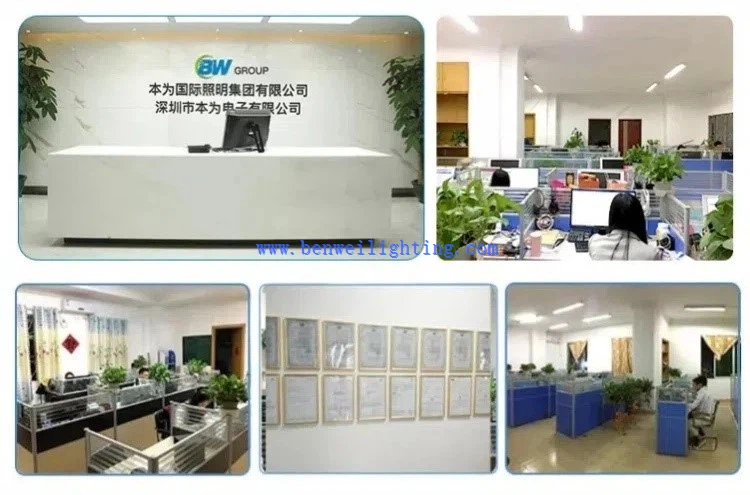
Shenzhen Benwei Lighting Technology Co., Ltd
Shenzhen Benwei Lighting Technology Co., Ltd is a well-known company that designs, develops, makes, and sells high-tech goods, including LED lighting products. The plant where we work opened in 2010 and is in Shenzhen.
Our address
3rd Floor, 5th Building, Hebei Industrial Park, Hualian Community, Longhua District, Shenzhen, China





