

Tube lights have become an indispensable component of lighting solutions for both commercial and residential settings. When it comes to a wide variety of applications, they are a popular choice due to the fact that they are efficient, versatile, and practical. In this article, the complexities of tube lights are dissected, including an examination of their fundamental principles, types, technical breakthroughs, benefits, and recommendations for picking the tube light that is most suitable for your requirements.
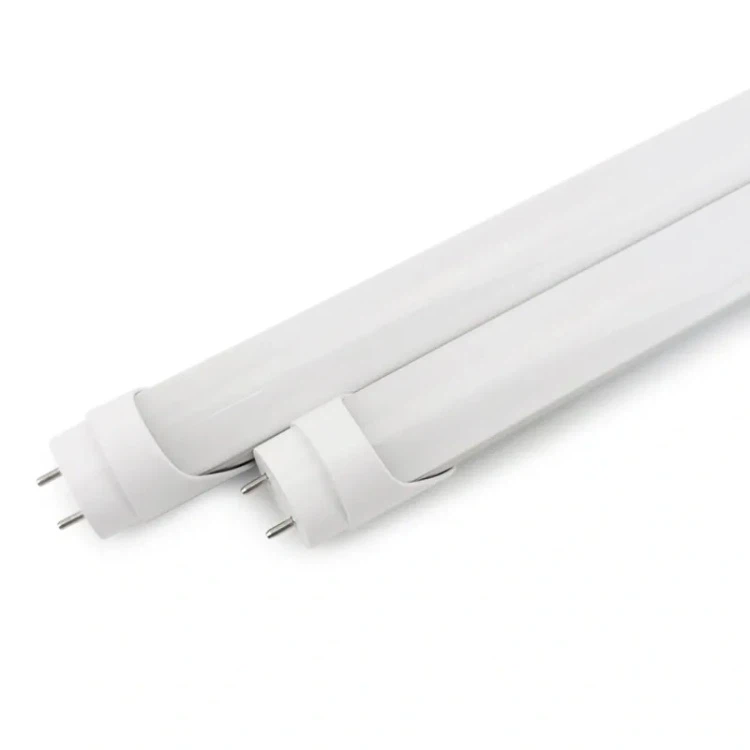
Acquiring Knowledge of the Fundamentals of Tube Light
In order to have a complete appreciation for tube lights, it is necessary to have a fundamental understanding of their fundamentals. The operation of tube lights is based on the principle of gas discharge, in which the gas contained within the tube is excited by electricity, resulting in the production of UV light. After that, the ultraviolet light undergoes a reaction with a phosphorescent coating that is located on the interior of the tube, which results in the tube emitting visible light. Since this method produces a lighting system that is exceptionally effective, tube lights have become a well-liked option in a variety of contexts, including business and residential communities.
Additionally, in comparison to conventional incandescent bulbs, tube lights are renowned for their durability as well as their energy efficiency characteristics. They have a lifespan of up to 15,000 hours or more, which greatly reduces the number of times that they need to be replaced. As a result of this endurance, tube lights are an environmentally beneficial alternative because they not only reduce the amount of trash produced but also save money on the purchase of bulbs. Because of their capacity to generate a light output that is both bright and consistent, they are ideally suited for a wide range of applications, including the illumination of residential spaces, as well as schools and offices.
What the Science Says About Tube Light
In order for tube lights to perform properly, physics and chemistry are essential components. Argon, krypton, and neon are examples of gases that are frequently utilized in tube lights. These gases are essential to the process of light emission and use them in tube lights. The transfer of an electric current through the gas results in the emission of photons, which are particles that carry energy. Through the application of this energy, the phosphor coating, which is composed of a mixture of elements including calcium, barium, and strontium, is prompted to generate visible light. Because this entire process assures that light is distributed evenly down the length of the tube, these tubes are perfect for use on surfaces that are quite lengthy. As an additional point of interest, the color temperature of the light can change depending on the particular phosphor that is utilized, which enables customisation according to the atmosphere that is required.
Furthermore, technological improvements have resulted in the creation of fluorescent tube lights that are more energy-efficient. These lights consume less power while maintaining the same degree of brightness as previously available fluorescent tube lights. Not only does this affect the amount of money spent on power, but it also has a huge impact on the amount of carbon footprints that are left behind. In addition to giving instant illumination without the warm-up time that is typically associated with traditional fluorescent tubes, the arrival of LED tube lights has taken efficiency to a whole new level. LED tube lights offer even longer lifespans and lower energy usage than traditional conventional fluorescent tubes.
Elements that Make Up a Tube Light
A typical tube light is made up of a number of different components, each of which contributes to the overall functionality of the light. These include the following:
Protects the components and encases the gas inside of the glass tube itself.
The flow of electric current is facilitated by electrodes, which are components that are located at both ends.
For the purpose of transforming UV radiation into visible light, phosphor coating is used to line the interior of the tube.
In order to start the light, the ballast is responsible for regulating the electric current and providing the necessary voltage.
By gaining an understanding of these components, one can better comprehend the operation of tube lights and the reasons why they offer particular benefits in comparison to conventional lighting options. As an illustration, the ballast not only guarantees that the tube light functions effectively, but it also safeguards the electrodes against harm that could be caused by changes in potential voltage. Especially in settings where there is a possibility of experience electrical surges, this is of the utmost importance in order to preserve the tube light's integrity and ensure its longevity. In addition, the form of the glass tube itself can be altered, and there are available alternatives for materials that are resistant to shattering, which improves safety in regions with a lot of foot traffic.
In addition, many contemporary tube lights come equipped with built-in capabilities such as the ability to reduce the light and compatibility with cutting-edge technology. Consequently, this enables users to make adjustments to the brightness levels or operate the lights remotely, which adds ease and flexibility to the design of lighting. These developments are a reflection of the continual evolution of tube lights, which ensures that they continue to be effective and relevant in satisfying the multitude of requirements that contemporary environments have.
Tube lights come in a variety of forms.
Tube lights are available in a wide variety of varieties, each of which is designed to meet the requirements of a particular area. As a result of their adaptability, they can be utilized in a wide variety of environments, ranging from residential to commercial settings.
Lights that are Fluorescent Tubes
Since their introduction, fluorescent tube lights have proven to be a dependable source of illumination. The capacity of these light bulbs to generate a brilliant white light while consuming less energy than incandescent bulbs is one of their most notable characteristics. These lights often come in a variety of sizes and color temperatures, which enables them to be utilized in a wide variety of settings, including classrooms, retail establishments, and even workplaces.
For the most part, the design of fluorescent lights, which reduces the amount of heat that is produced, is responsible for their efficiency. Nevertheless, it is of the utmost importance to take into consideration their impact on the environment, as certain fluorescent lights contain minute amounts of mercury. Because of this, there has been an increase in awareness and restrictions governing their disposal, which has prompted a great number of users to look for alternatives that are not only efficient but also kind to the environment.
Additionally, fluorescent tube lights typically require a ballast in order to manage the current that is running through the tube. If the ballast is not functioning properly, this can occasionally result in the lights experiencing flickering or buzzing sounds. In spite of these drawbacks, many people continue to value the quality of light that they give, particularly in environments where it is necessary for productivity to have brilliant illumination that is diffused all about.
The most recent advancement in lighting technology is represented by LED tube lights. LED tubes work differently than their fluorescent counterparts in that they generate light through the use of light-emitting diodes. This technique has a number of benefits, including increased energy efficiency, a longer lifespan, and a lower impact on the environment.
LED tube lights are available in a wide variety of designs and can frequently be retrofitted into fluorescent fixtures that are already in place. This accessibility makes them an easy switch for users who are trying to improve the lighting in their homes. In addition, they are available in a wide range of color temperatures, ranging from warm white to cool daylight, which enables users to tailor the atmosphere of any room to their specific preferences.
The longevity of LED tube lights is yet another asset that is of great importance. LED tubes, in contrast to fluorescent tubes, which are prone to breaking easily, are more robust to shock and vibrations, which makes them an excellent choice for high-traffic areas or industrial settings. In addition, they do not have any potentially hazardous components, like as mercury, which makes them a more secure option for both the people who use them and the environment. As the technology continues to advance, we may anticipate even more breakthroughs in LED lighting. These developments will include intelligent features that enable remote control and energy monitoring, which will further enhance the appeal of LED lighting in home as well as commercial applications.
Over the course of time, there have been substantial shifts that have taken place in the field of lighting. Tube lights, in particular, have undergone remarkable development as a result of their ability to accommodate both developments in technology and shifting demands from customers.
The use of tube lighting was initially developed as a response to the problem of providing sufficient light in commercial and industrial settings. In the beginning, the designs were centered on the idea of providing strong illumination to large areas while producing a low amount of heat. Continuous improvements in both the quality and performance of tube lights have been made over the course of time as manufacturing techniques have been refined. The emergence of fluorescent technology in the middle of the 20th century was a watershed moment since these lights provided a more efficient alternative to incandescent bulbs. This allowed businesses to cut their energy expenses while simultaneously increasing the brightness of their lighting environments.
The Most Recent Developments in Tube Lighting
These days, tube lights are able to take advantage of cutting-edge technology, which has completely revolutionized both their appearance and their operation. The practicality of tube lighting has been further improved by technological advancements such as smart lighting systems, which enable remote control and automation of the lighting system. In addition, advancements in LED technology have resulted in the creation of choices that are more energy-efficient and have a lifespan that is substantially longer than that of conventional fluorescent lights. Not only do these contemporary tube lights use less power, but they also produce less heat, which makes them safer and more environmentally friendly for usage over an extended period of time. In addition, the adaptability of LED tube lights has contributed to their widespread use in residential settings. These lights can be utilized to generate ambient lighting or to accent particular locations, such as kitchens or workstations.
In addition, the aesthetic attractiveness of tube lights has also seen a modification in recent instances. Consumers now have the ability to select lighting that harmoniously compliments their interior design thanks to the fact that manufacturers are now offering a wide range of designs, colors, and finishes that cater to a number of interior design styles. A further expansion of the creative possibilities available to homeowners and designers alike has been brought about by the incorporation of color-changing elements and alternatives for white light that may be adjusted. Tube lights have evolved to the point where they are no longer merely practical fixtures; rather, they have become indispensable components of contemporary interior design, contributing to the enhancement of both the mood and the functionality of places.
The Advantages of Utilizing Tube Lights Choosing tube lights as your lighting solutions delivers a multitude of advantages that add to both the practicality and the sustainability of your operations.
Efficacy of Tube Lights regarding Energy Use
In particular, the extraordinary energy efficiency of tube lights, particularly LED versions, is one of the most significant advantages of these lights. There is a huge reduction in the amount of power that LED tube lights utilize in comparison to incandescent and even fluorescent alternatives. Consequently, this not only results in lower energy bills but also adds to reduced carbon footprints, which is something that resonates strongly with consumers who are environmentally aware.
How long tube lights last and how durable they are
Tube lights, and LEDs in particular, have exceptionally long operational lifespans, the most of which are greater than 25,000 hours. Because of this attritional longevity, replacements are required less frequently, which results in less waste and lower expenses for maintenance. In addition, LED tube lights are less likely to break, which makes them a more robust option for use in a variety of settings.
Finding the Tube Light That Is Best Suited to Your Requirements
Because there is such a wide variety of possibilities available, choosing the appropriate tube light requires careful consideration of a number of different aspects in order to guarantee the highest possible level of performance and happiness.
When Purchasing Tube Lights, One Should Take Into Account That
You should take into consideration the following aspects before making a purchase of tube lights:
Lumens are the unit of measurement for brightness, and it is essential that you realize the appropriate level of brightness for your area.
When it comes to color temperature, you have the option of selecting either warm white, cold white, or daylight depending on the atmosphere that you want to create.
In order to ensure compatibility, check that the tube light is compatible with the fixture that is already in place, or evaluate whether a retrofit is required.
If you want to reduce your operating expenses, you should look for models that have a high energy rating.
Pointers on the Positioning and Installation of Tube Lights
When it comes to maximizing the efficiency of tube lights, getting the placement and installation right is really essential. To help you out, here are some suggestions:
Determine the ideal location of tube lights by analyzing the layout of the room. This will ensure that the light is distributed evenly across the space.
Take into account the height of the fixtures. Additionally, in order to adequately illuminate higher installations, more powerful lights can be required.
In order to guarantee compatibility and safety, it is important to consult installation recommendations, particularly when retrofitting.
You will be able to fully capitalize on the possibilities of tube lighting in your spaces if you make decision-making on purchasing and placement based on accurate information.
To summarize, tube lights have fundamentally altered the way in which we utilize light to enlighten our surroundings. Having a grasp of the science behind tube lights and their evolution, as well as being able to recognize their benefits and select the appropriate type, it is clear that tube lights are a perfect option for the lighting requirements of the modern era.
Utilizing PacLights, you can illuminate your space.
Are you ready to improve the atmosphere of your commercial or industrial space by utilizing the most recent advancements in LED tube light technology? There is no need to look any further than PacLights, your reliable provider of high-quality lighting solutions that are also energy-efficient. In the event that you are contemplating a refit or installing brand-new fixtures, our professionals are available to provide you with guidance at every stage of the process. Ask an Expert right now, and we will assist you in illuminating your space with lighting that is not only intelligent but also environmentally friendly.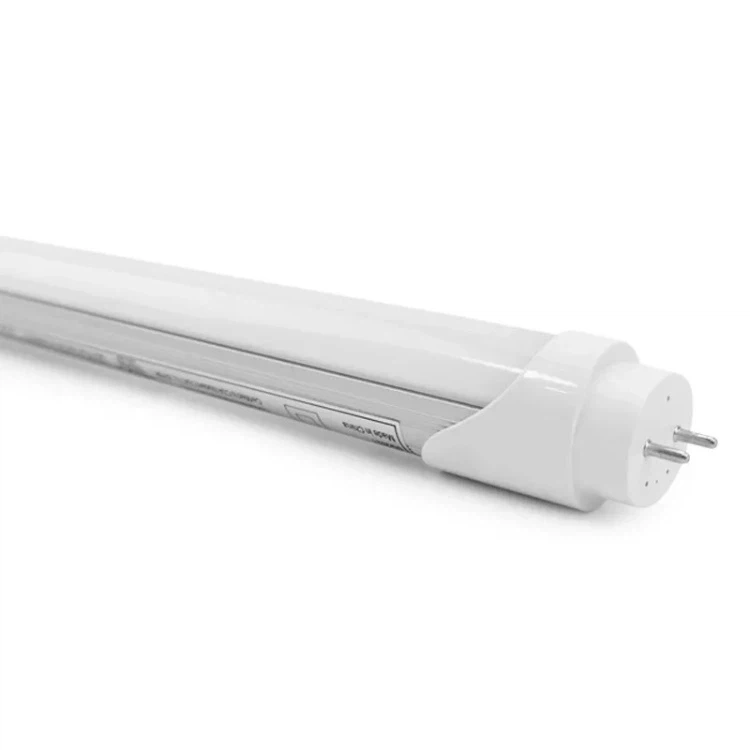
Shenzhen Benwei Lighting Technology Co., Ltd was established in 2010. It is a national high-tech enterprise integrating design, R&D, production and sales of indoor and outdoor lighting products and also can do OEM ,ODM .For more details about our offerings, please contact us at bwzm18@ledbenweilighting.com





