

Warm, cool and pure white light are the issues. Many folks must choose a bulb color. Many couples may have battled over this for years. "Warm white" "natural white" and "cool white" signify what? Do they mean bulb heat or anything else? No worries-we'll answer all your inquiries here!
When initially launched, LEDs had a blue color and were unsuitable for many uses. Because LEDs were untested and more costly than incandescent and fluorescent bulbs, many people balked at buying them for their homes. Thankfully, LED has returned with better specs and lower costs. This version is more energy-efficient and lets you change bulb colors.

What are warm, natural, and cold white light?
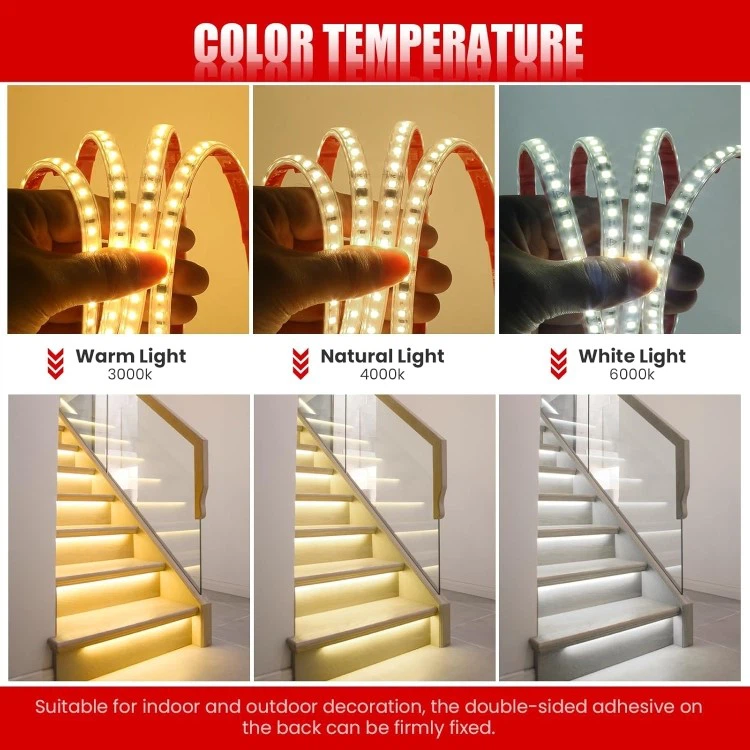
Cold, pure and warm hues relate to the light the bulbs produce, not their heat. White light in the bulb is measured in Kelvin as color temperature. The color temperature ranges from red to yellow to blue. Choose from soothing warm, natural white, or refreshing cold bulbs. Different spectra allow you to choose the right bulb hue for a space based on its application.
Warm white light
Warm white light is orange or yellow. Its mellow, calming light is perfect for setting the mood. A 6W LED bulb may replace a 60W incandescent bulb and still provide afternoon light.
Cool white light
cold white light-blue or cold and bright-is ideal for work lighting. Around 6,000K is the color temperature of cool white bulbs. They fit strong themes, minimalist interiors, and white rooms.
Pure white light
This colour temperature produces pure white light without yellow or blue tones. Bright and attractive, it may be used as a work light. Typical natural white bulbs are 4,000K.
Choosing between three
This is not a binary choice. You may connect all the lamps to separate switches in the same room and use them as needed. Warm bulbs may be used for ceiling lights and cold and natural bulbs for work illumination. Living areas, bedrooms, and passageways benefit from warm white light. Installing too many cool-colored bulbs may make your space excessively bright, so pick where to put them. Kitchens, baths, and workplaces need a lot of work, thus this color temperature works well. Natural hue bulbs are good for work lighting and won't be too bright, so you may use them in the kitchen, closet, storage area, and office.
Alternative uses for cool, pure and warm white light
Cool and natural white kitchen countertop lighting. Cool and natural white light work well on kitchen surfaces. They brighten countertops and look trendy. When selecting warm white light, natural white light, or cool color temperature for the kitchen, pick cool or natural for work lighting (such as the work surface), and warm for atmosphere.
Warm white kitchen cabinet bottom light. Install warm-colored light strips on kitchen cabinet bottoms. The ceramic floor is illuminated by soft white light, offering relaxation.
Warm white, natural, or cool white bedroom lights are available. Any hue may be installed in dedicated bedroom lighting to match your mood. Choose your own effects from each kind of light.
The choice is not between warm, natural, or chilly white light. Where should warm, natural, and cold white light go? Visit Benwei Lighting for high-quality LED lights.For more details about our offerings, please contact us at bwzm18@ledbenweilighting.com.





