

Indoor gardening is a popular hobby for many people, but it can be challenging to provide plants with the necessary light they need to thrive in indoor environments. As more people move into urban apartments, high-rise buildings, and homes with limited window access, natural sunlight has become an inconsistent and often insufficient resource for growing healthy indoor plants. Many beginner and experienced indoor gardeners struggle with common plant issues such as stunted growth, yellowing leaves, sparse foliage, and failed flowering or fruiting, all of which stem directly from inadequate or unstable lighting conditions. Unlike outdoor gardens that receive unfiltered, full-spectrum sunlight throughout the day, indoor spaces are blocked by walls, windows, building shadows, and weather changes, leaving plants deprived of the precise light they require for photosynthesis and healthy development. One solution to this problem is the use of plant cultivation lamps, which can provide plants with more consistent light and help them grow more efficiently. These specialized lighting tools are designed specifically to mimic and supplement natural sunlight, filling the gaps of indoor light deficiencies and creating a stable, growth-friendly environment for all types of houseplants, herbs, vegetables, and flowering species. In this article, we'll explore some of the key benefits of using plant cultivation lamps for indoor gardening, and how they can help you grow healthier, more productive plants.
1. Consistent light quality
One of the main benefits of using plant cultivation lamps is the consistent quality of light they provide. Indoor natural sunlight is extremely unreliable, even for homes with large south-facing windows. It changes drastically with the shift of seasons, the time of day, cloud cover, and surrounding architectural structures. In winter, days become shorter and sunlight is weaker, while rainy or cloudy weather can block natural light for days on end. Even on sunny days, indoor plants only receive filtered, diluted sunlight that lacks the full spectrum required for robust growth. Unlike natural sunlight, which can be erratic and unpredictable in indoor environments, cultivation lamps can be set up to provide a consistent level of light to your plants 365 days a year, regardless of external weather or seasonal changes. Gardeners can adjust the lamp's light intensity and fix its irradiation distance according to the specific needs of their plant varieties, ensuring every leaf and stem receives uniform, stable light exposure without sudden changes.
This can be especially important for plants that require a certain amount of light to grow properly, as even slight fluctuations in light intensity can affect their growth. Many delicate plants, such as succulents, orchids, and leafy greens, are highly sensitive to light variations. Insufficient light will cause them to grow leggy, lose their vibrant color, and fail to produce new leaves, while sudden bursts of overly strong filtered sunlight can scorch tender foliage and damage plant cells. Plant cultivation lamps eliminate all these unstable variables, delivering steady, plant-friendly light quality at all times. This consistent lighting environment stabilizes plant metabolic activities, allowing photosynthesis to proceed continuously and smoothly, which lays a solid foundation for steady, healthy plant growth.
2. Support for all stages of plant growth
Plant cultivation lamps can be used to support a broad range of plant growth stages, from seedling to blooming. Every phase of a plant's life cycle has unique lighting requirements that natural indoor sunlight often cannot meet. Young seedlings are extremely fragile and need soft, low-intensity light to avoid burning while promoting root and sprout development. During the vegetative growth stage, plants require stronger light with specific blue light wavelengths to foster lush foliage and sturdy stems. When entering the flowering and fruiting stage, plants need more red light wavelengths to stimulate bud formation, flower blooming, and fruit ripening. Natural sunlight cannot freely adjust its spectrum and intensity to match these changing growth needs.
This is because these lamps can be adjusted to provide varying levels of light intensity and wavelength, which are both essential for different stages of plant growth. Most modern plant cultivation lamps feature adjustable spectrum and brightness settings, allowing gardeners to switch light modes freely according to their plants' current growth stage. For seed germination and seedling cultivation, users can turn down the light intensity and select a mild spectrum to protect young sprouts. For vegetative growth, enhanced blue light promotes dense leaf growth and strong plant frameworks. For blooming and fruiting, increased red light accelerates reproductive growth and improves flower and fruit quality. This means that you can use a single lamp to support your plants throughout their entire lifecycle, rather than having to switch between different lamps at different stages. This not only simplifies the indoor gardening process and reduces the trouble of frequent equipment replacement but also saves gardening costs and improves the overall efficiency of plant cultivation.
3. Increased plant productivity
Another key benefit of using plant cultivation lamps is that they can help increase plant productivity. Plant growth and yield are directly determined by the efficiency of photosynthesis, the core biological process that converts light energy into chemical energy for plant growth, nutrient accumulation, and fruit development. Indoor light deficiencies often limit photosynthetic efficiency, leaving plants unable to absorb enough energy to produce nutrients, resulting in slow growth, thin foliage, and low yields. Many indoor gardeners find that their potted herbs grow slowly, vegetable plants produce few fruits, and flowering plants rarely bloom abundantly simply because of insufficient light energy supply.
When plants receive a consistent level of light, they can photosynthesize more efficiently, which leads to faster growth and greater productivity. Plant cultivation lamps provide targeted, sufficient light energy that fully meets the photosynthetic needs of indoor plants. With stable and adequate light exposure, plants can absorb and convert light energy more effectively, accumulate more carbohydrates and nutrients in stems, leaves, and roots, and accelerate cell division and growth. By using cultivation lamps, you may be able to grow more plants in less time, and even increase the yield of certain types of plants. For example, indoor lettuce and spinach can grow faster and produce denser leaves with continuous lamp lighting, while potted tomato and strawberry plants can yield more fruits with plumper texture and better flavor. For flowering plants like roses and chrysanthemums, supplementary lamp lighting can increase the number of flower buds and extend the blooming period, greatly improving the ornamental and practical value of indoor plants.

4. Better control over light cycles
Plant cultivation lamps also offer greater control over light cycles, which is crucial for certain types of plants. In botany, the light cycle, also known as the photoperiod, refers to the duration of light and dark exposure that plants receive daily. This cycle is a key signal that regulates plant growth, flowering, and dormancy. Different plant species have distinct photoperiod requirements: some are long-day plants that need more than 12 hours of light daily to bloom, some are short-day plants that require longer dark periods to form buds, and others need balanced light and dark cycles to maintain healthy growth. Natural indoor light cycles are completely controlled by seasonal day length and weather, leaving no room for manual adjustment, which often prevents photoperiod-sensitive plants from growing and blooming normally indoors.
For example, some plants require a certain amount of darkness to thrive, and cultivation lamps can be set up to provide this. Gardeners can set timed switches on plant cultivation lamps to precisely control the daily light exposure duration for plants, creating customized light and dark cycles that match their growth habits. For short-day plants like poinsettias and chrysanthemums, gardeners can shorten the lighting time to ensure sufficient dark hours to induce flowering. For long-day plants like lavender and lettuce, they can extend the lighting time to meet their growth needs. Additionally, controlling when and how long your plants are exposed to light can help you mitigate any negative effects of overly long or short daylight hours. In summer with overly long natural daylight or winter with extremely short daylight, manual light cycle adjustment can stabilize plant growth rhythms, avoid growth stagnation, premature dormancy, or abnormal defoliation caused by unbalanced photoperiods, and keep plants in a vigorous growth state all year round.
5. Energy efficiency
Modern plant cultivation lamps are much more energy-efficient than older models, which means that they can help you save on energy costs over time. Early plant lighting equipment mostly relied on traditional incandescent lamps and high-power halogen lamps, which consume huge amounts of electricity, generate excessive heat, and have extremely short service lives. These outdated lamps not only lead to high daily power consumption costs but also easily cause heat damage to plant leaves and require frequent replacement, increasing long-term gardening expenses. With the continuous upgrading of lighting technology, modern plant cultivation lamps have achieved revolutionary progress in energy saving and efficiency.
These lamps use advanced LED or HID technology, which consumes far less power than traditional light bulbs. High-quality LED plant lamps convert most electrical energy into effective light energy for plant photosynthesis, with almost no redundant heat energy loss. Compared with traditional lighting equipment, their power consumption is reduced by more than 70%, while their light conversion efficiency is greatly improved. Meanwhile, these modern lamps have a long service life, usually lasting tens of thousands of hours, which greatly reduces the frequency of equipment replacement and maintenance costs. This makes them an eco-friendly choice for indoor gardening, as well as a cost-effective one. Low energy consumption reduces household electricity waste and lowers carbon emissions, fitting the concept of green and environmentally friendly home gardening. For ordinary indoor gardening enthusiasts and professional indoor planting users alike, energy-efficient cultivation lamps can achieve long-term cost savings while ensuring excellent plant growth effects.
In conclusion, plant cultivation lamps offer a wide range of benefits for indoor gardening. By providing consistent light quality, supporting all stages of plant growth, increasing plant productivity, offering greater control over light cycles, and being energy-efficient, they can help you grow healthier, more productive plants in your indoor garden. These five core advantages perfectly solve the core pain point of insufficient and unstable light in indoor planting, breaking the seasonal and spatial limitations of natural sunlight. No matter you live in a dark apartment with little natural light or want to cultivate specialized plants with strict lighting requirements, plant cultivation lamps can create a stable and efficient growth environment for your indoor garden. Whether you're an experienced gardener or just getting started, adding a plant cultivation lamp to your indoor gardening setup is definitely worth considering. It is a practical, cost-effective, and environmentally friendly gardening tool that can greatly improve your indoor planting success rate and bring you more lush, vibrant, and high-yield indoor plants all year round.
How To Cooperate With Us?
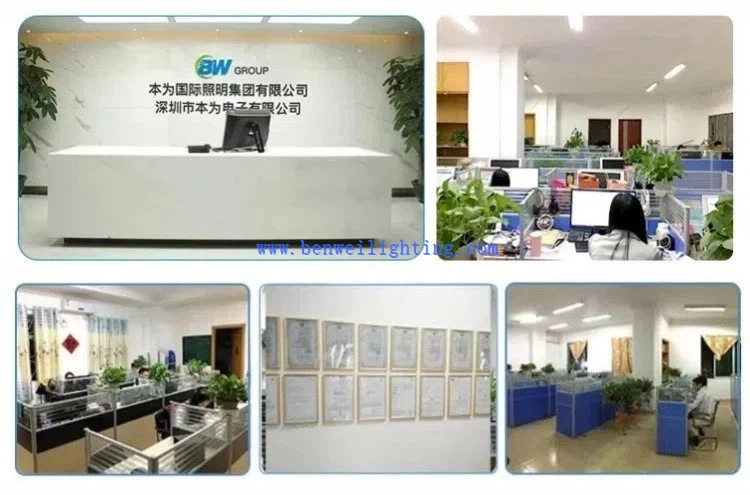
Since we have our own facilities, we are pleased to have complete control over the production process and the quality of our goods. We are committed to giving our clients the finest prices since we are manufacturers rather than just brokers. We encourage buyers to see our samples first since we are certain that the cost and calibre of our items are transparent. Our dedication to excellence and client happiness motivates us to consistently provide superior products.
Our address
3rd Floor, 5th Building, Hebei Industrial Park, Hualian Community, Longhua District, Shenzhen, China





