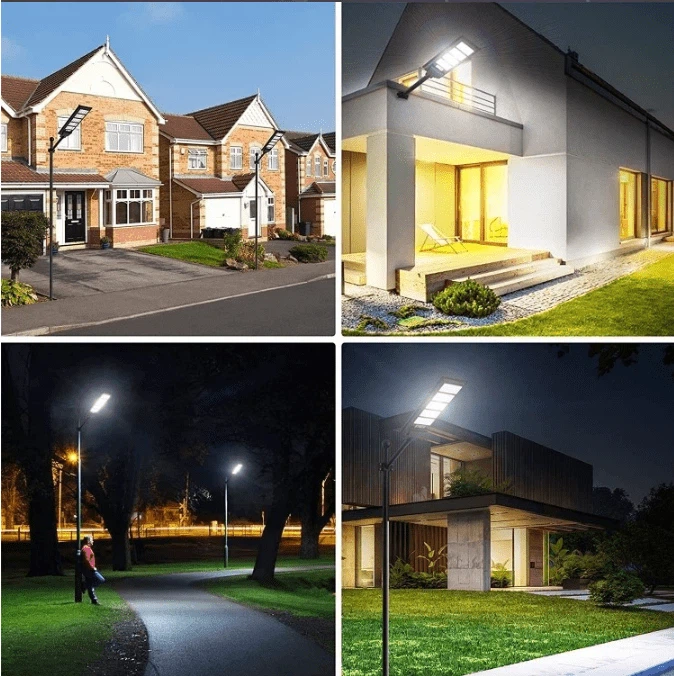
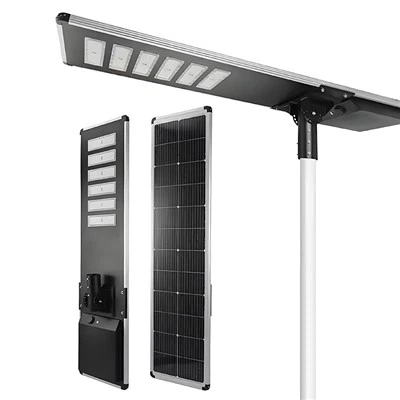
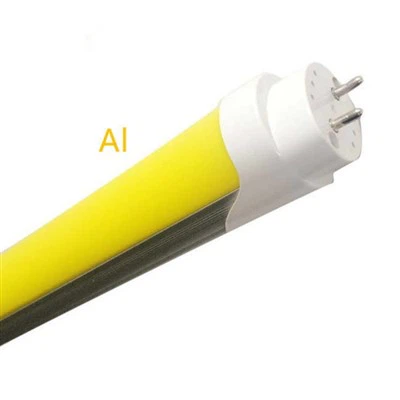
With the rapid upgrading of urban public lighting systems, LED street lighting has become increasingly popular in recent years due to its outstanding energy efficiency, stable performance and ultra-long lifespan compared with conventional lighting fixtures. It has been widely applied in urban roads, municipal engineering and public infrastructure construction. However, it is important to understand that this mature lighting technology is not without its obvious disadvantages and potential limitations. To help urban planners and engineering teams make scientific purchasing and layout decisions, we sort out and elaborate on the core drawbacks of LED street lights as follows:
High Initial Procurement and Installation Cost
Although LED lights have a longer lifespan than traditional streetlights, they can also be more expensive to purchase and install. The high cost of core LED chips, intelligent driving components and professional supporting accessories leads to higher upfront investment costs. This may be a major barrier to small and medium-sized cities, rural areas and regions with limited municipal budgets and public resource allocation, restricting the large-scale promotion of LED street light renovation projects.
Harsh Glare and Potential Traffic Safety Hazards
LED lights are brighter than traditional streetlights with higher luminous intensity and concentrated light sources. This can create a harsh, glaring effect that can be extremely uncomfortable for pedestrians, cyclists, and drivers during night travel. This can also create serious safety hazards by reducing road visibility, interfering with human eye adaptation and causing temporary vision impairment, which affects nighttime traffic safety.
Unreasonable Color Temperature and Light Pollution Issues
LED lights tend to have a cooler color temperature than traditional street lights. This can create an unnatural, bluish tint that some residents and pedestrians find unappealing and visually uncomfortable. It can also be a key concern to professional astronomers, who rely on pure night darkness to observe the stars and carry out astronomical research, resulting in irreversible astronomical light pollution.
Hidden Environmental Risks in Production and Disposal
While LED lights are energy efficient in daily operation, they still require a significant amount of electric energy and industrial resources to manufacture during the production process. Additionally, the disposal of LED lights can be problematic because they contain toxic heavy metals, such as lead and mercury, which can be harmful to the soil and water environment if not properly disposed of and recycled.
Unstable Flicker Effect and Physical Discomfort
Due to unstable driving power or circuit aging, LED lights can sometimes flicker frequently during operation, creating an annoying and visually distracting effect for night road users. Long-term exposure to flickering LED street lights can also cause frequent headaches, visual fatigue and eye strain for some people, bringing adverse effects on human visual health.
Complex Post-Failure Maintenance and Replacement
Although LED lights have a longer lifespan than traditional lights, they are not immune to circuit damage, chip aging and other malfunctions after long-term outdoor operation. When an LED light does fail, its integrated structural design makes it more difficult and time-consuming to repair and replace than traditional lights, increasing the later-stage operation and maintenance costs of municipal public lighting.
Conclusion
In conclusion, while LED street lights offer many prominent advantages in energy saving, environmental protection and service life, they are not without their inevitable disadvantages in cost, light performance, environmental protection and maintenance. It is important for city planners, municipal engineering teams and policymakers to fully consider these practical drawbacks when deciding whether or not to invest in large-scale LED street lighting renovation and construction projects. Careful consideration, scientific model selection and reasonable planning can help effectively avoid the above shortcomings and ensure that the comprehensive benefits of LED street lights fully outweigh the disadvantages.
Looking for cost-effective, low-glare and high-stability LED street light solutions to avoid common drawbacks? Feel free to contact our professional team for customized product selection, scheme design and technical guidance to meet your municipal and road lighting needs perfectly!