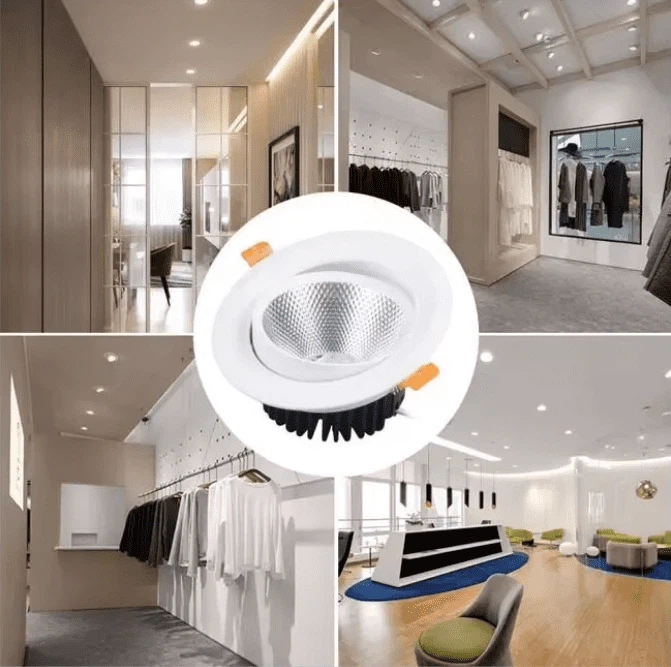
RECESSED LIGHTING has become a popular choice among homeowners and has become increasingly popular in modern residences. While there are many benefits to using this type of lighting, there are also some drawbacks that householders should be aware of before making a decision.
However, the installation procedure is one of the primary drawbacks of recessed lighting. In order to install this form of lighting accurately, a hole must be cut into the ceiling and specialized tools and knowledge are necessary. This can be a significant concern for individuals who are inexperienced in DIY home projects or who prefer not to engage a professional to complete the installation.
Another challenge associated with recessed lighting is the difficulty of regulating the quantity of light that penetrates a room. It is frequently challenging to precisely adjust the positioning and orientation of the lights after they have been installed, which may lead to certain areas of the room being over- or under-lit. Furthermore, certain rooms may not have sufficient space to accommodate recessed lighting, as it is frequently implemented in the ceiling. This can restrict the homeowner's lighting options and complicate the process of achieving the intended lighting effect.
Another drawback of recessed lighting is its excessive expense. Recessed lighting is generally more expensive than other types of lighting, such as ceiling or wall-mounted fixtures. The installation process is the primary factor contributing to the cost, but there are also supplementary factors, including the cost of the lighting and their relevant hardware.
Additionally, in certain instances, recessed illumination can serve as an insulation barrier, resulting in elevated energy expenses. This is due to the fact that the lighting can create a gap between the insulation and the lighting fixture, thereby allowing heated or cooled air to flee the home. This can result in a residence that is less energy-efficient and higher energy costs.
Finally, recessed illumination may not be the best choice for rooms that need multiple points of light, which is another disadvantage. For instance, a living room that functions as a home theater may necessitate specialized illumination, such as table lamps or wall sconces. Recessed lighting may not be the optimal choice for this type of room, as it may not provide sufficient illumination in the appropriate areas.
In summary, although recessed lighting is a contemporary and visually appealing lighting option, it also has certain disadvantages that householders should be cognizant of prior to its installation. It may not be suitable for certain room types or multiple points of light, and the light direction can be difficult to control. Additionally, the installation process can be costly and challenging.