

Introduction
Lighting is a pivotal environmental variable in poultry husbandry, influencing circadian entrainment, neuroendocrine regulation, feed intake, locomotor activity, and reproductive performance. Unlike mammals, birds are highly photoresponsive, with specialized photoreceptors in the retina, pineal gland, and hypothalamus. Therefore, establishing evidence‑based lighting protocols is essential for maximizing flock health, productivity, and profitability. This article synthesizes current knowledge on lighting requirements for poultry across different ages and production systems, focusing on photoperiod duration, light intensity, spectral quality, and practical implementation.
Age‑Specific Photoperiod Requirements
Newly hatched chicks possess immature thermoregulation and feeding behavior. A prolonged photoperiod encourages feed and water intake, reduces mortality due to starvation or dehydration, and facilitates imprinting on environmental cues.
Recommended photoperiod: 20–24 hours of light for the first 2–3 days, then gradually reduced to 18–20 hours until 7 days of age.
From week 2 to week 6: 16–18 hours of light, followed by a stepwise reduction to 12–14 hours by week 6 (broilers) or week 8 (pullets).
Intensity: 20–30 lux during week 1 to promote feeding, then reduced to 5–10 lux to prevent feather pecking and cannibalism.
During the rearing period, a decreasing or constant short photoperiod (8–10 hours) is recommended to delay sexual maturity until target body weight is achieved. Premature exposure to long days (>12 hours) can induce early egg production, leading to smaller eggs, prolapse, and reduced persistency of lay.
Standard protocol: 8–10 hours of light, with a gradual increase of 15–30 minutes per week only after 16 weeks of age, depending on breed and body condition.
To maintain regular oviposition, hens require a minimum photoperiod of 14–16 hours per day. Longer days (up to 17 hours) may slightly increase egg numbers but elevate risks of reproductive disorders (e.g., double‑yolked eggs, oviduct impaction) and exhaustion.
Optimal range: 14–16 hours of continuous or interrupted light (e.g., 2 hours on, 2 hours off cycles) – interrupted lighting can reduce feed costs without sacrificing production.
Intensity: 10–30 lux at bird head level; intensities above 30 lux are associated with increased feather pecking and hysteria, whereas <5 lux reduces egg production by 10–15%.
Circadian Rhythm Entrainment and Physiological Regulation
The avian circadian system consists of three interconnected oscillators: the retina, the pineal gland, and the suprachiasmatic nucleus (SCN). Light perceived through the skull (birds possess thin cranial bones) and eyes triggers:
Melatonin suppression: Darkness induces pineal melatonin secretion, promoting sleep and immune modulation.
Gonadotropin release: Long photoperiods stimulate gonadotropin‑releasing hormone (GnRH) and subsequent luteinizing hormone (LH) and follicle‑stimulating hormone (FSH), driving ovarian follicle development and ovulation.
Irregular or insufficient light exposure disrupts circadian rhythms, manifesting as:
Reduced feed conversion efficiency (up to 8% impairment)
Asynchronous feeding and drinking, leading to dehydration
Increased heterophil/lymphocyte ratio (indicator of chronic stress)
Higher susceptibility to respiratory and enteric infections
Therefore, maintaining a consistent light‑dark cycle (including gradual dawn/dusk transitions of 15–30 minutes) is recommended to mimic natural conditions and reduce stress.
Impact of Lighting on Egg Production
Hens require a minimum of 14 hours of light per day to maintain regular egg production (5–6 eggs per week). When natural day length falls below 12 hours (e.g., winter months at mid‑latitudes), egg production drops by 30–50% within 2–3 weeks due to photorefractoriness.
Artificial supplementation: Provide 14–16 hours total light using timers that turn on lights before dawn and after dusk.
Abrupt changes: Avoid sudden increases >1 hour per day; stepwise increments of 15–30 minutes weekly are safer to prevent stress‑induced molting.
Lux requirements: 20 lux minimum for commercial layers; 10 lux suffices for backyard flocks but may reduce peak production by 5–10%.
Spectral effects: Red light (610–660 nm) penetrates the skull more effectively, stimulating hypothalamic photoreceptors and enhancing egg production by up to 10% compared to cool white or blue light. However, full‑spectrum light (including UV‑A) yields the best overall health outcomes.
Behavioral Modulation via Lighting
Excessive light intensity (>30 lux) or long photoperiods (>17 hours) increases feather pecking, vent pecking, and cannibalism, especially in non‑beak‑trimmed flocks. Conversely, dim light (5–10 lux) reduces visual acuity and activity, thereby lowering aggressive interactions.
Practical recommendation: 5–10 lux for broilers and growing pullets; 10–20 lux for laying hens housed in enriched cages or aviaries.
Broilers: 16–18 hours of light with 6–8 hours of darkness improves leg health, reduces ascites, and promotes uniform weight gain compared to 23 hours of light.
Layers: Moderate activity under 14–16 hours of light encourages foraging, dust‑bathing, and perching, reducing stereotypes and improving feather condition.
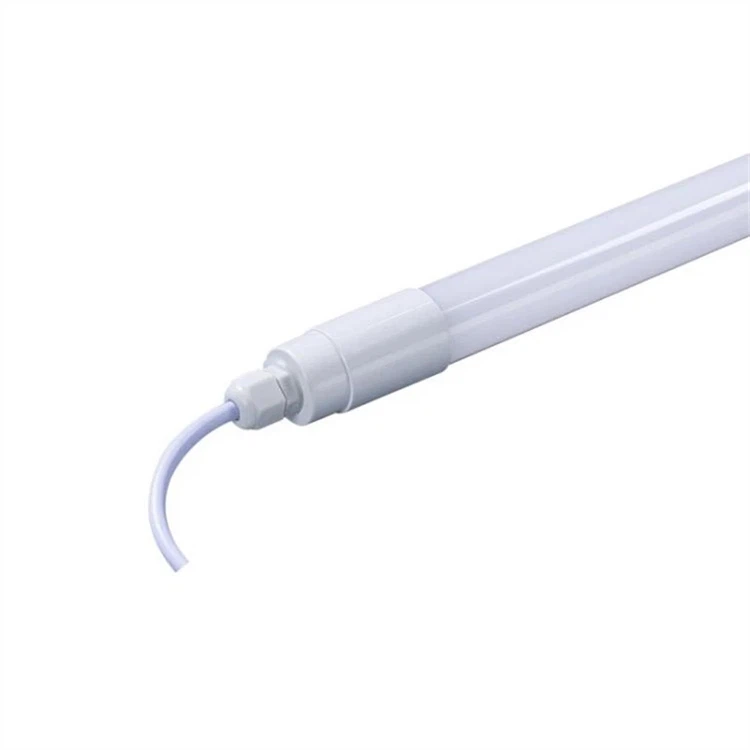
Practical Implementation of Poultry Lighting
Natural vs. Artificial Light Sources
Natural daylight remains the gold standard due to its full spectrum, dynamic intensity changes, and UV content. Provide access to outdoor runs or UV‑transparent windows.
Artificial lighting: LED lamps are preferred over incandescent or fluorescent types due to energy efficiency, longer lifespan, and tunable spectra. Choose LEDs with a color rendering index (CRI) >85 and spectral output including red and blue wavelengths.
Light Placement and Uniformity
Mount lights 2.0–2.5 meters above the litter or slats.
Use reflectors or diffusers to achieve uniform illumination (±20% variation across the house).
Minimum illuminance at bird level (measured with a lux meter) should meet age‑specific targets.
For multi‑tier cage systems, supplement with under‑tier lighting (e.g., LED strips) to avoid shadow zones.
Photoperiod Control Systems
Employ programmable timers with battery backup to prevent schedule disruptions.
Simulate dawn and dusk using dimmable LED drivers over 15–30 minutes – this reduces panic and floor egg laying.
In regions with power instability, consider solar‑assisted lighting with automatic switchover.
Conclusion
The lighting requirements for poultry are multidimensional, varying significantly by age, breed, and production objective. Key parameters include:
Photoperiod: 20–24 hours for neonatal chicks, 14–16 hours for layers, 8–10 hours for growing pullets.
Intensity: 20–30 lux for brooding, 10–20 lux for layers, 5–10 lux for growers and broilers.
Spectrum: Full‑spectrum (including UV‑A and red wavelengths) is superior for health and reproduction.
Uniformity and consistency: Achieve even illumination and avoid abrupt photoperiod changes.
Adherence to these scientifically grounded lighting protocols, combined with good husbandry practices (ventilation, nutrition, biosecurity), enables optimal growth, egg output, behavioral welfare, and ultimately economic returns for poultry farmers.

How To Cooperate With Us?
Our firm prides itself on owning its own factory, guaranteeing complete control over the production process and the quality of our goods. We are not only agents; we are manufacturers committed to offering our clients the most competitive rates available. We invite consumers to evaluate our samples first, as we are assured that the quality and pricing of our items are self-evident. Our dedication to excellence and client satisfaction compels us to consistently perform at our best and provide superior quality products.
Our address
3rd Floor, 5th Building, Hebei Industrial Park, Hualian Community, Longhua District, Shenzhen, China





