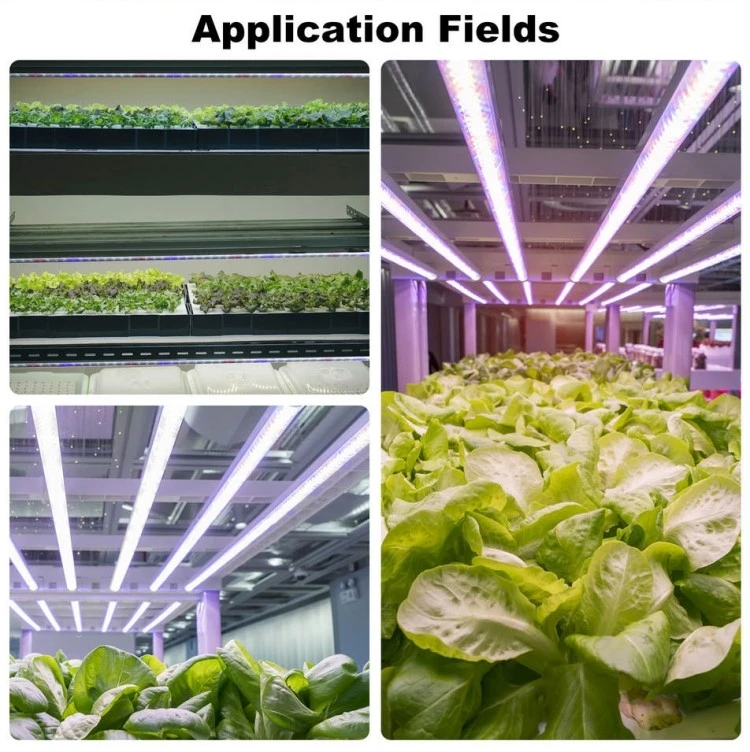
For indoor gardening and plant growth, it is crucial to ensure that they get enough illumination. develop lights are essential equipment for indoor gardening since they replicate the necessary natural light required for plants to develop and flourish. Nevertheless, it is conceivable to exceed the optimal amount of a positive attribute, and this is particularly accurate in relation to the intensity of grow lights.
Novices in the realm of indoor gardening may be inclined to believe that increasing the amount of light is always advantageous when using grow lights. Nevertheless, this is not always true. Excessive brightness from grow lights might really have a detrimental effect on your plants. This post will examine the potential consequences of excessive brightness in grow lights and provide advice on how to prevent this prevalent error.
The Impact of Excessive Brightness from Grow Lights
An immediate consequence of too bright grow lights is the potential for plant burn. Excessive exposure to light may result in leaf burn and the dehydration of a plant's tissues. This may provide a significant challenge, particularly for young seedlings and fragile plants that are in the first phases of development, since they are more susceptible to harm.
Excessive brightness from grow lights may also induce premature flowering in plants. This might provide a challenge if you are cultivating plants primarily for their foliage or stems rather than their blossoms. Premature flowering may lead to diminished crop output and a shortened lifetime of the plant.
Finally, too bright grow lights might result in a heightened susceptibility to plant diseases. Excessive exposure to light may induce stress and compromise the immune systems of plants. This may render plants more susceptible to infection and illness, which can have catastrophic consequences for your indoor garden.
Strategies for Preventing Excessively Bright Grow Lights
Thankfully, there are many methods to circumvent the need of too intense grow lights for your plants. Initially, it is important to choose a suitable grow light that matches the dimensions and species of the plants being cultivated. It is crucial to do thorough study and choose a grow lamp that meets the precise lighting needs of your plants, since various plants have varying requirements for light intensity.
An alternative method to prevent too bright grow lights is to modify the elevation of the lights. Proximity of lights to plants might result in excessive luminosity and harm. To prevent this, ensure that the lights are placed at the correct elevation and distance from the plants. As your plants mature, it may be necessary to modify the elevation of the lights correspondingly.
It is crucial to regularly monitor your plants and be vigilant for any indications of stress or harm. If you see any problems, such as leaf scorch or drooping, it might indicate that your grow lights are too intense. In this scenario, you have the option to modify the lighting conditions or relocate the plants to an area with less light intensity.
In conclusion
Grow lights are an invaluable resource for indoor gardening and may facilitate the cultivation of robust, thriving plants throughout the whole year. Nevertheless, it is crucial to bear in mind that an excessive amount of a positive aspect might have detrimental effects. Excessive brightness from your grow lights might result in leaf burn, early blooming, and heightened susceptibility to plant diseases. To ensure optimal growth and prevent any potential problems, it is crucial to carefully choose an appropriate grow light, accurately adjust the height and spacing of the lights, and regularly monitor your plants. By doing so, you can establish a flourishing indoor garden that will provide fresh, nutritious vegetables and stunning flowers throughout the year.
https://www.benweilighting.com/agricultural-lighting/plant-lighting/4-foot-grow-light.html