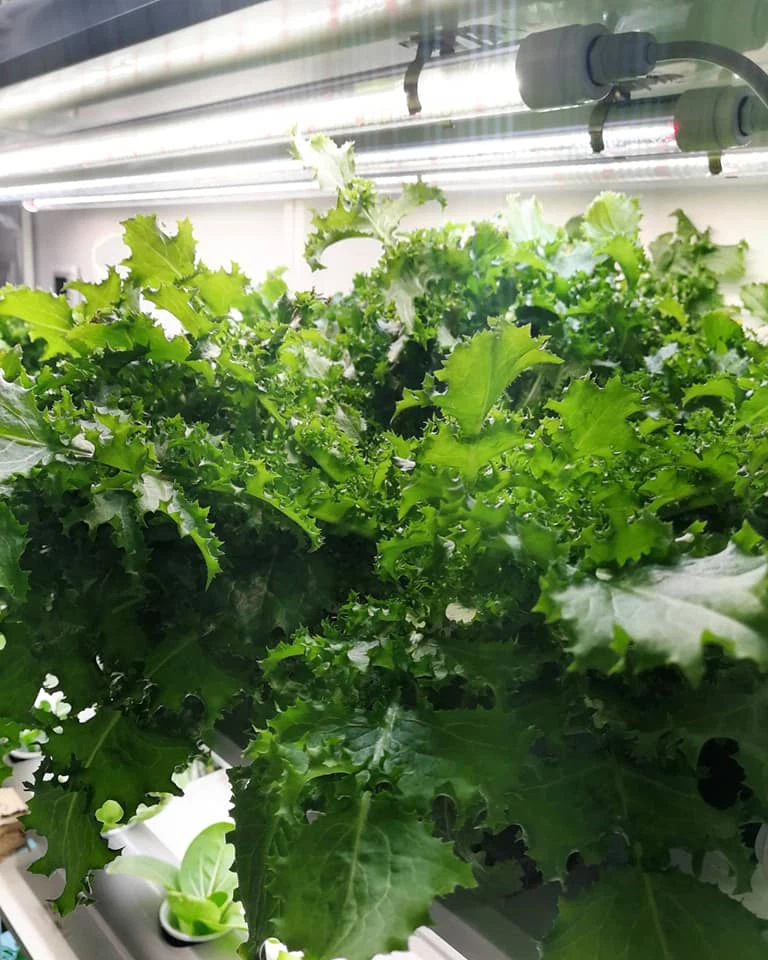
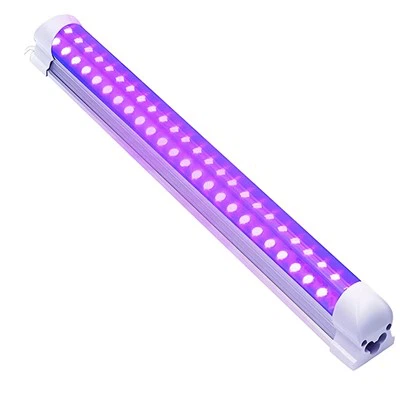
Indoor plant cultivation heavily relies on artificial lighting to compensate for insufficient natural sunlight. In daily gardening and commercial planting scenarios, many users often confuseplant lights and grow lights, even using the two terms interchangeably. Although both kinds of lighting products are designed to support plant growth, they differ greatly in spectral design, functional positioning and planting application effects. Choosing the wrong light will lead to stunted plant growth, poor flowering and fruiting, and low cultivation efficiency. To help users accurately distinguish the two types of lights and select suitable equipment for different planting needs, this article elaborates on their core differences, mainstream grow light types and respective pros and cons, providing practical selection references.
Core Differences Between Plant Lights and Grow Lights
The essential gap between plant lights and grow lights lies in spectral design and growth support capability, which determines their applicable planting scenarios and functional limits.
Plant Lights: Auxiliary Lighting for Basic Growth
Plant lights are engineered to simulate the conventional visible spectrum of natural sunlight, focusing on assisting daily plant growth. Their core application is to supplement insufficient natural light for indoor plants, relieving growth stagnation caused by light deficiency. To a certain extent, they can support plant development and assist flowering and fruiting. However, these lights cannot cover the full light spectrum required for plants to achieve maximum growth potential, so they can only serve as a basic auxiliary lighting tool rather than professional planting equipment.
Grow Lights: Professional Full-Spectrum Growth Lighting
Grow lights are professional planting-specific lighting devices, tailored to meet the full-spectrum light needs of plant growth. They are precisely configured with blue and red light bands, the two most critical spectrums for plant growth. Among them, blue light dominates vegetative growth, facilitating the formation of strong stems and lush leaves; red light focuses on stimulating flower bud differentiation, blooming and fruit development. With a complete and targeted spectral combination, grow lights can fully unlock plants' growth potential and support healthy and vigorous full-cycle growth.
Introduction to Mainstream Types of Grow Lights
As professional planting lighting equipment, grow lights have three mainstream types on the market: LED grow lights, fluorescent grow lights, and High-Intensity Discharge (HID) grow lights. Each type has unique performance characteristics and applicable scenarios, with obvious differences in energy efficiency, cost, heat generation and light performance.
LED Grow Lights
LED grow lights are currently the most popular mainstream planting lighting products. Their core advantages are outstanding energy efficiency and flexible spectral performance, which can provide diverse and customizable light spectrums to precisely match the growth needs of different plants and different growth stages. In addition, LED grow lights produce relatively low heat during operation, which effectively avoids overheating in the planting environment and prevents heat damage to plants, creating a stable growth condition. It is a high-cost-performance option suitable for most conventional planting scenarios.
Fluorescent Grow Lights
Fluorescent grow lights are classic entry-level professional grow lights, mostly applied to small-scale grow rooms and family miniature planting scenarios. The biggest advantage of this product is its low procurement cost, and it can output a rich color spectrum to meet the basic full-cycle growth needs of conventional plants. The main drawback is its average energy efficiency, which is not as energy-saving and durable as LED grow lights, making it more suitable for low-budget, small-area planting.
HID (High-Intensity Discharge) Grow Lights
HID grow lights are high-power professional planting lighting equipment, possessing the strongest light intensity among all mainstream grow lights. They are specially designed for large-scale planting areas and can provide sufficient high-intensity light to support the growth of large batches of plants. However, this type of product has two obvious disadvantages: high overall cost and severe heat generation. During operation, it will produce massive heat, requiring professional ventilation and cooling systems to ensure plant health, so it is mostly used for commercial large-scale planting scenarios.
Comprehensive Selection Summary for Plant Lights and Grow Lights
To sum up, the fundamental difference between plant lights and grow lights is spectral completeness and professional planting targeting. Ordinary plant lights are only suitable for simple auxiliary light supplementation for indoor plants, which can maintain basic plant growth but cannot maximize growth quality and yield. In contrast, professional grow lights with complete red and blue spectral configuration can fully meet plants' full-cycle growth needs, realizing better growth, flowering and fruiting effects.
In terms of grow light selection, users can choose according to their planting area, budget and planting demand: LED grow lights are the first choice for most scenarios with balanced performance; fluorescent grow lights fit small-budget and small-space planting; HID grow lights are exclusive for large-scale commercial planting.If you are still unsure about the difference between plant lights and grow lights, or do not know how to match lighting equipment according to your plant varieties and planting space, feel free to contact us for professional one-on-one consultation. We will customize the most suitable grow light solution and product recommendation for your exclusive planting needs!