

If you want to understand how bright a light bulb is, you may come across two measures that confound you: lux and lumens. Both are linked to brightness but measure somewhat different quantities.
In this post, we will discuss the differences between the two and how to interpret the metrics!
The difference between lux and lumens, by definition
The main difference may be summarised as follows:
Lux is a measure of illuminance-the total quantity of light that falls on a surface.
Lumens are a measure of luminous flux, or the total quantity of light emitted from all directions.
The lux measurement increases as one moves closer to the light source. This is because light disperses as one goes away from its source.
As a result, while looking at a light bulb's lux rating, always ensure that there is a distance related. For example, you may see "1000 lux at 4 feet"; if you simply see the lux rating, you won't know what distance was measured, and you won't be able to make a true comparison.
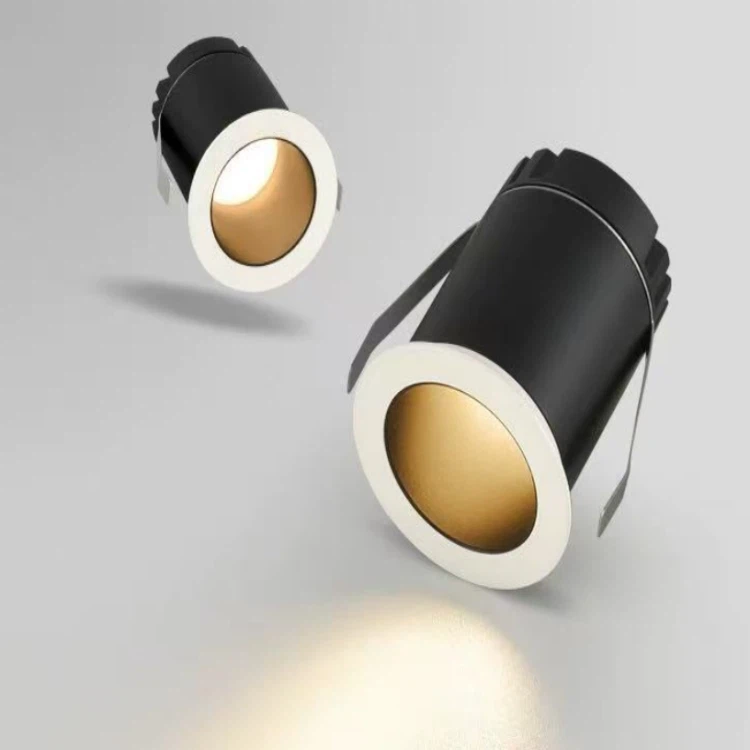
Most directed light sources, such as LED spotlights, have the greatest lux measurement in the center of their beams. As you travel out from the center, lux decreases.
When to Use Lux vs. Lumens
Lux is vital for determining how bright a surface looks. This is the most important parameter for determining how bright a surface will seem, such as a tabletop, reading material, or photographic subjects.
Without enough lux, it might be difficult to read or take nice images. The common lux values are given below.
Dark, overcast day: 1,000 lux, or 20 micromoles per second per square metre.
Indirect daylight is 10,000 lux, or 200 micromoles per second per square metre.
Direct daylight is 100,000 lux, or 2,000 micromoles per second per square metre.
Lux is a measure of how much light falls on a certain surface and may be produced by a combination of light bulbs and sunshine.
Lumens, on the other hand, are used to determine how much light is emitted by a single light source. This is helpful for comparing the overall quantity of light emitted by a bulb, but whether it is "enough" for a place or work is not always possible to assess.
Differences in measurement methods between lumens and lux
Because lux is a measure of how much light falls on a surface, even a tiny, portable light meter or spectrometer can detect the quantity of light falling on a surface. These are often less expensive and may be linked to cellphones for usage in the field.
Lumens, on the other hand, quantify the quantity of light emitted from a single source in all directions. Thus, significantly more advanced instruments are necessary. Typically, a goniosphere or integrating sphere is required. These gadgets catch and measure the light emitted from all angles.





