

The difference between ordinary LED lights and full-spectrum LED lights
1) Spectra are different
The main difference is that the light source is different. The so-called full spectrum is a measure of the closeness to sunlight. Full spectrum means that it is close to natural light at the spectral level through technical means:
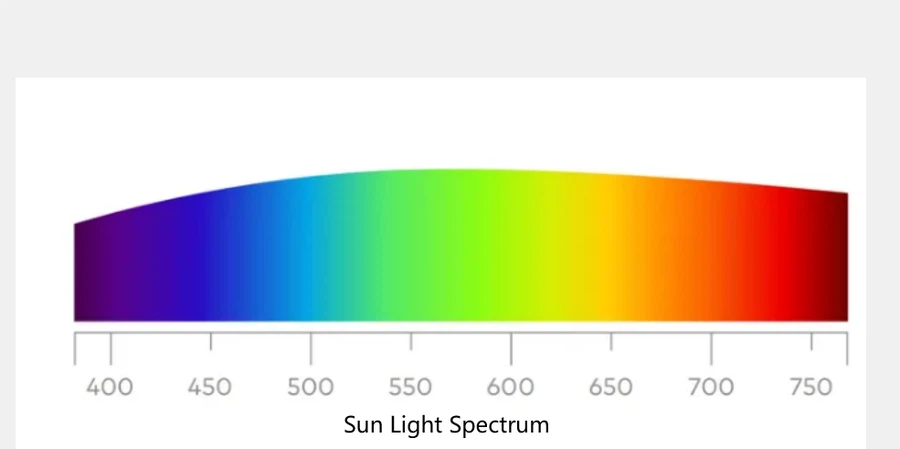
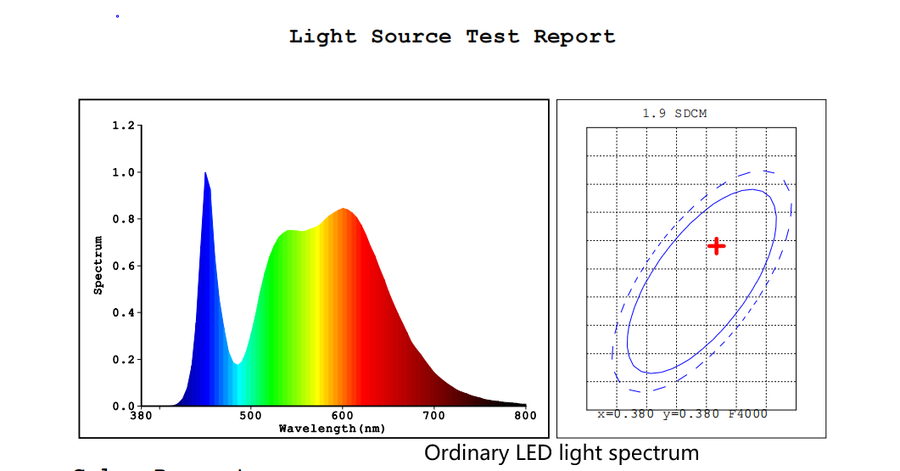
The ordinary LED spectrum is generally the same as the picture below. The blue spectrum segment is prominent and the red spectrum segment is insufficient. There is a significant gap with the spectrum of sunlight:
2) The display index is different.
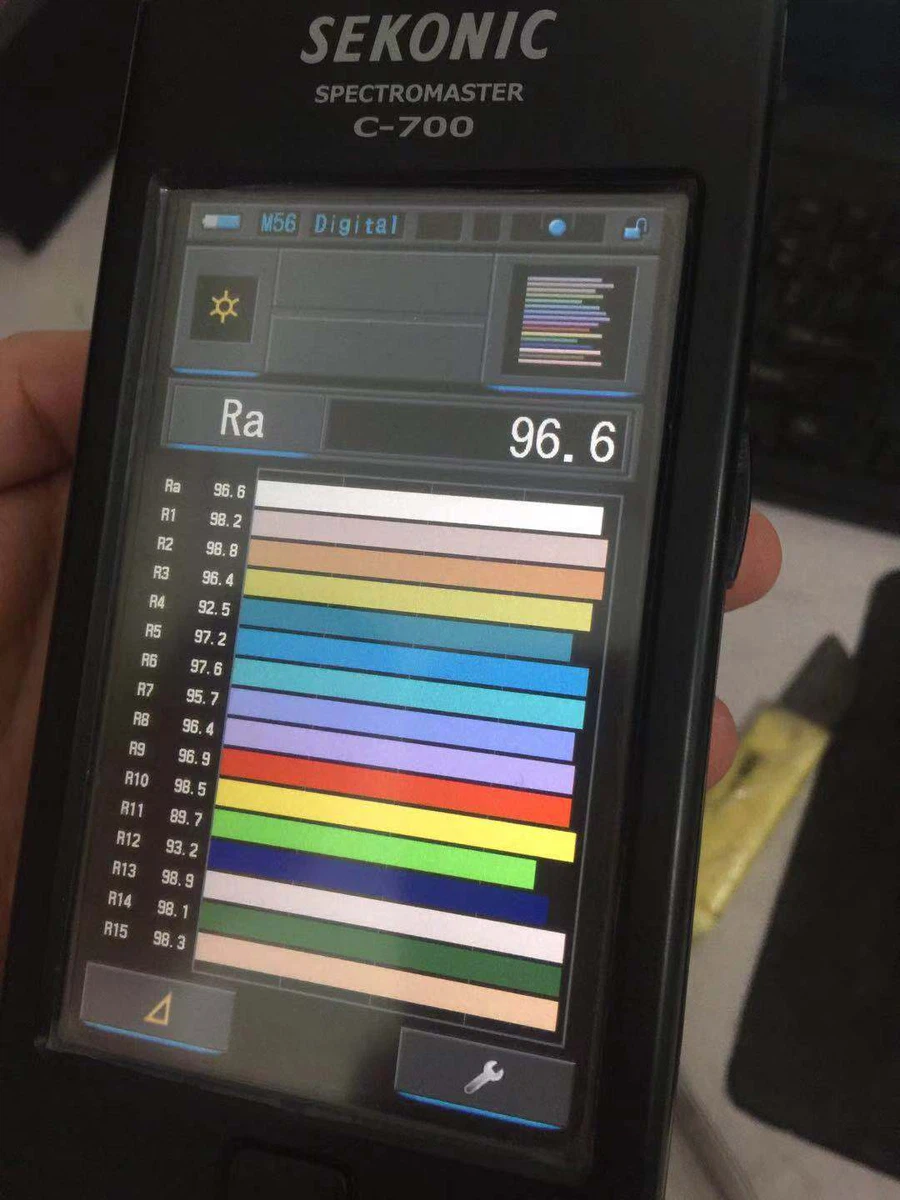
The so-called display index is a measure of the degree of color restoration by light. The color rendering index of natural light is 100. The closer the color rendering index of artificial light sources is to 100, the higher the degree of color restoration. The objects presented to the eyes will be The closer to the natural true color
The full-spectrum light source has a more continuous spectrum and has a stronger ability to restore different colors. Usually the color rendering index is above 90, and the values of R9 and R10 are also relatively high. Some even perform well between R1-R15.
3)The anti-blue light effect is different.
Blue light damage comes from the harmful blue light part in LED lights. Ordinary LED lights use blue light to excite, and the effect of reducing blue light is not obvious, resulting in an extremely high blue light band in the spectrum and a proportion of harmful blue light also very high
Full-spectrum light sources are different. Some use violet light excitation technology, which has a lower proportion of harmful blue light and a higher blue light protection level. It can reach the RG0 standard (the harm caused by blue light can almost be ignored), BENWEI company can produce low blue light and high CRI 95-99 LED to protect people eyes





