

Research Introduction
Development and Application Status of Colorful LED Strip Lighting
With the continuous upgrading of indoor and outdoor architectural lighting design, low-power, high-flexibility and high-color-adjustable LED strip lights have become core decorative and auxiliary lighting fixtures in modern lighting engineering. Traditional monochromatic light strips can no longer meet the diversified scene atmosphere creation and functional lighting demands of commercial spaces, residential interiors and outdoor landscape environments. Multicolor adjustable LED strips represented by RGB and RGBW products have been widely popularized by virtue of flexible installation, rich color gamut and intelligent dimming performance. However, there are essential differences in internal chip structure, photoelectric performance, luminous mechanism and applicable scenarios between the two types of products, leading to obvious differentiation in practical engineering application effects.
Research Significance of Comparative Performance Analysis
In actual lighting engineering design and civilian decoration scenarios, many users lack systematic cognition of the performance differences between RGB and RGBW strip lights, resulting in unreasonable product selection, unqualified lighting effects and wasted functional attributes. Blind selection of single-color-adjustable light strips cannot balance scene atmosphere creation and basic functional lighting demands. Based on photoelectric principle and lighting application standards, this paper systematically compares the structural mechanism, luminous performance, brightness parameters and energy consumption characteristics of RGB and RGBW strip lights, clarifies their respective application boundaries, and provides scientific selection basis for engineering designers and end users.
Overall Research Framework
This study firstly analyzes the internal chip composition and luminous principle differences of RGB and RGBW strip lights, then conducts quantitative comparison in terms of color rendering capability, overall brightness performance and energy utilization efficiency, further summarizes the advantages, defects and applicable scenarios of the two products, and finally forms a targeted product selection strategy based on differentiated lighting demand types.

Structural Composition and Luminous Mechanism Differences
Chip Configuration Structure of Conventional RGB Strip Lights
RGB LED strip light is a basic three-primary-color adjustable lighting product, whose internal luminous unit is independently composed of Red (R), Green (G) and Blue (B) monochromatic LED chips, without independent white light chip configuration. Each lamp bead unit relies on the three-channel independent power adjustment of red, green and blue chips, and realizes full-spectrum color superposition through the optical color mixing principle of three primary colors. The product completes all color output effects based on physical mixing of monochromatic light sources, and all luminous outputs are derived from the spectral combination of the three basic color chips.
White Light Implementation Principle and Limitations of RGB Strips
Restricted by the lack of independent white light chips, RGB strip lights cannot output standard pure white light through a single light source. The so-called white light effect of RGB strips is realized by equal-proportion simultaneous full-load lighting of red, green and blue three-primary-color chips. Due to the spectral missing of continuous white light spectrum, the synthesized white light has problems such as low color rendering index, color cast deviation and insufficient light purity. The mixed white light presents partial chromatic aberration in actual visual perception, and cannot meet the high-standard pure white light demand for functional lighting such as close-range reading and fine operation lighting.
Optimized Chip Structure of RGBW Strip Lights
RGBW LED strip light is an upgraded optimized product based on RGB three-primary-color structure, which adds an independent White (W) pure white LED chip on the basis of retaining complete R, G, B three-color chips. The four-channel independent control structure enables the strip light to have dual luminous modes: three-primary-color mixed color light output and independent pure white light output. The independent white chip adopts professional full-spectrum white light luminescent materials, with continuous and complete spectral distribution, which makes up for the spectral defects of RGB mixed white light fundamentally.
Independent White Light Luminous Advantages of RGBW Strips
Different from RGB mixed white light, the white light output of RGBW strip lights comes from the independent luminescence of professional white LED chips, without relying on three-primary-color superposition and mixing. This luminous mode can output high-purity, high-color-rendering standard positive white light, neutral white light and warm white light, which completely conforms to the illuminance standards of human daily functional lighting. Meanwhile, the four-chip collaborative structure further enriches the color superposition modes, realizing more delicate color gradient and light tone adjustment effects than traditional RGB strips.
Brightness Performance and Luminous Efficiency Comparative Analysis
Overall Brightness Level Differentiation
Under the same power specification, lamp bead density and working voltage conditions, RGBW strip lights have significantly higher overall effective brightness than RGB products. The core reason is that the independent white light chip of RGBW strips has higher luminous efficiency per unit power than the mixed superposition light of three primary colors. When realizing the same visual light effect, the single-chip white light output of RGBW strips concentrates luminous flux, while RGB strips need three-channel simultaneous output to complete light source superposition, resulting in scattered luminous energy and lower effective illuminance. In large-space lighting scenes such as outdoor landscape layout and warehouse auxiliary lighting, the high-brightness attribute of RGBW strips can form uniform and efficient overall light coverage.
Effective Illuminance Attenuation Law of Different Light Sources
In long-distance light projection and large-area radiation scenarios, RGB mixed light has obvious illuminance attenuation. The spectral superposition error of three primary colors will be amplified with the increase of projection distance, resulting in uneven edge light and dark distribution. In contrast, the independent white light and single-color light source of RGBW strips have stable light beam consistency, small long-distance attenuation range and uniform space illuminance distribution, showing better adaptability in large-area space lighting layout.
Energy Consumption Efficiency and Operational Economy Comparison
Energy Consumption Mechanism of RGB White Light Synthesis
When RGB strip lights need to present white light effects, they must start R, G, B three channels at full power simultaneously. The simultaneous operation of three groups of chips leads to overall high power consumption, and the light energy loss caused by spectral superposition and color mixing further reduces effective light energy utilization rate. Most of the electric energy is consumed in the spectral overlapping offset process, forming invalid energy loss, resulting in low energy efficiency of white light mode of RGB strips.
High-Efficiency Energy-Saving Principle of RGBW Independent Light Source
RGBW strip lights can independently start the white light chip according to lighting demands without starting the three-primary-color light source. The single-chip independent output mode avoids multi-channel simultaneous power consumption and spectral superposition energy loss. Under the same white light illuminance standard, the power consumption of RGBW strips is significantly lower than that of RGB mixed white light. In long-term daily functional lighting scenarios, the efficient energy-saving attribute can effectively reduce long-term operation power consumption and improve lighting economic benefits.
Scene Adaptability and Application Boundary Differentiation
Dominant Application Scenarios of RGB Strip Lights
RGB strip lights are suitable for pure atmosphere decorative lighting scenarios that do not require standard white light and high illuminance. Typical application scenarios include stage atmosphere rendering, KTV indoor color lighting, festival temporary color decoration, and background wall dynamic color effect creation. Its advantage lies in flexible and rich color adjustment and diverse dynamic light effects, which can meet the personalized color atmosphere creation demand of non-functional lighting scenes.
Dominant Application Scenarios of RGBW Strip Lights
RGBW strip lights take into account colorful decorative lighting and standard functional lighting performance, with wider application coverage. It is not only applicable to all color atmosphere decoration scenarios of RGB strips, but also competent for high-standard functional lighting such as indoor reading lighting, desk operation auxiliary lighting, large-space venue basic lighting and outdoor fixed landscape lighting. The high-purity white light output and high-brightness uniform illumination make it the preferred product for composite lighting scenes integrating decoration and function.
Comprehensive Advantage and Defect Summary
Performance Characteristics of RGB Strip Lights
RGB strip lights have simple structure, low manufacturing cost and rich dynamic color switching effects, which have cost advantages in single decorative lighting projects. However, they have prominent defects such as inability to output standard pure white light, low white light color rendering, high energy consumption in white light mode and insufficient overall brightness, and cannot independently undertake daily functional lighting tasks.
Performance Characteristics of RGBW Strip Lights
RGBW strip lights realize the integration of color decoration and functional lighting, with the advantages of standard pure white light output, high overall brightness, high energy utilization efficiency and wide scene adaptability. The only limitation is that the four-chip structure leads to slightly higher product cost than traditional RGB strips, which is suitable for high-standard composite lighting engineering and long-term indoor fixed lighting layout.
Conclusion
Core Research Conclusions
Essential differences between RGB and RGBW strip lights originate from internal chip structure and luminous mechanism. RGB products rely on three-primary-color mixing to realize all light effects, with single functional attribute, low white light quality and high energy consumption; RGBW products add independent white light chips on the basis of three primary colors, realizing dual functions of colorful atmosphere decoration and standard white light functional lighting, with higher brightness performance and energy-saving efficiency. The two types of products have their own unique technical advantages and application limitations, and there is no absolute superior or inferior performance.
Scientific Selection Strategy
In practical lighting design and product selection, targeted matching shall be carried out according to actual scene demands. For pure decorative color atmosphere lighting scenarios without white light demand and low illuminance requirements, cost-effective RGB strip lights can be selected. For composite scenarios that need to take into account colorful decoration, standard white light functional lighting, high illuminance output and long-term energy-saving operation, RGBW strip lights with comprehensive performance advantages are the optimal choice. Reasonable product matching based on performance differences can maximize lighting effect and operational economy of LED strip light systems.
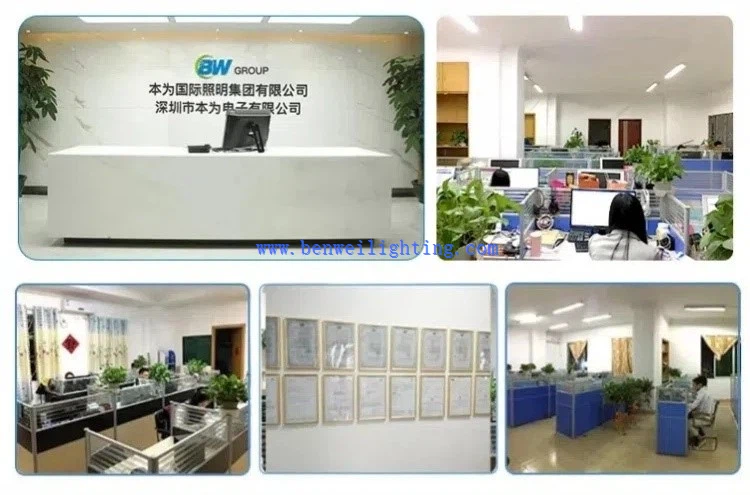
How To Cooperate With Us?
Our firm prides itself on owning its own factory, guaranteeing complete control over the production process and the quality of our goods. We are not only agents; we are manufacturers committed to offering our clients the most competitive rates available. We invite consumers to evaluate our samples first, as we are assured that the quality and pricing of our items are self-evident. Our dedication to excellence and client satisfaction compels us to consistently perform at our best and provide superior quality products.
Our address
3rd Floor, 5th Building, Hebei Industrial Park, Hualian Community, Longhua District, Shenzhen, China





