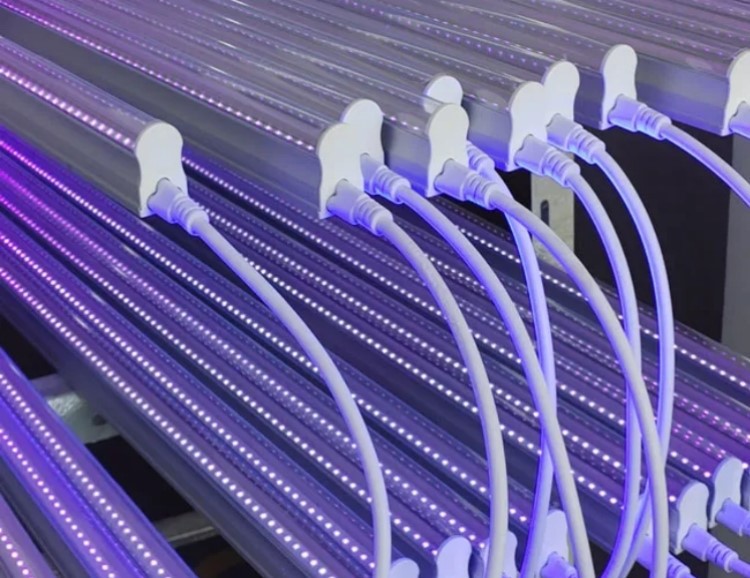
A band of electromagnetic radiation with wavelengths greater than X-rays but shorter than visible light is known as the ultraviolet (UV) spectrum. UV light comes in three different forms: UVA, UVB, and UVC. Each kind affects living things differently and has unique qualities.
UV radiation is well-known for its use in disinfection and sterilisation. It has the ability to eradicate viruses, bacteria, and other microbes. Prolonged exposure to UV rays, however, may also be dangerous for people, increasing the risk of skin damage, eye damage, and even cancer. Consequently, it's critical to understand the many forms of UV radiation and how to shield oneself from its damaging effects.
The strongest UV light type, UVC, has the maximum energy and the shortest wavelength. It is also the UV light kind that poses the most risk. Thankfully, almost all UVC light is blocked by the Earth's atmosphere, shielding us from its damaging effects. However, UVC is used in a wide range of industrial procedures, including the sterilisation of medical equipment and the purifying of water.
With its medium wavelength and intensity, UVB radiation is the cause of cataracts, skin cancer, and sunburns. Although it is not as harmful as UVC, extended exposure to it may still have negative effects. Thankfully, the Earth's atmosphere absorbs the majority of solar UVB radiation, so that very little of it reaches the surface.
Of the three forms of UV radiation, UVA has the longest wavelength and the lowest energy. It is the cause of skin ageing and tanning. It damages collagen and elastin fibres by penetrating the skin deeply. In contrast to UVB radiation, UVA radiation is always present throughout the day and may pass through glass and clouds. Thus, it's crucial to shield oneself from UVA rays even on overcast days.
Even while UV radiation may be damaging, there are techniques to guard against its negative effects. One may effectively lower their exposure to UV radiation by applying sunscreen, wearing protective clothes, wearing sunglasses that filter UV rays, and hiding out in the shade during the hottest parts of the day. Through prudent measures and an understanding of the many forms of ultraviolet radiation, we may get pleasure from sunshine without jeopardising our well-being.