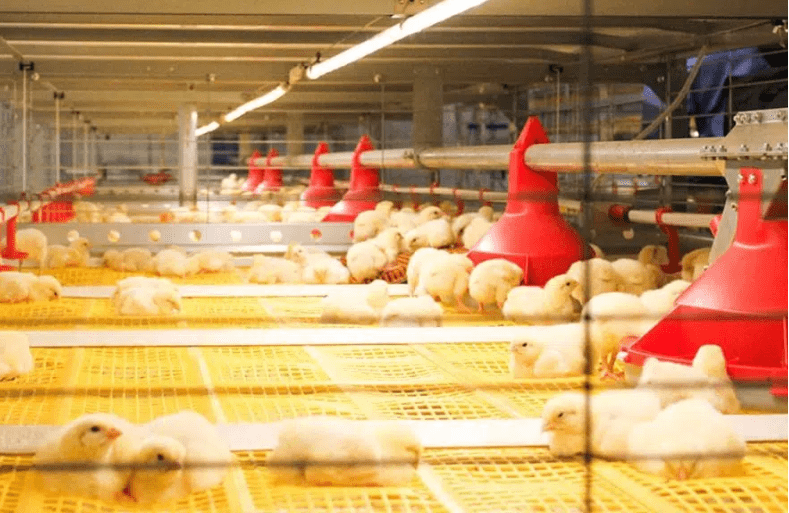
Like all animals, chickens rely on light to perform essential biological functions, from egg laying to overall growth and well-being. The right lighting conditions not only boost egg production but also support healthier feather development, stronger immune systems, and balanced social behavior. In this article, we'll break down the types of light chickens need, key considerations for wavelength and duration, and how to effectively provide proper lighting for your flock-whether you're raising laying hens or backyard chickens.
Natural Light: The Foundation of Chicken Health
Natural light is the most beneficial light source for chickens, providing sufficient illumination for most of the day and supporting their natural biological rhythms. It delivers a full range of wavelengths that promote overall health, including feather growth and immune function. However, in regions with short winter days, natural light alone may be insufficient to maintain consistent egg production. In such cases, supplemental artificial lighting becomes necessary to replicate natural light conditions and regulate the birds' biological functions.
Full-Spectrum Lighting: The Best Artificial Alternative to Natural Light
When natural light is lacking, full-spectrum lighting bulbs are the most effective artificial option for chickens. These bulbs emit light that closely mimics sunlight, containing all wavelengths-including ultraviolet (UV) light-which is critical for chickens' overall health. Full-spectrum light provides the nutrients needed to support healthy feather growth, strengthen the immune system, and maintain normal biological functions, making it the ideal choice for supplemental lighting in chicken coops or housing.
Light Wavelengths: Blue/White Light for Egg Production, Red Light for Calming Effects
The wavelength of light directly impacts chickens' behavior and productivity. Research shows that blue or white light is most effective for stimulating egg production: it activates the brain's pineal gland, alters hormone levels, and encourages laying hens to start producing eggs. However, it's important to avoid overexposure, as too much light can stress chickens, disrupt their circadian rhythms, and negatively affect their health. On the other hand, red light is less effective for egg production but offers calming benefits-it reduces aggression among the flock, eases stress in social dynamics, and contributes to overall well-being.
Optimal Light Duration for Laying Hens
For laying hens, a consistent daylight cycle of 12-16 hours is recommended. Chickens need adequate light to stay active and forage, while also requiring enough darkness to rest and sleep-this balance is crucial for their welfare and long-term health. A consistent light cycle helps chickens develop a natural routine, which supports stable egg production and overall well-being. To maintain consistency, consider installing a timer to regulate lighting duration, preventing extended light exposure that can cause stress.
Summary
In summary, providing the right lighting for chickens is key to their health and productivity. Natural light is optimal, but supplemental full-spectrum lighting is necessary in regions with short days. Blue or white light should be used to stimulate egg production, while red light can help calm the flock. The light cycle must be consistent (12-16 hours of light, with adequate darkness for rest) to support natural rhythms. By following these guidelines, you can ensure your chickens lead healthier, more productive lives.
Now that you understand the essential lighting needs for chickens, if you're looking for high-quality full-spectrum lighting bulbs, wavelength-specific options, or timers to regulate your flock's lighting, please feel free to contact us. Our team of experts can help you select the perfect lighting solutions tailored to your chicken-raising needs, ensuring optimal health and egg production for your birds!