

Fundamental Overview of Modern Flexible LED Light Strip Products
Market Application and Core Functional Characteristics of LED Light Strips
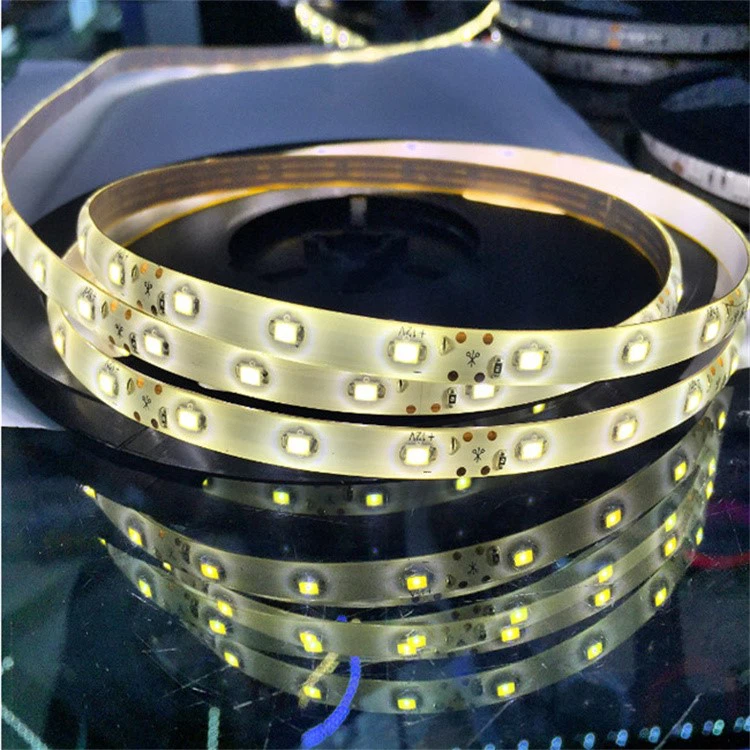
Flexible LED light strips, universally named LED tape lights in global lighting industry, are bendable surface-mounted semiconductor luminous lighting assemblies compliant with IEC 62471 photobiological safety standards and PCB electronic manufacturing specifications. Benefiting from ultra-flexible structural design, low-power electro-optical conversion performance, long service life and customizable length specifications, LED tape lights have achieved large-scale popularization across diversified application scenarios, covering indoor residential ambient decorative lighting, commercial storefront accent lighting, automotive peripheral auxiliary lighting, marine vessel waterproof lighting, stage theatrical atmosphere lighting and temporary outdoor event layout lighting. Different from rigid linear LED luminaires, the whole operational performance, environmental adaptability and structural durability of flexible LED strips are directly determined by base substrate raw materials, luminous semiconductor materials and peripheral electronic auxiliary component materials.
Influencing Factors for Material Selection of Custom LED Light Strips
The overall material configuration of finished LED light strips is not unified, which is adjusted dynamically by manufacturers according to terminal application environment, operating electrical parameters, cost control standards and environmental resistance requirements. Key influencing factors include ambient operating temperature, ambient humidity and corrosion degree, required bending frequency, input working voltage, waterproof protection grade and long-term aging resistance demand. Low-end civilian decorative strips adopt simplified composite material collocation, while industrial-grade waterproof high-temperature resistant LED strips adopt upgraded high-purity raw materials to meet long-term stable operating standards in harsh working environments.
Hierarchical Material Structure Division of Complete LED Light Strips
From industrial structural decomposition perspective, a complete functional LED light strip is divided into three hierarchical material systems: flexible bearing substrate system, luminous semiconductor chip system, and current-regulating peripheral electronic component system. Each material system undertakes independent functional responsibilities: the substrate carries circuit wiring and bears repeated mechanical bending; semiconductor chips complete electric-energy-to-light-energy conversion; electronic auxiliary components stabilize circuit voltage and current to avoid chip burnout. This three-layer material collaborative structure realizes the normal luminous operation of flexible LED tape lights.
Material Classification and Performance Analysis of Flexible Circuit Substrates
Core Function of LED Light Strip Flexible Substrates
The flexible circuit substrate is the foundational carrier of all LED light strips, loaded with etched copper conductive circuits, welded LED chips and soldered electronic components. Apart from bearing electronic parts, the substrate needs to withstand repeated bending folding, ambient temperature alternation, water vapor erosion and external friction scratch during installation and daily use. Substrate raw material performance decides the strip's bending lifespan, heat conduction efficiency, waterproof permeability and structural stability, which is the most critical base material for finished LED tape products.
Polyimide (PI) High-Temperature Resistant Substrate Material
Polyimide (abbreviated as PI) is a high-performance special engineering polymer material with ultra-high thermal stability, anti-radiation performance and insulating property, originally developed for aerospace equipment precision electronic modules and high-power industrial electronic components. PI substrate maintains stable physical structure under continuous operating temperature ranging from -40℃ to 280℃, without thermal softening, melting, brittle cracking or insulating failure. For high-power high-brightness LED strips that generate concentrated operating heat, PI substrates accelerate internal heat dissipation to reduce chip thermal decay. Due to premium heat resistance and insulating performance, PI-based LED light strips are exclusively applicable for closed high-temperature electrical cabinets, industrial high-heat equipment peripheral lighting, kitchen built-in high-temperature decorative zones and other extreme thermal environments where ordinary polymer substrates fail to work stably.
Polyethylene Terephthalate (PET) Light-Duty Flexible Substrate Material
Polyethylene Terephthalate (abbreviated as PET) is a universal lightweight thermoplastic polymer material with balanced flexibility, intrinsic hydrophobicity and low manufacturing cost, widely applied in food sealed packaging, daily consumer plastic parts and low-load electronic circuit carriers. Compared with PI material, PET features lighter texture, better ductility and stronger anti-tearing flexibility, with basic water and moisture isolation performance to resist daily water vapor condensation and weak corrosive medium erosion. Limited by poor high-temperature resistance, PET substrates are only suitable for normal-temperature scenarios. PET-made LED light strips are mainstream products for medium-load scenarios, including automotive interior atmosphere lighting, yacht marine waterproof lighting, household curved ceiling decorative lighting and movable event temporary lighting, meeting frequent bending and conventional waterproof usage demands.
Luminous Semiconductor Material Composition of LED Luminous Chips
Basic Semiconductor Raw Materials for LED Luminescence
The luminous core of every single lamp bead on LED light strips is semiconductor PN junction chip, which relies on carrier recombination to release visible light energy after electrification. Global standardized commercial LED chips adopt two mainstream compound semiconductor raw materials: gallium arsenide (GaAs) and gallium nitride (GaN). The two compound materials have distinct band gap energy values, which fundamentally determine the basic luminous waveband and primary luminous color of LED lamp beads without post-processing coating modification.
Phosphor Coating Auxiliary Luminous Material
To realize customized white light, warm dim light and composite colorful light output, qualified LED chips are covered with a layer of inorganic phosphor coating on the outer chip surface. The phosphor powder collaborates with original semiconductor monochromatic light to complete secondary light mixing, adjusting final emergent light color, color rendering index and luminous saturation. Different phosphor chemical ratios match different usage scenarios: high-color-rendering phosphor coating is adopted for indoor home lighting, and anti-aging high-stability phosphor is configured for outdoor long-term used LED strip chips.
Differentiated Luminous Principle Based on Semiconductor Materials
Gallium arsenide semiconductor chips mainly release long-wave red and infrared visible light after electrified carrier recombination, commonly used for warm tone decorative LED strips; gallium nitride semiconductor chips emit short-wave blue and cool white primary light, serving as mainstream raw materials for high-brightness white light LED strip lamp beads. Manufacturers select targeted semiconductor materials according to terminal color demand to avoid unnecessary secondary optical coating processing, optimizing luminous efficiency and production cost.
Auxiliary Electronic Materials and Industrial Assembly Process Materials
Current-Stabilizing Peripheral Electronic Component Materials
Complete LED light strips are equipped with matched passive electronic components to protect semiconductor chips from overvoltage and overcurrent damage during grid voltage fluctuation. The built-in auxiliary materials include precision carbon film resistors, rectifier silicon diodes and multilayer ceramic capacitors. Resistors limit real-time operating current; diodes prevent reverse current breakdown; capacitors stabilize instantaneous voltage surge. These electronic accessories form a complete shunt voltage-regulating circuit together with copper foil circuits on the flexible substrate, guaranteeing safe and stable long-term electrified operation of LED strips.
Solder Material Adopted by SMT Surface Mount Assembly Technology
All lamp beads and electronic components are fixed on flexible substrates via standardized Surface-Mount Technology (SMT), the mainstream automated electronic assembly process for LED lighting production. The fixed connecting medium is lead-free environmental protection tin solder paste, which forms conductive and adhesive solder pads after high-temperature reflow welding. The tin solder pads realize dual functions: mechanical fixing of tiny components on substrate surfaces and electrical conduction between chip pins and copper circuits. Automated SMT welding ensures millimeter-level precise component arrangement, improving finished LED strip uniformity, circuit conductivity and overall operational reliability.
Optional Outer Protective Encapsulation Materials
For IP65 and above waterproof grade LED strips, transparent silicone glue or PU potting glue is added as outer encapsulation material. The colloid wraps lamp beads and circuit parts integrally, isolating external water, dust and corrosive gas. This outer protective material belongs to auxiliary structural material, enhancing environmental adaptability of PET and PI substrate LED strips for outdoor and wet space installation.
Conclusion
To sum up, commercial flexible LED light strips are composite electronic luminous products composed of multi-type functional materials. The foundational flexible carrier is divided into high-temperature resistant Polyimide substrate and flexible moisture-proof PET substrate for scenario classified use; the luminous core adopts gallium arsenide or gallium nitride compound semiconductor chips matched with customized phosphor coating to determine emergent light color; supporting current control components consist of resistors, diodes and capacitors to stabilize circuit operating parameters. Meanwhile, lead-free tin solder applied in SMT automated assembly realizes firm component mounting and circuit conduction. Material collocation varies by product grade: high-temperature industrial LED strips prioritize PI substrates, while civilian mobile decorative strips adopt cost-effective PET substrates. Scientific matching of all functional materials ensures LED light strips own flexibility, energy-saving luminous performance and environmental durability, adapting to diversified indoor, outdoor, commercial and industrial lighting installation demands.

How To Cooperate With Us?
Our firm prides itself on owning its own factory, guaranteeing complete control over the production process and the quality of our goods. We are not only agents; we are manufacturers committed to offering our clients the most competitive rates available. We invite consumers to evaluate our samples first, as we are assured that the quality and pricing of our items are self-evident. Our dedication to excellence and client satisfaction compels us to consistently perform at our best and provide superior quality products.
Our address
3rd Floor, 5th Building, Hebei Industrial Park, Hualian Community, Longhua District, Shenzhen, China





