

Introduction: Why IP Protection Grade Defines Stadium Lighting Service Life
Unique Harsh Environmental Challenges of Outdoor Stadium Lighting
Outdoor sports stadiums including football fields, basketball courts, and comprehensive sports venues are fully open and unshielded operation scenarios, bringing continuous and complex environmental erosion risks to high-power LED lighting equipment. First of all, meteorological erosion is the most common threat. Stadium lights are exposed to seasonal heavy rain, thunderstorms, strong wind, hail, and high-temperature ultraviolet radiation all year round. Long-term rainwater impact and humid air penetration will erode internal driving circuits and LED chips, causing short circuits and light failure. Secondly, regional environmental pollution cannot be ignored. Coastal venues face persistent salt spray corrosion, while suburban and industrial surrounding venues suffer from large amounts of industrial dust, sand and floating particles. Dust accumulation inside the lamp body will block heat dissipation structures, cause heat accumulation, and accelerate light decay and component aging.
In addition, stadium lighting equipment has two major exclusive usage pain points. On the one hand, venue daily maintenance usually adopts high-pressure water gun overall cleaning, which puts forward higher requirements for the lamp's resistance to high-pressure water impact. Ordinary low-protection lamps are prone to water seepage during cleaning. On the other hand, stadium lights work continuously for 8–12 hours every night with high power load, and the internal temperature rises sharply. The alternating cycle of high-temperature operation and low-temperature outdoor environment will easily cause aging and deformation of ordinary sealing structures, further reducing environmental resistance. Therefore, the protection grade is not an optional parameter, but a core rigid indicator that determines whether stadium lights can operate stably for a long time.
Hidden Losses Caused by Unmatched Protection Grade
In the procurement process of stadium lighting projects, many purchasers only focus on luminous brightness, power and price, and ignore the matching degree of protection grade and application scenarios, resulting in huge hidden operation costs. Low-standard protection lights will not fail immediately after installation, but their performance will attenuate rapidly within 1–2 years. Common failure phenomena include internal dust accumulation causing poor heat dissipation, water ingress leading to lamp strobing and dimming, salt spray corrosion causing shell rust and circuit breakage, and sealing failure leading to overall lamp scrapping. For large and medium-sized sports venues with dozens or even hundreds of lamps, frequent failure maintenance and batch replacement will generate high labor costs and material costs, and abnormal lighting interruption will also affect venue normal operation and user experience, reducing venue commercial benefits.
More importantly, unqualified protection grade lighting equipment cannot meet the acceptance standards of professional sports engineering projects, resulting in project rectification and delayed delivery. In contrast, stadium lights with professional and high-matching protection grades can achieve long-term stable operation, zero frequent failure, and ultra-low maintenance rate, which fundamentally reduce the full-life-cycle operation cost of the venue and bring stable and lasting lighting value.

Systematic Interpretation of IP Protection Grade Industrial Standards
Definition and Coding Rules of IEC 60529 IP Rating
The IP rating is formulated according to the international IEC 60529 standard, which is specially used to grade the dustproof and waterproof capacity of electrical equipment shells. The complete IP grade consists of two core digits, each representing independent protection performance, and the higher the digit, the stronger the protection capability. The first digit represents the solid particle protection level (dustproof grade), ranging from 0 to 6, which detects the ability of the equipment shell to prevent external solid particles, dust and debris from entering the interior. The second digit represents the liquid protection level (waterproof grade), ranging from 0 to 8, which detects the resistance of the equipment to water splash, water jet, water immersion and water pressure impact.
For all outdoor industrial lighting equipment, the first digit of qualified dustproof grade must reach 6, which means complete dust-tight. When the first digit is less than 6, tiny dust particles will continuously penetrate into the lamp body, adhere to the surface of chips and heat dissipation structures, affect heat conduction and light output, and eventually lead to lamp performance failure. Therefore, all professional outdoor stadium lights take Digit 6 dustproof as the basic threshold, and the core selection difference lies in the difference of the second digit waterproof grade.
Performance Comparison of Mainstream Waterproof Grades for Outdoor Lighting
In the outdoor lighting industry, the most widely used grades are IP65, IP66 and IP67, which are often confused by purchasers, but their actual protection capabilities and applicable scenarios are completely different, and cannot be substituted for each other. IP65 means dust-tight and protected against low-pressure water jets from any direction, with a test water flow of 12.5L per minute. It can resist daily light rain and ordinary water splash, but cannot withstand heavy rain impact, high-pressure water gun cleaning and long-term humid erosion, and is only suitable for temporary outdoor lighting or sheltered outdoor scenarios.
IP66 achieves dust-tight and resistance to powerful high-pressure water jets in all directions, with a test water flow up to 100L per minute, 8 times the water volume of IP65. It can stably resist heavy rainstorms, strong wind and rain impact, coastal salt spray erosion and daily high-pressure water cleaning, which is the most matching protection grade for long-term open-air stadium lighting. IP67 supports 30-minute temporary immersion in 1-meter shallow water, with ultra-high waterproof performance, but it has over-designed sealing structure, high procurement cost, poor heat dissipation and low cost performance, and is completely unnecessary for conventional stadium lighting scenarios.
Why IP65 Is Not Qualified for Professional Stadium Lighting
Defects of IP65 in Extreme Weather Resistance
Most low-cost ordinary LED floodlights on the market are marked with IP65 protection grade, which is the entry-level standard for outdoor lighting, but it has obvious performance defects in facing the extreme weather of stadium scenarios. In summer thunderstorm and heavy rain weather, continuous high-intensity rainwater impact will break through the sealing limit of IP65 lamps. The weak waterproof structure can only resist scattered water splashes, but cannot withstand continuous powerful water jets, resulting in rainwater penetration into the lamp body. After water ingress, the internal driving power supply will be damp and short-circuited, causing stroboscopic flicker, sudden dimming or direct extinguishing of the lamp.
In high-temperature and high-humidity seasons, the internal airtight gap of IP65 lamps will produce condensation water, which cannot be discharged in time. Long-term damp environment will oxidize and corrode the lamp beads and circuit boards, resulting in accelerated light decay. After 1–2 years of use, the brightness of IP65 stadium lights will drop by more than 35%, which cannot meet the uniform illumination standards of sports venues. In dry and dusty seasons, the insufficient sealing performance of IP65 will lead to fine dust penetration, covering the heat sink and lamp beads, blocking heat dissipation channels, forming high-temperature heat accumulation, and further shortening the service life of the lamps.
Adaptability Defects of IP65 in Daily Venue Maintenance
Regular cleaning is an essential daily maintenance work for sports venues. After long-term operation, the surface of stadium lights will accumulate dust, fallen leaves, bird droppings and dirt, which affect light transmittance and heat dissipation. Venue managers usually use high-pressure water guns for overall rapid cleaning. For IP65 graded lamps, high-pressure water jet impact will directly break the sealing barrier, resulting in water seepage inside the lamp body. Many venue operators have encountered the problem that lamps work normally before cleaning but fail in large quantities after flushing, which is the typical consequence of mismatched protection grade.
In addition, for coastal stadiums with severe salt spray, IP65 lamps have no anti-corrosion and anti-seepage ability for salt fog. Fine salt spray particles will penetrate into the lamp body along the sealing gap, adhere to the metal circuit and chip pins, cause electrochemical corrosion, and lead to circuit disconnection and lamp scrapping in severe cases. Therefore, IP65 can only meet the temporary and low-frequency outdoor lighting needs, and is completely unable to adapt to the long-term high-frequency, all-weather and high-maintenance operation mode of professional stadiums.
IP66: The Gold-Standard Protection Grade for Stadium Outdoor LED Lights
Core Structural Design of IP66 High-Protection Stadium Lights
Our modular high-power LED stadium lights adopt industry-leading IP66 full protection grade, which is realized through professional industrial structural optimization and high-quality material configuration, not nominal grade marking. First of all, the whole lamp adopts integrated die-cast aluminum alloy one-piece forming structure, without assembly splicing gaps, which fundamentally avoids dust and water penetration risks caused by loose assembly. The shell is thickened and reinforced, with high structural rigidity, which can resist external impact and vibration, and prevent sealing deformation caused by structural distortion.
Secondly, the lamp body is equipped with high-elasticity weather-resistant silicone rubber sealing strips, which have excellent compression resistance, high temperature resistance and aging resistance. Different from ordinary rubber strips that are easy to harden and deform, the customized silicone sealing strips can maintain stable elasticity in the temperature range of -40℃ to 85℃, ensuring long-term tight fitting of the lamp cover and shell. In addition, the product is designed with a built-in waterproof breathable valve, which can balance the internal and external air pressure of the lamp body, discharge the tiny moisture generated by temperature alternation, avoid condensation water accumulation inside the lamp, and thoroughly solve the hidden danger of damp failure of traditional sealed lamps.
All-Weather Environmental Resistance Performance Advantages of IP66
The IP66 protection grade enables the stadium light to achieve comprehensive and stable environmental resistance in all complex outdoor scenarios. In terms of waterproof performance, it can resist powerful high-pressure water jets from any direction, fully adapt to heavy rainstorm weather, flood splashing and daily high-pressure water gun cleaning, with zero water ingress and zero circuit failure. In terms of dust resistance, the complete dust-tight design ensures that no fine dust particles enter the lamp body, keeping the internal heat dissipation structure and chip components clean forever, avoiding heat dissipation blockage and light decay caused by dust accumulation.
In terms of anti-corrosion performance, the high-strength aluminum alloy shell is matched with electrostatic anti-corrosion spraying technology, which can effectively resist coastal salt spray corrosion, industrial acid-base gas erosion and outdoor oxidative aging. It can maintain intact shell structure and stable sealing performance after 10 years of outdoor open-air use. Whether it is high-temperature summer exposure, low-temperature winter freezing, dry windy sand weather or humid rainy season, the lamp can maintain stable working state, without stroboscopic, dimming, water ingress and rust failure, realizing true all-weather trouble-free operation.
IP66 Long-Term Value for Stadium Operation
The high-standard IP66 protection grade brings unprecedented long-term cost-saving and stable operation value for stadium operators. First, it greatly reduces the failure rate of lamps. Compared with IP65 lamps which are prone to failure in 1–2 years, IP66 stadium lights have ultra-low failure rate in the whole life cycle, eliminating frequent maintenance and replacement work. Second, it effectively delays light decay and extends service life. The tight and stable internal environment avoids component aging caused by dust, moisture and corrosion, so that the lamp can maintain more than 70% initial lumen output after 50,000 hours of operation, and the service life is 2–3 times that of ordinary low-protection lamps.
In addition, the IP66 high-protection design improves the safety of stadium lighting. The fully sealed isolation structure can effectively prevent electric leakage risks caused by water ingress and damp circuits, ensuring the safety of venue staff and sports personnel. For commercial sports venues, stable and failure-free lighting equipment avoids operation interruption caused by lamp failure, ensures normal venue opening and event holding, and maximizes economic benefits. For public venues such as schools and communities, it reduces public maintenance investment and improves public facility service quality.
Scenario-Based Protection Grade Selection Guide for Different Stadiums
Standard Configuration for Ordinary Football & Basketball Venues
For conventional community basketball courts, school amateur sports fields and ordinary football training fields with general environmental conditions, IP66 protection grade is the basic mandatory standard. These venues are open-air for a long time, with frequent daily use and conventional cleaning needs. Low-standard IP65 products will definitely have performance attenuation and failure problems within the warranty period, while our IP66 modular LED stadium lights can perfectly adapt to daily wind, rain and dust erosion, ensuring 8–10 years of stable operation without major failure, with extremely high cost performance.
Enhanced Configuration for Coastal, Suburban and Industrial Venues
For coastal sports venues with severe salt spray, suburban venues with much sand and dust, and sports fields around industrial parks with serious air pollution, the protection grade of lamps is required to be strictly IP66, and anti-corrosion and dust-proof performance are the core assessment indicators. Our products adopt integrated anti-corrosion structure and full dust-tight design, which can long-term resist salt spray corrosion and dust accumulation, solve the problem of easy damage of lighting equipment in complex environments, and avoid repeated investment and frequent maintenance caused by environmental erosion.
Professional Configuration for High-Frequency Commercial & Competition Venues
Commercial sports parks and professional competition stadiums have high operating frequency, long daily opening hours, high requirements for lighting stability and safety, and strict engineering acceptance standards. Such venues must use IP66 high-protection stadium lights, eliminating all potential failure risks caused by insufficient protection. The stable all-weather performance ensures zero lighting failure during competitions and business operations, meets national and international sports venue lighting engineering standards, and supports high-definition live broadcast and long-term standardized operation of venues.
How to Identify True IP66 Professional Stadium Lights (Avoid Industry Pitfalls)
Distinguish Nominal Grade from Actual Tested Grade
There are a large number of inferior products in the lighting industry with false IP grade marking. Many merchants falsely mark IP66 for IP65 lamps to attract low-price orders. The fundamental difference is whether the products pass the official IEC 60529 standard third-party high-pressure water jet test and dust tightness test. Our modular LED stadium lights have passed professional third-party IP66 certification, with complete test reports and qualification documents. Every batch of products strictly implements IP66 protection standards in production and testing, with consistent nominal and actual performance, which can be used as engineering acceptance basis.
Judge Protection Performance from Structural Details
True IP66 stadium lights must have three core structural features: integrated seamless shell, high-elasticity aging-resistant sealing system and waterproof breathable balance valve. Inferior false-standard products mostly use split assembly shells with obvious gaps, ordinary easy-aging rubber strips, and no breathable balance structure. Users can quickly identify high-quality products through structural details. Our products adopt all integrated forming process, no splicing gaps, matched with customized weather-resistant sealing components, which can maintain IP66 protection performance for more than 10 years, without sealing aging and performance degradation.
Conclusion
The protection grade is the core lifeline of outdoor stadium LED lights, which determines the equipment stability, service life, maintenance cost and comprehensive investment return of sports venue lighting projects. Through systematic industrial standard analysis and scenario adaptation verification, it is fully proved that IP65 is only the entry-level outdoor lighting standard and cannot meet the long-term all-weather operation needs of professional stadiums; IP67 has excessive performance and high cost, with low practical value for conventional stadium scenarios; IP66 high dust-proof and high-pressure waterproof grade is the exclusive gold-standard protection grade for football, basketball and various outdoor sports stadium lighting.
Our modular high-power LED stadium lights rely on professional IP66 protection design, integrated anti-corrosion and dust-proof structure, and all-weather environmental resistance performance, perfectly solving various failure pain points of traditional low-protection stadium lights in outdoor use. It not only meets the strict engineering acceptance standards of professional sports venues, but also greatly reduces the full-life-cycle operation and maintenance cost for venue operators, with outstanding energy-saving effect, ultra-low light decay and ultra-long service life. For any outdoor stadium lighting new construction and renovation project, selecting genuine IP66 graded professional LED stadium lights is the most cost-effective, safest and most reliable investment choice, which can create stable, high-standard and long-lasting professional lighting environment for sports venues.
How To Cooperate With Us?
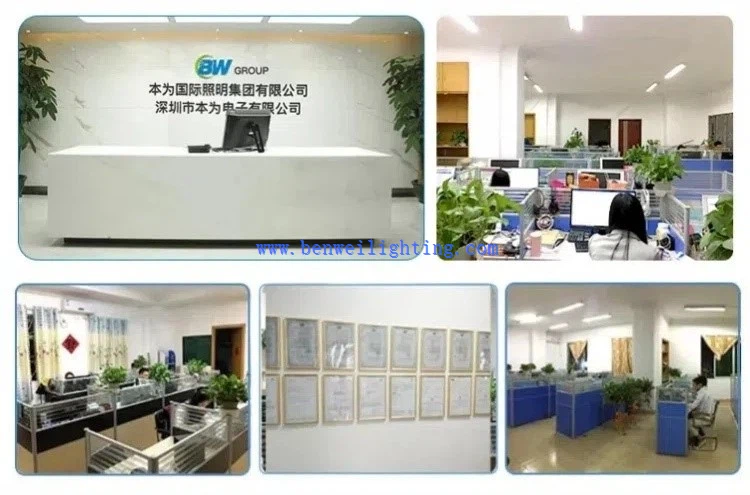
Since we have our own facilities, we are pleased to have complete control over the production process and the quality of our goods. We are committed to giving our clients the finest prices since we are manufacturers rather than just brokers. We encourage buyers to see our samples first since we are certain that the cost and calibre of our items are transparent. Our dedication to excellence and client happiness motivates us to consistently provide superior products.
Our address
3rd Floor, 5th Building, Hebei Industrial Park, Hualian Community, Longhua District, Shenzhen, China





