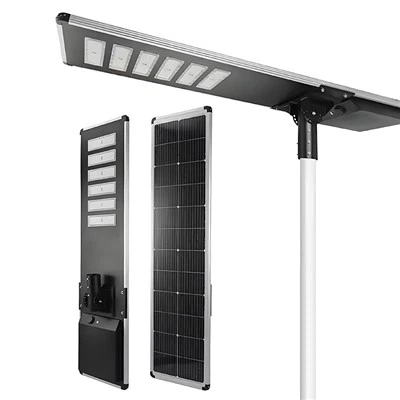
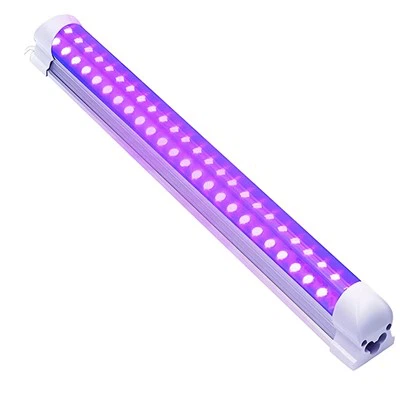
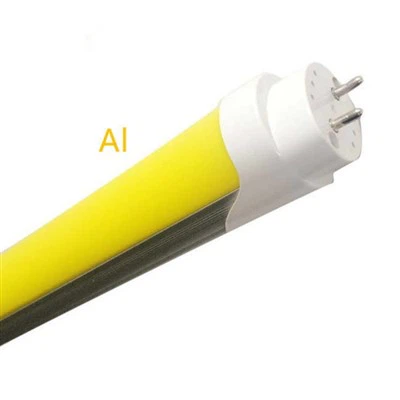
Functional Illumination as the Foundation of Arena Atmosphere
Performance-Driven Visibility for Athletes
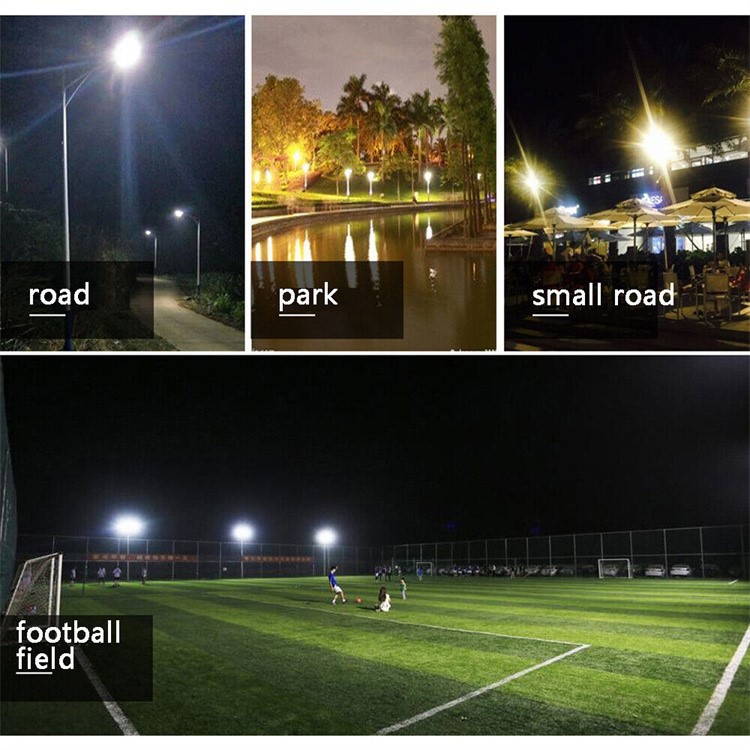
Proper lighting directly affects athletic performance and safety. Illuminance levels must comply with sport-specific standards (e.g., IESNA RP-6 for sports lighting) to ensure that players can track fast-moving objects without visual strain or delay.
Luminance uniformity ratio: For basketball arenas, the uniformity (minimum-to-average illuminance) should exceed 0.7 to eliminate dark patches on the court. Overhead linear or modular LED systems achieve this by distributing light evenly across the playing surface.
Glare control: High-angle floodlights in baseball stadiums are strategically positioned to avoid casting shadows in the batter's line of sight or on infield playing zones. Shielding and asymmetric optics reduce direct glare for both players and spectators.
Spectator Visual Comfort and Game Perception
For fans, lighting determines the clarity of action perceived from seating areas. Inadequate or poorly directed light can cause squinting, fatigue, and reduced enjoyment.
Adaptive lighting zones: Soccer stadiums often employ separate lighting circuits for the pitch and the stands, allowing dimming of spectator areas during play to enhance contrast of the ball against the field.
Color rendering index (CRI): A CRI of 90 or above is recommended for broadcast-quality events, ensuring that team jerseys, ball markings, and facial expressions appear natural and vibrant.
Spectacle Creation Through Dynamic and Theatrical Lighting
Pre-Game and Halftime Show Enhancements
Lighting transforms an arena from a utilitarian venue into a stage for drama. Dimming house lights and deploying moving-head spotlights, strobes, and laser effects intensifies anticipation.
Player introductions: NBA arenas routinely use a "dark arena" protocol with narrow-beam follow spots on each player, accompanied by programmable RGB LED wall washes. This technique raises heart rates and vocal engagement among fans.
Projection mapping: High-lumen projectors can cover the entire playing floor or ice rink with animated graphics, team logos, or countdown timers, creating a multisensory experience synchronized with music.
In-Game Moment Amplification
Lighting cues tied to live game events heighten emotional peaks.
Score-triggered effects: Upon a home team goal or touchdown, instantaneous flashes from strobe arrays or rapid color changes from LED battens reinforce crowd cheering.
Video board integration: Lighting controllers linked to the arena's video replay system can dim or color-shift in harmony with on-screen content, blurring the boundary between the physical and broadcast environment.
Emotional Connectivity and Collective Fan Engagement
Section-Specific Lighting and Participation Signals
Targeting light toward seating areas fosters a sense of active involvement rather than passive observation.
Seat-mounted LED systems: Several baseball stadiums have installed seat-back LEDs that flash in patterns (e.g., "home run rings") or display animated waves across the stands. This technology turns spectators into part of the visual performance.
Crowd spotlighting: During timeouts or between innings, robotic searchlights sweeping across the stands encourage fans to wave and cheer, generating shareable moments for social media.
Psychological Impact of Light Color and Intensity
Research in environmental psychology indicates that warm color temperatures (2700K–3000K) promote relaxation, while cool white (5000K–6500K) increases alertness. Arena designers leverage these effects:
High-intensity cool white during play keeps arousal levels elevated.
Dynamic transitions to warm amber or red after a victory celebration sustains euphoria without abrupt darkness.
Breathing effects (gradual dimming and brightening) during tributes or moments of silence convey respect while maintaining visibility.
Branding and Marketing Integration via Lighting Design
Chromatic Alignment with Team Identity
Lighting serves as an ambient extension of team branding, reinforcing loyalty and merchandise sales.
Monochromatic schemes: For the Seattle Seahawks, stadium floodlights can be filtered to blue and green hues that match the official palette, even during warm-ups. LED arena rings (e.g., at Mercedes-Benz Stadium in Atlanta) cycle through team colors after each score.
Logo projection: Gobos or digital projectors cast the team emblem onto the center court or center ice before opening tip-off, creating a branded "hallowed ground" effect.
Sponsor Activation and Event-Specific Customization
Lighting infrastructure can be monetized by offering programmable slots for sponsor messages.
Dynamic LED ribbon boards around the seating bowl change color and pattern to highlight sponsor logos during TV timeouts.
Themed nights: For holiday or charity games, lighting adopts themed colors (e.g., pink for breast cancer awareness, rainbow for Pride nights), aligning the arena atmosphere with broader community messaging.
Conclusion
Lighting in sports arenas operates on multiple simultaneous levels: functional, theatrical, emotional, and commercial. Properly designed and controlled lighting systems improve athletic performance, reduce visual fatigue, amplify memorable moments, foster communal excitement, and strengthen brand loyalty. As LED and networked control technologies continue to evolve, the strategic role of lighting will only expand-transforming arenas from mere venues into immersive, emotionally charged environments. For any sports facility manager or event organizer, prioritizing advanced lighting design is no longer an aesthetic luxury but a competitive necessity.

How To Cooperate With Us?
Our firm prides itself on owning its own factory, guaranteeing complete control over the production process and the quality of our goods. We are not only agents; we are manufacturers committed to offering our clients the most competitive rates available. We invite consumers to evaluate our samples first, as we are assured that the quality and pricing of our items are self-evident. Our dedication to excellence and client satisfaction compels us to consistently perform at our best and provide superior quality products.
Our address
3rd Floor, 5th Building, Hebei Industrial Park, Hualian Community, Longhua District, Shenzhen, China