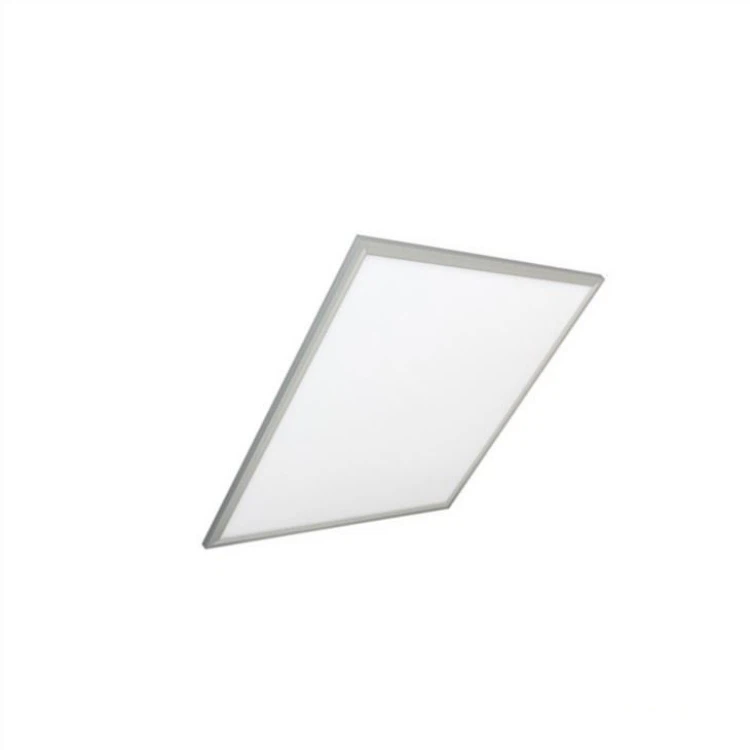
The energy-saving, durable, and eco-friendly qualities of LED lighting have made it more and more popular in recent years. Panel lights and LED ceiling lights are two common choices for interior illumination. Even though they both make use of LED technology, there are certain distinctions between the two that can make one more suited for a given use case than the other. We'll examine the key distinctions between panel and LED ceiling lights in this post.
First of all, panel lights are recessed into the ceiling, while LED ceiling lights are usually surface-mounted on the ceiling. This implies that although panel lights are more subdued and give off a sleek, contemporary appearance, LED ceiling lights are more noticeable and may serve as decorative elements in a space. Additionally, there is a greater variety of forms and patterns available for LED ceiling lights, such as square, round, and even irregular shapes. In contrast, panel lights often have a rectangular design.
Second, the way that light is distributed differs between panel lights and LED ceiling lights. LED ceiling lights generate light in all directions, distributing light evenly and widely, making them perfect for general room lighting. In contrast, panel lights use a diffuser to uniformly distribute light over a wide surface area, producing a gentle and consistent glow. Panel lights are thus more appropriate for activities like reading, working, or studying that need for focused, concentrated illumination.
Thirdly, there are differences between the installation requirements of panel lights and LED ceiling lights. Since LED ceiling lights may be surface-mounted onto the ceiling using screws or brackets, installation is rather simple. However, panel lights cannot be fitted unless there is a recessed area in the ceiling. This implies that in order to install the panel, a hole must be created in the ceiling and it must be made sure the panel fits the area firmly. Because ceiling space may be allocated ahead of time in new or refurbished structures, panel lights are a better alternative.
Fourthly, the energy efficiency of LED panel lights and ceiling lights varies. Although the energy-saving qualities of LED technology are already well known, panel lights outperform ceiling lights in terms of efficiency. This is so that panel lights may achieve the same or even higher output than ceiling lights with fewer LED chips. Panel lights are a safer and cooler lighting alternative since they produce less heat due to their fewer number of chips.
Finally, there are maintenance and replacement differences between LED panel lights and ceiling lights. Since LED ceiling lights are surface-mounted and simple to clean or replace, they are usually low maintenance. Panel lights, on the other hand, need expert installation and need more work to repair since they are set into the ceiling. Panel lights, on the other hand, need fewer replacements since they typically last longer than ceiling lights.
In conclusion, depending on the particular requirements of the space, LED panel lights and ceiling lights are both excellent choices for interior illumination. Panel lights are best utilized for focused and concentrated lighting, whilst LED ceiling lights are more appropriate for broad illumination and ornamental applications. Panel lights employ fewer LED chips than other choices, yet both are still energy-efficient. The choice between panel and LED ceiling lights ultimately comes down to the size, function, and amount of ceiling space in the area. Without a question, LED panel lights and ceiling lights are excellent options for anybody wishing to enhance their homes or workplaces, given the numerous advantages of LED lighting.
https://www.benweilighting.com/professional-lighting/led-ceiling-lighting/panel-light.html