What You Need To Know about the pros and cons of LED lighting Now!
LED Lighting: Advantages And Drawbacks
Enjoy these LED lighting benefits and drawbacks!
Advantages Of LED Lighting
1. Electricity Savings
Energy economy is one of the main benefits of LED illumination. In reality, compared to conventional illumination, LED bulbs can save up to 90% of energy. Your expenses may be significantly reduced as a result. Furthermore, LEDs produce very little heat, making them more energy-efficient in their use of energy.
HOW CORRECT ARE LED LIGHTS?
Due to their lower energy consumption and extended lifespan, LED lights are more effective than conventional illumination. In contrast to incandescent lights, which only turn 10% of the energy they use into light, LEDs change 90% or more.
Additionally, LED lights generate a negligibly small quantity of heat, minimizing the energy wasted through cooling systems. By producing heat instead of light, conventional light bulbs squander at least 90% of their energy. LED illumination doesn't experience this, which is why they are so effective!
2. Prolonged Usage
The extended lifetime of LED lighting is an additional advantage. Unlike incandescent bulbs, LEDs are made to last up to 50,000 hours, which is a much longer lifespan. As a result, LEDs won't need to be changed as frequently, which will improve long-term benefits.
3. Low Heat Emission
Compared to other kinds of light sources, LEDs produce incredibly little heat. Because of this, they are perfect for hot climates, sensitive equipment, enclosed spaces, and cutting-edge hydroponic or aquaponic farming.
LEDs are also safe to use around people and animals because they don't emit UV radiation.
4. Dimmable
You can quickly and easily dim lighting LEDs, allowing you to change the brightness of the lights to suit your needs. This may be helpful for altering the atmosphere or tone of a space.
5. Flexibility
There are many uses for LED lighting, including task lighting and general lighting. Furthermore, LED lights are available in a variety of sizes and designs, making them appropriate for almost any purpose.
6. Eco-friendly
Because they use less energy than conventional lighting, last longer, and produce less heat, LED lights are also more environmentally friendly. As a result, there are fewer carbon emissions and greater sustainability thanks to reduced energy use and cooling demand.
Additionally, LED lights are safer for the environment and more environmentally sustainable because they don't contain harmful substances like mercury or lead. Not shabby for this intriguing green technology illustration!
One drawback of LED lighting is its higher upfront cost.
The higher initial expense of LED lighting is one of its major disadvantages. Although LEDs are more expensive up front, they are more energy-efficient and last longer than conventional bulbs. However, because of their energy efficiency, you will eventually pay less for your energy.
2. Abrasive Lighting
The harsh light quality of LED lighting is another drawback. For some applications, the intense, focused light that LED bulbs emit may be too strong.
Additionally, unlike conventional lamps, LED lights are unable to simulate a "point source" of light. As a result, an LED bulb's light is less dispersed and may cast glare or silhouettes in particular places.
3. Compatibility Issues With Current Fixtures
The fact that LED illumination might not work with current fixtures is another possible problem. Many older fixtures were made to work with incandescent bulbs, so LED bulbs might not fit in them. In addition, certain LED bulbs need unique fixtures to work properly.
Design considerations for LED lighting. Color Intensity of Light. When creating with LED lighting, light color temperature is a crucial element to take into account. The tone of the light that a lightbulb emits is described by its color temperature, which is expressed in Kelvin (K). The color temperature of warm white light is lower (2'700-3'000 K), while the color temperature of cold white light is greater (5'000-6'500 K).
Brightness And Intensity Of The Light. When designing an LED lighting solution, it's crucial to take light intensity and brightness into account. Lumens are a unit of measurement used to express the amount of light that a light source emits. The amount of light that can be seen in a specific region is described by the luminosity of a light, which is expressed in lux.
Index of Color Rendering (CRI). When designing with LED lighting, the color rendering index (CRI) is an additional crucial factor to take into account. CRI gauges how true to life colors appear when exposed to a specific light source. Colors will appear more accurate and vibrant under the specified light source if the CRI is higher. Replacement of LED Bulbs for LED Lighting LED bulbs need to be changed when they no longer generate enough light or when they get too dim. To ensure optimal performance and energy efficiency, LED bulbs should be replaced as soon as possible.
How to Clear LED Lamps
Periodic cleaning is necessary to preserve the performance and life of LED lights. Use a soft towel moistened with tepid water or a gentle detergent solution to clean LED lights. Avoid using any abrasive cleansers or chemicals as they may scratch the bulb's surface.
Are LED Light Bulbs Pricey?
Despite being frequently more expensive than standard bulbs, LED bulbs are worthwhile investing in for a variety of reasons.
Due to their high energy efficiency, LED lights can use up to 90% less energy. Therefore, you will ultimately save money on your energy cost.
Additionally, LED lights have an average lifespan of up to 25,000 hours, which is significantly greater than that of conventional solutions. Because of this, you won't have to change your lights as frequently, saving you both time and money.
Additionally, LED bulbs output very little heat. As a result, they won't make your air conditioner work harder to cool down your house or place of business.
In addition to being highly customizable, LED bulbs can be used in a variety of settings, including both indoor and outdoor lighting.
How long ought LED lights to last?
The typical lifespan of an LED bulb is between 25 000 and 50 000 hours. Compared to conventional incandescent bulbs, which typically last around 1000 hours, this is a considerable increase in lifespan.
It is crucial to remember that LED bulbs eventually need to be replaced because they do not last indefinitely. In order to ascertain the expected lifespan of the specific bulb you have purchased, it is crucial to read the manufacturer's instructions.
It's also crucial to keep in mind that variables like temperature and voltage fluctuations can shorten the lifespan of any LED bulb. The lifespan of the bulb may be significantly shortened if it is subjected to high or low voltage levels or extreme temperatures. It's critical to keep your LED bulbs within the recommended temperature and voltage ranges if you want them to last as long as possible.
Conclusion
In general, there are advantages and disadvantages to LED lighting that should be taken into account. On the one hand, LED lighting is cost-effective, durable, and delivers a constant level of light. On the other hand, installation can be pricey and may call for extra hardware like processors or dimmers.
In the end, it's up to you whether or not to use LED lighting. Before choosing LED illumination that best fits your requirements and price range, weigh all of the advantages and disadvantages of this technology. You can decide whether LED lighting is the best option for you after considering this information.
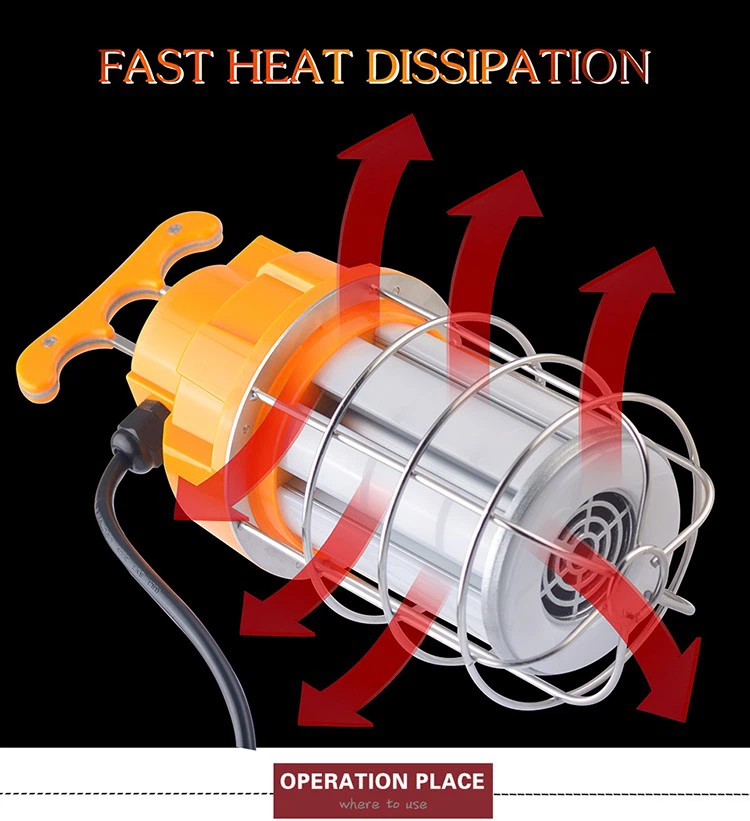
Now Benweilight strongly recommend A new product of temporary work lights, If you are interested in it, you can click the following pictures for more information about it.