

Probably one of the most used LED light bulbs, E27 LED bulbs are a staple in residential and commercial establishments. It's typically used with table and floor lamps, pendant lights, ceiling fixtures, wall lamps, etc.
An E27 LED light bulb has a screw base with a 27mm diameter. It comes in different varieties, such as incandescent, fluorescent, and LED. If your aim is to find the brightest and most energy-efficient LED light bulb, LED is the category that you should zoom in on. How bright can they be?
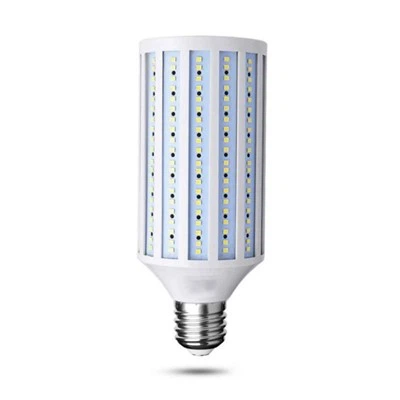
Understanding LED Brightness
When measuring the brightness of an LED bulb, is it quantified using lumens or watts? The measurement for brightness is lumens, whereas watts are for power. So, don't get confused since you may miss out on a lot if you think an LED E27 bulb with only 8 watts is too dim for your requirements!
Because LED light bulbs are highly efficient, they only require a little power to produce outstanding luminance. Even if the energy consumption is only 8.5 watts, it can produce 806 lumens maximum luminance. Producing the same brightness will require about 60 watts or more for an incandescent bulb!
Key Factors Affecting Brightness in E27 LED Bulbs
Earlier, it's been established that lumens measure the brightness of an E27 LED bulb. However, what makes one E27 bulb more promising than another? What factors can affect the production of luminance?
Quality of the LED Chip
If an incandescent bulb produces light using a filament, an LED bulb uses an LED chip. The higher the quality of the chip, the more premium the light quality it displays. When choosing an LED bulb, check the type of LED chip the manufacturer used. It's typically mentioned in the product description or the bulb's packaging.
Colour Temperature
Even if the bulb has the same lumen output, the appearance of cool white, natural white, and warm white light will look different. The colour temperature of the bulb can influence your perception of light, so cool white may appear brighter than warm white or natural white. Typically, cool white and natural white are employed for task lighting, while warm white is perfect for ambient lighting!





