

The effects of light on plant growth go beyond illumination. Light hue and spectral content affect plant morphology, photosynthesis, flowering, and fruiting. Which light is best for plant growth-red, blue, or full-spectrum-depends on the plant kind, growth stage, and cultivation goal.
Effects of Red and Blue Light
Plant photosynthesis works best with red and blue light. The larger wavelength of red light is absorbed by photosynthetic pigments and drives photosynthesis, elongating plant stems, expanding leaves, and flowering. It is essential for plant energy buildup. A shorter wavelength blue light contributes in photosynthesis and regulates plant shape significantly. It regulates stomata, chlorophyll synthesis, and stem elongation, making the plant more compact and sturdy. Insufficient blue light can cause excessive plant growth, whereas insufficient red light can delay flowering.
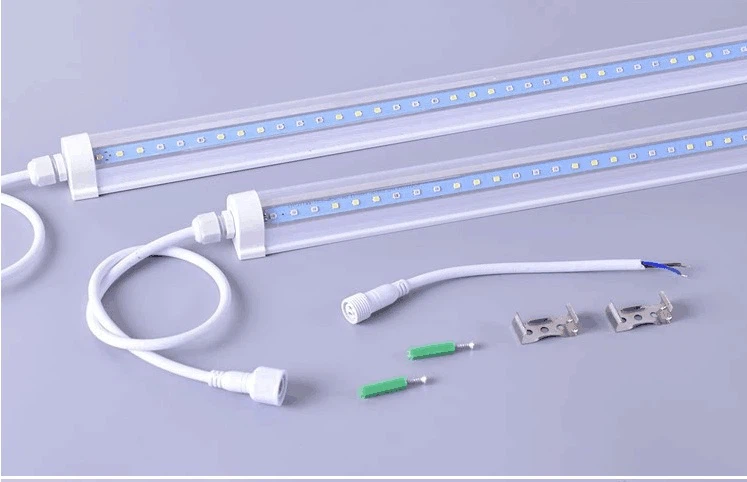
| Power | 9W 18W 23W 25W |
| Size | 60CM 120CM 150CM |
| Color Temperature(CCT) | Full spectrum |
| Luminous Efficiency(LM/W) | 120LM/W 140LM/W 160LM/W |
| Color Rendering Index(Ra) | >90 |
| PF | >0.90 |
| Beam angle | 180degree |
| Waterproof | IP65 IP67 Waterproof |
| Material | Aluminum Body+ PC cover |
| Input Voltage(V) | Triac dimmable 220V AC or 110V AC, 0-10V Dimmable AC85-265V |
| Lifespan (hours) | 50000 |
| Warranty | 5 years |
| Led chip | Epistar 2835 |
| Feature | For plant growing |
Natural benefits of full-spectrum light
Full-spectrum light, especially sunlight-like light, encompasses green and far-red light and spans blue to red. It promotes balanced plant development, unlike monochromatic light, which primarily encourages certain responses. Full-spectrum lighting helps plants photosynthesise and develop naturally, improving leaf color, root development, and stress resistance. Full-spectrum light is the most complete and error-free lighting option for most plants, especially during their growth cycle.
Application Selection and Balance
The circumstance should determine the light in real applications. Adding red light may stimulate blooming or fruiting, but adding blue light may help develop leafy crops or hinder seedling growth. Most indoor growers and home gardeners find full-spectrum lighting the safest and most efficient. It decreases the risk of aberrant growth due to spectral deficits and removes the inconvenience of growth stage spectrum adjustment.
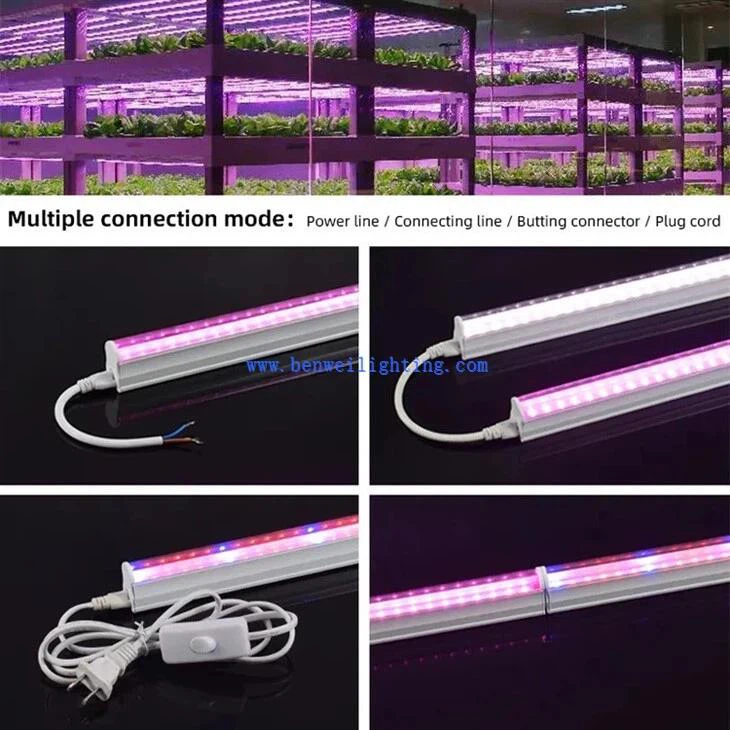
In conclusion, red and blue light have important effects at particular phases, but full-spectrum lighting is better for plant health and growth. It maintains natural light balance and supports plant growth.
For more details about our offerings, please contact us at bwzm18@ledbenweilighting.com.





