

Introduction: The Hidden Core That Determines LED Bulb Lifespan
The Misunderstanding of LED Bulb Purchasing
In the indoor lighting replacement market, A-shape LED bulbs have become the mainstream alternative to traditional incandescent lamps and energy-saving fluorescent lamps due to their standard appearance, versatile compatibility, and easy installation. Most buyers only focus on superficial parameters such as bulb wattage, color temperature, and lumen value while ignoring the most critical internal component-the PCB substrate. Many low-priced A-shape LED bulbs on the market adopt cheap plastic FR4 substrates, which reduce production costs but sacrifice core performance and long-term stability. In contrast, high-quality upgraded A-shape LED bulbs are equipped with professional aluminum PCB substrates, which solve the inherent heat dissipation defects of plastic substrates and fundamentally optimize the comprehensive performance of LED lighting equipment.
The Core Function of LED PCB Substrates
The PCB substrate of an LED bulb undertakes three core functions in the working process: carrying LED chips and circuit lines, conducting and isolating current, and transferring and dissipating heat generated by chip operation. Among them, heat dissipation is the most critical link. LED chips convert electric energy into light energy, and nearly 70% of electric energy is converted into heat energy during operation. If heat cannot be dissipated in time, it will cause continuous accumulation of chip junction temperature, trigger luminous attenuation, circuit aging, and even short-circuit damage. Therefore, the thermal conductivity of the PCB substrate directly decides the service life, luminous stability, and energy loss control level of the entire LED bulb, becoming the essential factor distinguishing high-quality and inferior LED lamps.

Structural and Material Differences Between Aluminum PCB and Plastic PCB
Basic Structure of Two Types of PCB Substrates
Aluminum PCB is a professional metal-based thermal conductive circuit board, composed of three layered structures: conductive copper foil layer, high thermal conductivity dielectric insulating layer, and high-purity aluminum base layer. Each layer is designed for efficient heat transfer and stable circuit operation. The copper foil layer carries the circuit and connects LED chips, the dielectric layer ensures electrical insulation while rapidly conducting heat, and the aluminum base layer acts as a built-in heat sink to diffuse heat to the bulb shell and air. Plastic PCB, namely FR4 glass fiber board, is composed of glass fiber and epoxy resin, with a single composite structure, no professional thermal conductive layer, and only basic circuit carrying and electrical insulation functions, lacking active heat dissipation capability.
Thermal Conductivity Parameter Gap
The fundamental performance gap between the two substrates comes from the huge difference in thermal conductivity. The thermal conductivity of aluminum PCB reaches 150–235 W/m·K, while the thermal conductivity of traditional plastic FR4 PCB is only 0.2–0.3 W/m·K. Aluminum PCB dissipates heat 5–10 times more efficiently than plastic PCB, forming an overwhelming thermal performance advantage. In the same working environment and power state, the heat generated by LED chips on aluminum PCB can be quickly exported and diffused, while heat on plastic PCB is trapped around the chips, forming a high-temperature closed environment. This parameter gap is the root cause of the huge difference in long-term performance between the two types of LED bulbs.
Mechanical and Anti-Aging Material Properties
In terms of material durability, aluminum PCB has excellent mechanical strength, anti-deformation ability, and high-temperature aging resistance. It will not deform, crack, or delaminate under long-term high-temperature operation. In contrast, plastic FR4 substrates are prone to thermal expansion and contraction under continuous high temperature, resulting in substrate warping, circuit line falling off, and chip desoldering. In addition, plastic materials are easy to age and yellow after long-term heat accumulation, further reducing structural stability, while aluminum substrates maintain stable physical and chemical properties throughout the bulb's service life, with almost no aging failure.
Thermal Management Performance Comparison: Core Advantage of Aluminum PCB Bulbs
Operating Junction Temperature Control
LED chip junction temperature is the key indicator affecting bulb performance and lifespan. Professional test data shows that under the same power and continuous working conditions, the chip junction temperature of aluminum PCB A-shape LED bulbs is 15–30°C lower than that of plastic PCB bulbs. After one hour of continuous operation, the internal temperature of aluminum PCB bulbs stabilizes at about 88°C, while plastic PCB bulbs quickly rise to 105°C or higher. Long-term high junction temperature is the main killer of LED chips. Aluminum PCB's efficient heat dissipation capability keeps the chip working within the safe temperature range, avoiding performance degradation caused by overheating and ensuring continuous and stable operation of the bulb.
Heat Dissipation Efficiency and Heat Accumulation Avoidance
Aluminum PCB adopts an integrated thermal conduction design. The aluminum base layer can quickly transfer the heat generated by the LED chip from the local area to the entire substrate and then diffuse it to the aluminum heat conduction cup and external air of the bulb, forming a three-dimensional heat dissipation channel with no heat dead angle. Plastic PCB has no effective heat transfer path. Heat can only be dissipated slowly through the bulb shell, resulting in continuous heat accumulation inside the lamp body. Long-term heat accumulation will not only increase the operating temperature of the LED chip but also accelerate the aging of the built-in DOB IC driver, leading to driver failure, light flicker, and bulb burnout in advance.
Adaptability to Long-Term Continuous Operation
For commercial scenarios such as supermarkets, offices, warehouses, and shopping malls that require 8–12 hours of continuous lighting every day, thermal management performance is particularly important. Aluminum PCB A-shape LED bulbs can maintain efficient heat dissipation under long-term continuous working conditions, with stable internal temperature and no performance attenuation. Plastic PCB bulbs will have continuous heat accumulation during long-term operation, resulting in rising internal temperature, increased circuit load, and gradually reduced luminous efficiency. In high-temperature seasonal environments, the heat dissipation pressure of plastic substrates further increases, and the failure rate rises sharply, while aluminum PCB bulbs are almost not affected by ambient temperature changes.
Luminous Stability and Light Decay Control: Long-Term Value Embodiment
Luminous Uniformity and Flicker-Free Performance
Temperature instability is an important cause of LED light flicker and uneven luminous output. Plastic PCB bulbs have severe internal heat accumulation during operation, which causes the resistance of internal circuit components to change with temperature, resulting in unstable current output, periodic light flicker, and uneven brightness. Long-term use will cause eye fatigue and affect lighting experience. Aluminum PCB bulbs maintain a constant working temperature, ensuring stable current and voltage output of the DOB IC driver, realizing 100% flicker-free lighting. Combined with high-transmittance frosted PC lampshade, the light output is uniform and soft, with no glare or shadow spots, meeting high-standard eye-friendly lighting requirements for families and commercial spaces.
Long-Term Luminous Decay Rate Comparison
Light decay refers to the gradual reduction of bulb luminous flux after long-term use, which is the core indicator measuring LED bulb quality. High temperature is the primary cause of accelerated LED light decay. Test data shows that after 20,000 hours of working time, the luminous decay rate of aluminum PCB A-shape LED bulbs is controlled below 30%, and the bulb still maintains more than 70% of the initial brightness. In contrast, the light decay rate of plastic PCB bulbs exceeds 50% under the same service time, and the brightness is significantly attenuated, unable to meet normal lighting needs. After 25,000 hours of rated service life, aluminum PCB bulbs still have available luminous performance, while plastic PCB bulbs have basically failed in lighting function.
Color Rendering and Color Temperature Stability
Long-term high-temperature operation of plastic substrates will cause aging and offset of LED chip phosphor, resulting in color temperature drift and reduced color rendering index. The light color of the bulb will turn yellow or blue, which cannot restore the true color of objects, affecting the lighting quality of commercial display spaces and home living spaces. Aluminum PCB's excellent temperature control capability avoids phosphor aging and chip performance drift, ensuring that the bulb's color rendering index and color temperature remain stable throughout the service life. It always presents natural and realistic light colors, with consistent lighting effects in the early, middle, and later stages of use.
Service Life and Operational Loss Advantage Analysis
Rated Service Life and Actual Service Cycle
The rated average service life of aluminum PCB A-shape LED bulbs reaches 25,000 hours under standard working conditions. Converted into daily use, it can work stably for more than 8 years, realizing long-term maintenance-free use. Due to severe heat accumulation and rapid light decay, the actual effective service life of plastic PCB bulbs is only 8,000–12,000 hours, which is less than half of that of aluminum PCB products. For bulk users such as shopping malls, office buildings, and factory buildings, the short service life of plastic PCB bulbs means frequent replacement, generating a large number of procurement and maintenance costs, while aluminum PCB bulbs greatly reduce the replacement frequency and comprehensive use cost.
Energy Loss and Energy-Saving Efficiency
Thermal loss is the main energy loss of LED bulbs. Plastic PCB bulbs cannot dissipate heat effectively, resulting in excessive thermal loss and reduced photoelectric conversion efficiency. The photoelectric conversion efficiency of aluminum PCB bulbs is significantly improved due to stable temperature control, saving up to 85% of electric energy compared with traditional incandescent lamps, and 10–15% more energy-saving than plastic PCB LED bulbs of the same power. Long-term use can bring obvious electricity cost savings for commercial and household users. For large-scale lighting projects with hundreds or thousands of bulbs, the annual energy cost gap is very considerable, forming a strong economic advantage.
Failure Rate and After-Sales Loss Control
The failure rate of LED bulbs caused by substrate overheating accounts for more than 70% of total failures. Plastic PCB bulbs have high operating temperature, which easily causes chip burnout, driver damage, and circuit short circuit, with a long-term failure rate as high as 8–12%. The stable thermal environment of aluminum PCB bulbs reduces the failure rate to less than 2%, with extremely low after-sales maintenance pressure. For lighting distributors and engineering contractors, low failure rate means fewer after-sales complaints, lower maintenance costs, and better market reputation, which is more suitable for bulk wholesale and engineering project matching.
Protection Performance and Environmental Adaptability
Structural Protection and Dustproof Performance
Both aluminum PCB and plastic PCB A-shape LED bulbs adopt IP20 protection grade, which can effectively block large dust particles and foreign objects from entering the lamp body. But in terms of structural stability, aluminum PCB bulbs have stronger overall rigidity. The integrated aluminum substrate and heat conduction cup structure enhance the shock resistance and compression resistance of the bulb, avoiding internal component displacement and damage caused by slight vibration during installation and use. Plastic substrates are easy to deform, resulting in loose internal structure and reduced protection performance, and are more vulnerable to environmental impact.
High and Low Temperature Environmental Adaptability
Aluminum PCB bulbs can work stably in the temperature range of -20°C to 60°C, adapting to complex indoor temperature changes. In high-temperature environments, the efficient heat dissipation system ensures no overheating failure; in low-temperature environments, the metal substrate has fast heat conduction speed and quick startup, with no delayed lighting or unstable brightness. Plastic PCB bulbs will have aggravated heat accumulation in high-temperature environments and increased failure rate; in low-temperature environments, the plastic substrate is easy to become brittle, and the circuit connection stability decreases, resulting in poor environmental adaptability and limited application scenarios.
Environmental Protection and Safety Performance
Both products are free of mercury, lead, and other harmful substances, complying with international environmental protection standards. But plastic PCB will release trace harmful gases after long-term high-temperature aging, which affects indoor air quality. Aluminum PCB is made of high-purity metal and environmentally friendly dielectric materials, with no aging volatilization, no ultraviolet and infrared radiation, and safer and more environmentally friendly long-term use. In addition, aluminum substrates can be recycled and reused, which is more in line with the sustainable development concept of green lighting and is more popular in European, American and other high-standard environmental protection markets.
Comprehensive Cost Performance and Purchasing Value Analysis
Initial Procurement Cost Gap
The unit price of aluminum PCB A-shape LED bulbs is slightly higher than that of plastic PCB products in initial procurement, which is the only apparent disadvantage. But the price gap is far lower than the performance and service life gap between the two products. The low-priced advantage of plastic PCB bulbs is only reflected in one-time procurement, and the hidden costs brought by short service life, high energy consumption, and high failure rate are huge.
Long-Term Comprehensive Use Cost
From the perspective of full life cycle cost, aluminum PCB bulbs have absolute cost performance advantages. Taking 5 years of use as a cycle, plastic PCB bulbs need to be replaced 2–3 times, with superimposed procurement costs, maintenance labor costs, and additional electricity costs, and the comprehensive cost is far higher than that of aluminum PCB bulbs. Aluminum PCB bulbs only need one-time procurement, with long-term stable use, almost no maintenance cost, and low energy consumption, which can maximize cost savings for users and bulk buyers.
Market Application and Customer Group Matching
Aluminum PCB A-shape LED bulbs are suitable for all high-standard indoor lighting scenarios, including family living rooms, bedrooms, offices, shopping malls, supermarkets, hotel lighting, and engineering renovation projects. They are the preferred choice for quality-conscious end users and high-end lighting distributors. Plastic PCB bulbs are only suitable for short-term temporary lighting scenarios with low requirements, and are gradually eliminated by the mainstream market due to poor stability and short service life. Choosing aluminum PCB bulbs is not only a quality choice but also a long-term market value investment.
Conclusion
The PCB substrate is the core determinant of the comprehensive performance of A-shape LED bulbs. Through systematic comparison of structural materials, thermal management, luminous stability, service life, loss control, and environmental adaptability, it is fully verified that aluminum PCB A-shape LED bulbs comprehensively outperform traditional plastic PCB lamps. Aluminum PCB's ultra-high thermal conductivity, stable temperature control capability, and excellent anti-aging performance solve the inherent defects of plastic substrates such as slow heat dissipation, serious heat accumulation, rapid light decay, and short service life. It realizes long-term flicker-free, high-color-rendering, low-loss, and high-stability lighting output, and greatly reduces the full life cycle use cost.
For individual users pursuing healthy and stable lighting and bulk distributors focusing on product quality and after-sales reputation, aluminum PCB A-shape LED bulbs are the most cost-effective and valuable lighting upgrade solution. In the increasingly competitive LED lighting market, high-quality aluminum PCB products will inevitably replace inferior plastic PCB lamps and become the mainstream choice for global indoor lighting replacement and commercial lighting engineering.
How To Cooperate With Us?
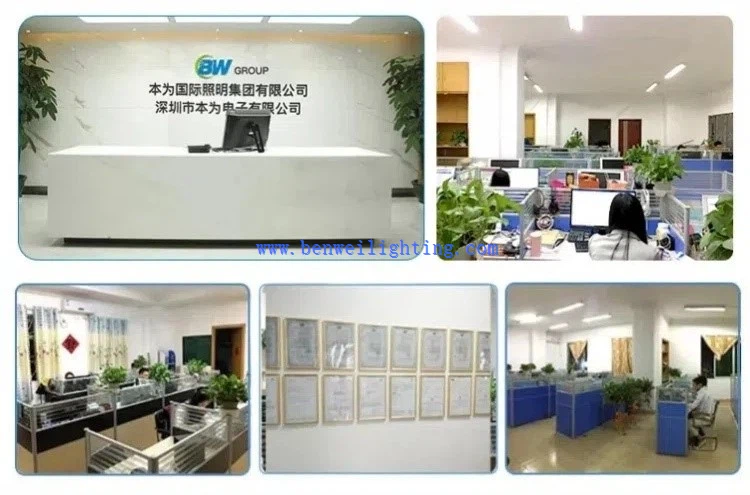
Since we have our own facilities, we are pleased to have complete control over the production process and the quality of our goods. We are committed to giving our clients the finest prices since we are manufacturers rather than just brokers. We encourage buyers to see our samples first since we are certain that the cost and calibre of our items are transparent. Our dedication to excellence and client happiness motivates us to consistently provide superior products.
Our address
3rd Floor, 5th Building, Hebei Industrial Park, Hualian Community, Longhua District, Shenzhen, China





