

Introduction: The Hidden Lifespan Crisis of High-Power LED Corn Bulbs
The Energy Conversion Characteristics of High-Power LED Lighting
Many end users hold a misconception that LED lights generate little heat and have ultra-long lifespans inherently. In fact, LED lighting technology has a strict energy conversion rule: only 20% to 30% of electric energy is converted into visible light energy, while the remaining 70% to 80% is completely converted into thermal energy. For low-power LED products below 10W, the heat generation is low and can be naturally dissipated through air convection without auxiliary heat dissipation structures. However, high-power LED corn bulbs used for industrial and commercial scenarios usually range from 50W to 200W, with continuous and high-load operation throughout the day and night. The instantaneous heat accumulation of the chip is extremely concentrated, forming a high-temperature thermal field in the narrow internal space of the lamp body.
High-power LED corn bulbs adopt a dense arrangement of SMD lamp beads to achieve 360° uniform lighting, which further intensifies local heat superposition. Once the heat cannot be exported and dissipated in time, the internal junction temperature of the LED chip will continue to rise, triggering a series of irreversible aging reactions. This is the core reason why many low-cost LED corn bulbs have a nominal lifespan of 50,000 hours but fail or dim severely in actual use within 1 to 2 years.
The Core Pain Point of Industrial and Commercial Lighting Applications
Industrial warehouses, outdoor courtyards, parking lots, and factory high-bay lighting scenarios have extremely strict requirements for lamp stability and service life. These scenarios feature high installation heights, large lighting ranges, and difficult later maintenance. Frequent lamp damage and light attenuation will not only reduce the overall lighting uniformity and safety of the site but also bring huge hidden costs including repeated product replacement, manual maintenance, and project rework for enterprises and engineering projects. Many purchasers only focus on initial procurement costs and ignore the thermal management capability of the lamp, resulting in a sharp increase in comprehensive operating costs in the later stage. The aluminum heat sink, as the core thermal management component of high-power LED corn bulbs, is the key to solving the lifespan pain point of commercial lighting lamps.

Thermal Decay Mechanism of High-Power LED Corn Bulbs
Junction Temperature Rise and LED Chip Aging
The service life of LED bulbs is essentially determined by the aging rate of chips, phosphors, packaging glue, and driving components, and all aging processes are positively correlated with operating temperature. The core evaluation index of LED working temperature is junction temperature (Tj), which refers to the internal working temperature of the LED chip. The safe working junction temperature of mainstream commercial LED chips is below 75°C. When the heat dissipation is poor and the junction temperature exceeds the safe threshold, the semiconductor material inside the chip will undergo thermal fatigue, the internal circuit resistance will increase, and the photoelectric conversion efficiency will drop rapidly.
Professional IES LM-80-21 industry test data shows that the LED light decay rate will increase exponentially with the rise of junction temperature. When the junction temperature is controlled at 55°C, the lumen depreciation rate of LED chips is less than 2% per 1000 hours; when the junction temperature rises to 85°C, the light decay rate surges to 6%-9% per 1000 hours, and the effective service life of the lamp will be directly shortened by more than half. Long-term high-temperature operation will also cause thermal stress cracking of the chip packaging layer, leading to bead dead lights and local dark areas of the corn bulb.
High Temperature Induces Driver and Component Failure
The lifespan of LED corn bulbs is a "short-board effect" system project. Even if the chip quality is excellent, the aging and failure of the driving system will directly terminate the service life of the entire lamp. The electrolytic capacitor is the most vulnerable component in the LED driver. High-end LED corn bulbs are equipped with Japanese Rubycon capacitors, which have excellent stability at normal temperatures, but electrolytic capacitors are extremely sensitive to high-temperature environments.
According to Arrhenius's Law of thermal aging, the aging speed of electronic components doubles for every 10°C increase in operating temperature. Continuous high-temperature heat accumulation inside the lamp will accelerate the volatilization of electrolyte inside the capacitor, reduce the capacitance value, and cause unstable current output. This will lead to lamp strobing, sudden brightness dimming, and even direct burnout of the driver. The aluminum heat sink can continuously export the internal heat of the lamp, stabilize the working temperature of the driver and capacitor within a safe range, and maximize the service life of core electronic components.
High Temperature Caused Color Shift and Light Quality Degradation
In addition to lifespan loss, poor heat dissipation will also seriously damage the lighting quality of LED corn bulbs. High temperature will accelerate the aging of the phosphor layer on the surface of the LED chip, causing an irreversible color shift phenomenon. The neutral white and cool white light commonly used in industrial lighting will gradually turn yellow or blue, resulting in inconsistent color temperature of on-site lighting, reduced color rendering index, and failure to meet industrial lighting safety standards. High-quality aluminum heat dissipation structure can maintain long-term constant temperature operation, ensure stable color temperature and high color rendering of the lamp throughout the service cycle, and maintain consistent high-quality lighting effects.
Unique Advantages of Aluminum Heat Sink for LED Thermal Management
Superior Thermal Conductivity of Aluminum Materials
The core reason why aluminum alloys become the preferred heat dissipation material for high-power LED corn bulbs lies in their excellent comprehensive thermal conductivity and cost performance. Compared with plastic, iron sheet, and ordinary stainless steel heat dissipation structures used in low-quality lamps, aluminum has a thermal conductivity far higher than other conventional materials. Pure aluminum and high-quality 6063 aluminum alloy used for lamp heat sinks can quickly conduct the concentrated heat generated by LED chips from the heat source surface to the entire heat sink shell, realizing rapid heat transfer.
Plastic shells adopted by inferior corn bulbs are typical thermal insulation materials, which will completely lock the heat inside the lamp body and form a high-temperature closed space, leading to rapid aging of lamps. Stamped iron and ordinary steel materials have low thermal conductivity and slow heat conduction speed, which cannot meet the heat dissipation requirements of high-power long-term operation. Only professional aluminum heat sinks can build an efficient thermal conduction channel for high-power LED corn bulbs.
Fin Structure Design Expands Heat Dissipation Area
The high-performance aluminum heat sink of our LED corn bulb adopts an optimized finned heat dissipation structure design. Different from the smooth single-layer shell of ordinary lamps, the multi-rib fin structure greatly enlarges the heat dissipation surface area per unit volume. The dense and orderly fin gaps form a natural air convection channel. When the lamp works and generates heat, the hot air between the fins rises rapidly, and the cold air supplements automatically, forming a continuous and efficient air convection heat dissipation cycle.
This passive heat dissipation design does not require auxiliary fans, avoiding fan failure, noise interference, and dust accumulation problems. It can stably and continuously dissipate heat in various complex industrial environments, effectively control the chip junction temperature at a low level, and fundamentally inhibit lumen depreciation and component aging. The precision surface treatment of the aluminum heat sink further improves the thermal radiation efficiency, making the overall heat dissipation performance more stable and efficient.
Structural Stability Adapts to Long-Term Industrial Use
In addition to excellent thermal performance, aluminum alloy materials have high structural strength, corrosion resistance, and oxidation resistance. Industrial and outdoor lighting scenarios are often affected by temperature changes, humid air, and dust erosion. Ordinary heat dissipation materials are prone to deformation, rust, and aging after long-term use, which will damage the heat dissipation structure and reduce heat dissipation efficiency. The aluminum heat sink has stable physical and chemical properties, no deformation, no rust, and no aging after long-term operation, ensuring that the heat dissipation efficiency remains unchanged throughout the lamp's service life. It perfectly matches the long-term and high-stability use requirements of industrial and commercial lighting projects.
Quantitative Analysis: How Aluminum Heat Sinks Extend LED Corn Bulb Lifespan
Lowers Junction Temperature to Inhibit Lumen Depreciation
Through professional thermal simulation and actual sample testing, the high-efficiency aluminum heat sink can control the long-term operating junction temperature of high-power LED corn bulbs below 60°C, far lower than the industry safety threshold of 75°C and the high-temperature operating temperature of inferior lamps above 85°C. According to professional test data, when the junction temperature is stably controlled below 60°C, the lumen depreciation rate of the LED chip is controlled within 1.5% per 1000 hours. After 50,000 hours of operation, the luminous flux retention rate of the lamp is still higher than 85%, which meets the industry's L70 lifespan standard perfectly.
In contrast, LED corn bulbs without high-quality aluminum heat sinks have a junction temperature as high as 80-90°C during operation. The lumen depreciation rate exceeds 8% per 1000 hours, and the luminous flux drops below 70% after less than 20,000 hours of use, resulting in the lamp being dim and unusable, and the actual service life is less than half of the rated lifespan. The aluminum heat sink realizes long-term stable light output of the lamp by efficiently reducing the operating temperature.
Protects Core Components to Reduce Failure Rate
The stable low-temperature working environment built by the aluminum heat sink can effectively protect the LED chip, Rubycon capacitor driver, and welding circuit. It avoids component aging and failure caused by high-temperature thermal shock, and reduces the failure rate of open circuit, short circuit, and dead beads of the lamp. Market after-sales data shows that the failure rate of high-power LED corn bulbs equipped with standard aluminum heat sinks is lower than 0.5% within 5 years, while the failure rate of products with inferior heat dissipation structures is as high as 15%-20% within 2 years.
For engineering projects and bulk purchasers, low failure rate means zero repeated replacement costs, zero secondary maintenance labor costs, and stable and continuous lighting operation of the site, which greatly improves the economic benefits of the project.
Improves Overall Environmental Adaptability
Combined with the IP64 dust-proof and splash-proof grade of the product, the high-quality aluminum heat sink forms a perfect environmental adaptation system. The stable heat dissipation structure ensures that the lamp can still maintain efficient heat dissipation and stable operation in high-temperature workshops, humid outdoor covered environments, and dusty warehouse environments. It avoids lamp failure caused by heat accumulation due to environmental temperature rise, and expands the applicable scene range and stable service life of the product.
Purchasing Guide: Identify High-Quality Aluminum Heat Sink LED Corn Bulbs
Material and Process Identification Standards
Excellent heat dissipation performance depends on high-quality materials and precision processing technology. Professional high-power LED corn bulbs adopt high-purity 6063 aluminum alloy heat sinks, which have higher thermal conductivity, better ductility, and more stable oxidation resistance than ordinary recycled aluminum materials. The surface is treated with anodic oxidation and anti-corrosion treatment, which not only improves the thermal radiation efficiency but also prevents oxidation and corrosion in complex environments, ensuring long-term stable heat dissipation performance.
Inferior products use recycled aluminum or thin stamped aluminum with uneven material density and low thermal conductivity. The heat dissipation fin structure is rough, with burrs and uneven gaps, which cannot form effective air convection, resulting in poor heat dissipation effect and seriously affecting the service life of the lamp.
Structural Design Selection Criteria
A qualified aluminum heat sink must have a reasonable fin spacing, sufficient heat dissipation area, and integrated forming structure. The integrated die-casting and extrusion molding process can realize seamless connection between the heat sink and the lamp body, avoid heat loss caused by gaps, and ensure efficient heat conduction. The fin spacing is scientifically designed according to the power of the corn bulb, which not only ensures sufficient air convection space but also avoids excessive dust accumulation affecting heat dissipation.
Our LED corn bulb adopts an integrated aluminum fin heat dissipation structure with dense and uniform fins and a large heat dissipation area, which perfectly matches the heat generation of high-power chips, realizing balanced and efficient heat dissipation in all directions, and providing a solid guarantee for the ultra-long service life of 50,000 hours.
Comprehensive Cost Performance Judgment
From the perspective of full life cycle cost, LED corn bulbs equipped with high-quality aluminum heat sinks have higher initial procurement costs than inferior products, but they have absolute advantages in long-term comprehensive costs. Ultra-low light decay, ultra-long service life, and ultra-low failure rate can save a lot of replacement and maintenance costs for users. For industrial lighting projects with large usage and long service cycle, high-quality aluminum heat dissipation LED corn bulbs are the most cost-effective long-term solution, avoiding project losses caused by frequent lamp failure and poor lighting effect.
Conclusion
The aluminum heat sink is not a dispensable accessory of high-power LED corn bulbs, but the core core component that determines the actual service life, light stability, and long-term cost performance of the lamp. The heat sensitivity of LED chips and electronic components determines that thermal management is the key bottleneck restricting the lifespan of high-power LED corn bulbs. High-quality aluminum alloy materials, optimized fin heat dissipation structure, and professional integrated process design can efficiently export internal heat, stabilize chip junction temperature, inhibit lumen depreciation and component aging, and extend the actual service life of the lamp to the rated 50,000 hours or even longer.
For commercial lighting purchasers and engineering contractors, when selecting high-power LED corn bulbs, they should no longer only focus on superficial parameters such as power and brightness, but take the aluminum heat sink quality and heat dissipation design as the core purchasing evaluation standard. Choosing LED corn bulbs with high-performance aluminum heat sinks can realize stable, efficient, and long-term lighting operation, minimize later maintenance costs, and maximize the return on investment of lighting renovation projects.
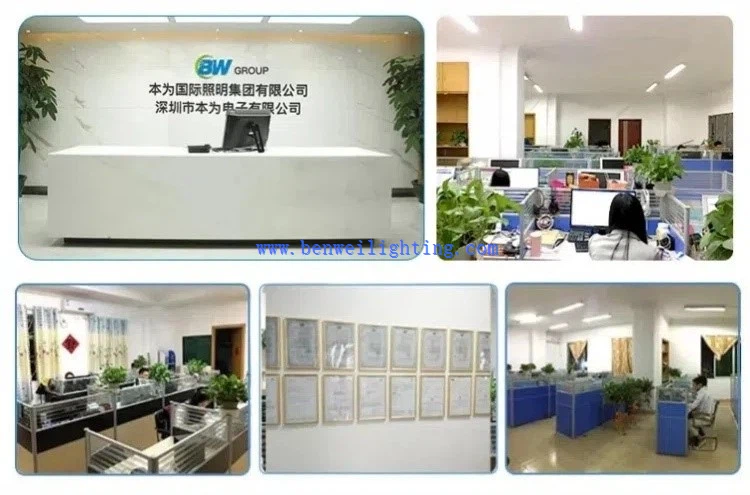
How To Cooperate With Us?
We are happy to have total control over the manufacturing process and the calibre of our products since we have our own facilities. Since we are producers rather than just brokers, we are dedicated to providing our customers with the best pricing. Since we are certain that the price and quality of our products are clear, we invite customers to see our samples first. Our commitment to quality and customer satisfaction drives us to continuously provide top-notch goods.
Our address
3rd Floor, 5th Building, Hebei Industrial Park, Hualian Community, Longhua District, Shenzhen, China





